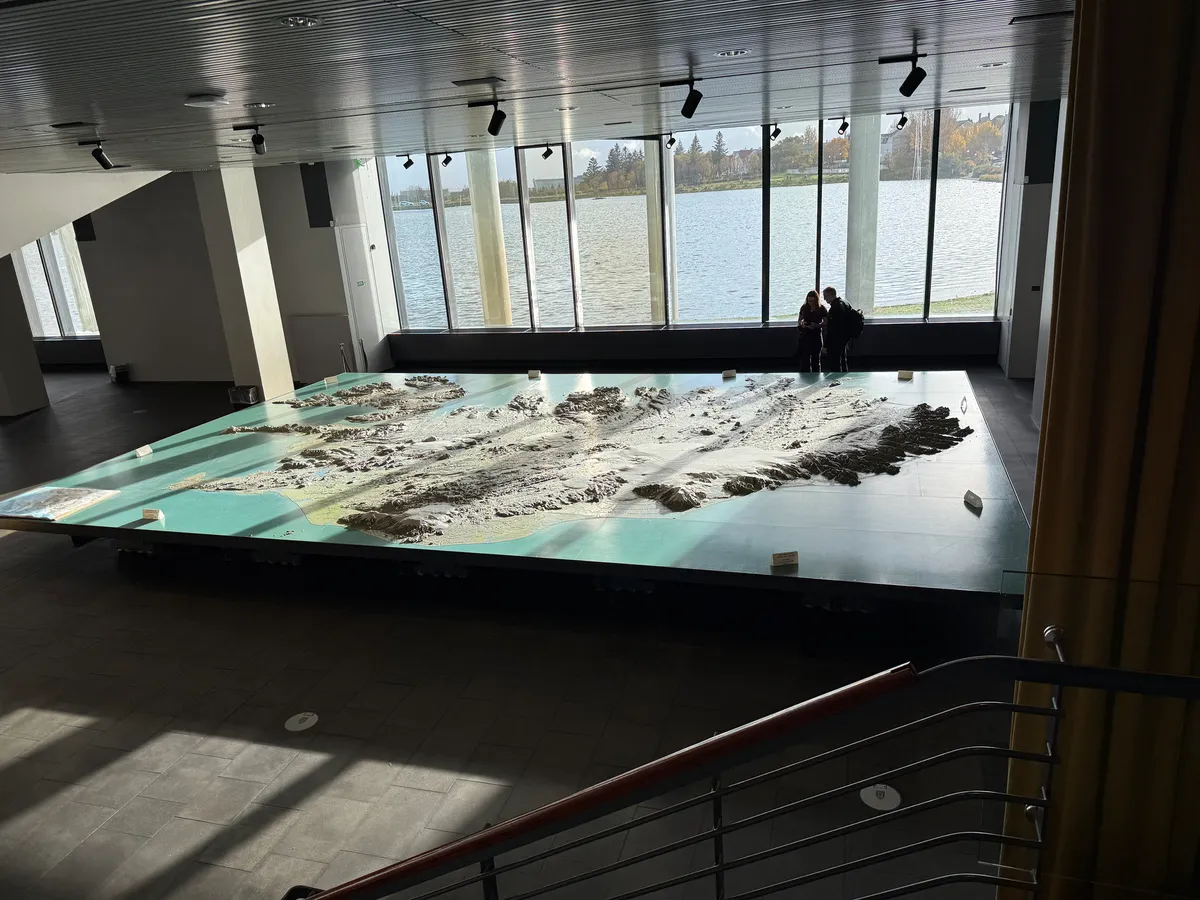
So, 2,315 km around Iceland in 9 days. The country is simply unbelievable in the variety of its nature: geysers, volcanoes, waterfalls, glaciers, scenic canyons, warm lakes you can swim in all year round despite the subarctic climate, oddly shaped cliffs, black sand beaches, lava fields overgrown with moss in a dozen different ways, plains full of sheep, whales and seals in the wild. All of it fits on an island half the size of Belarus.
On Foot from Europe to America
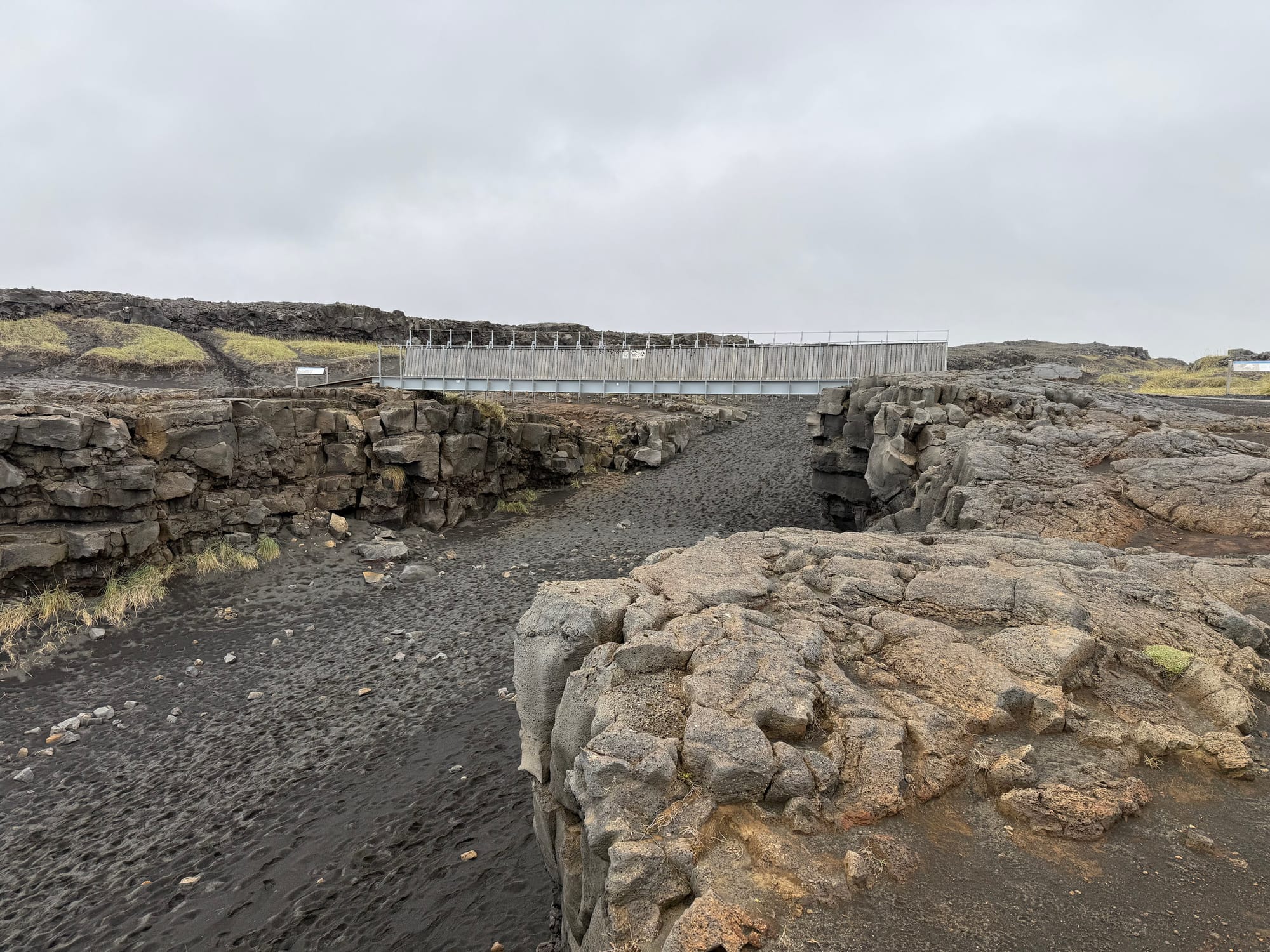
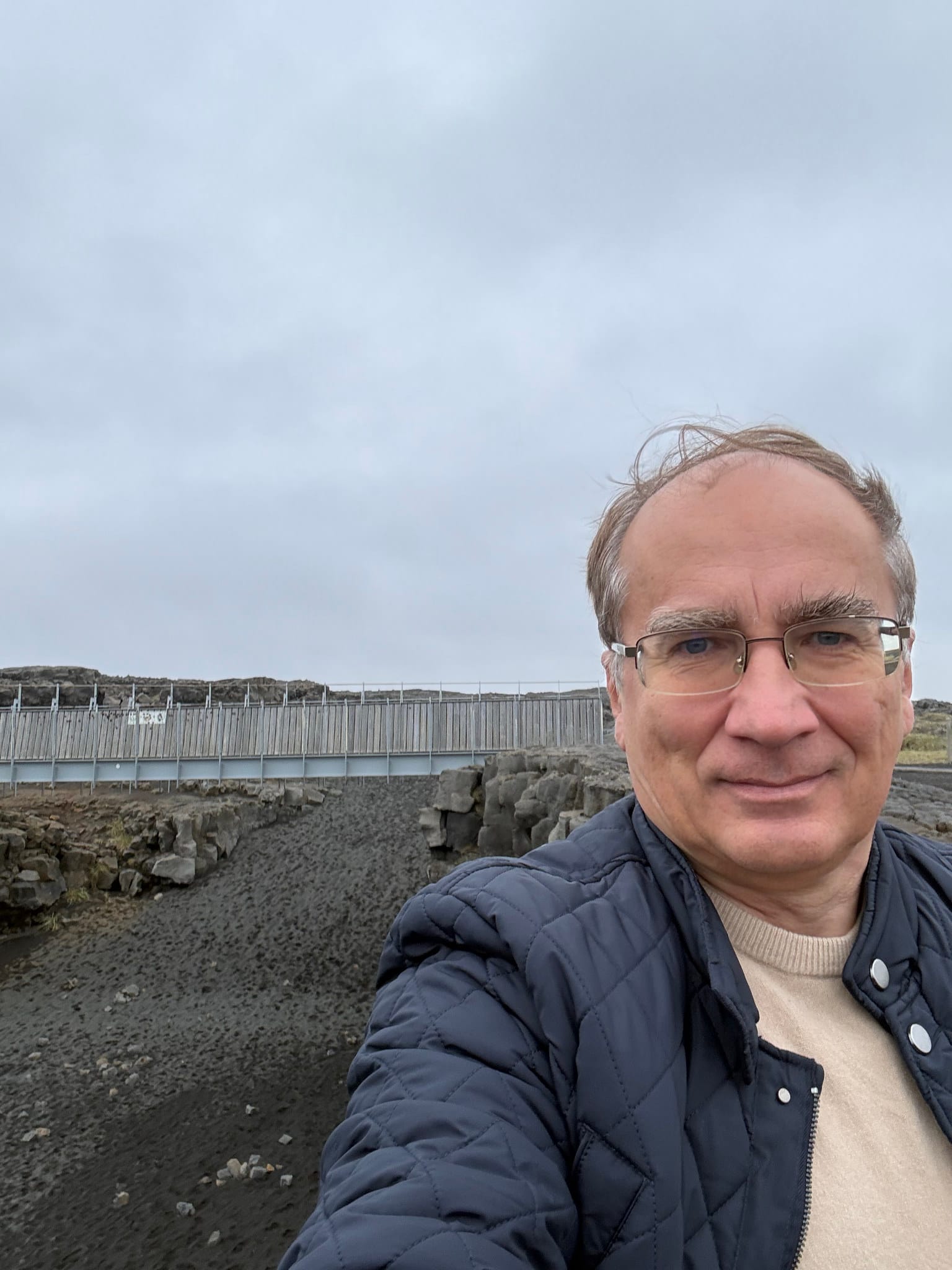
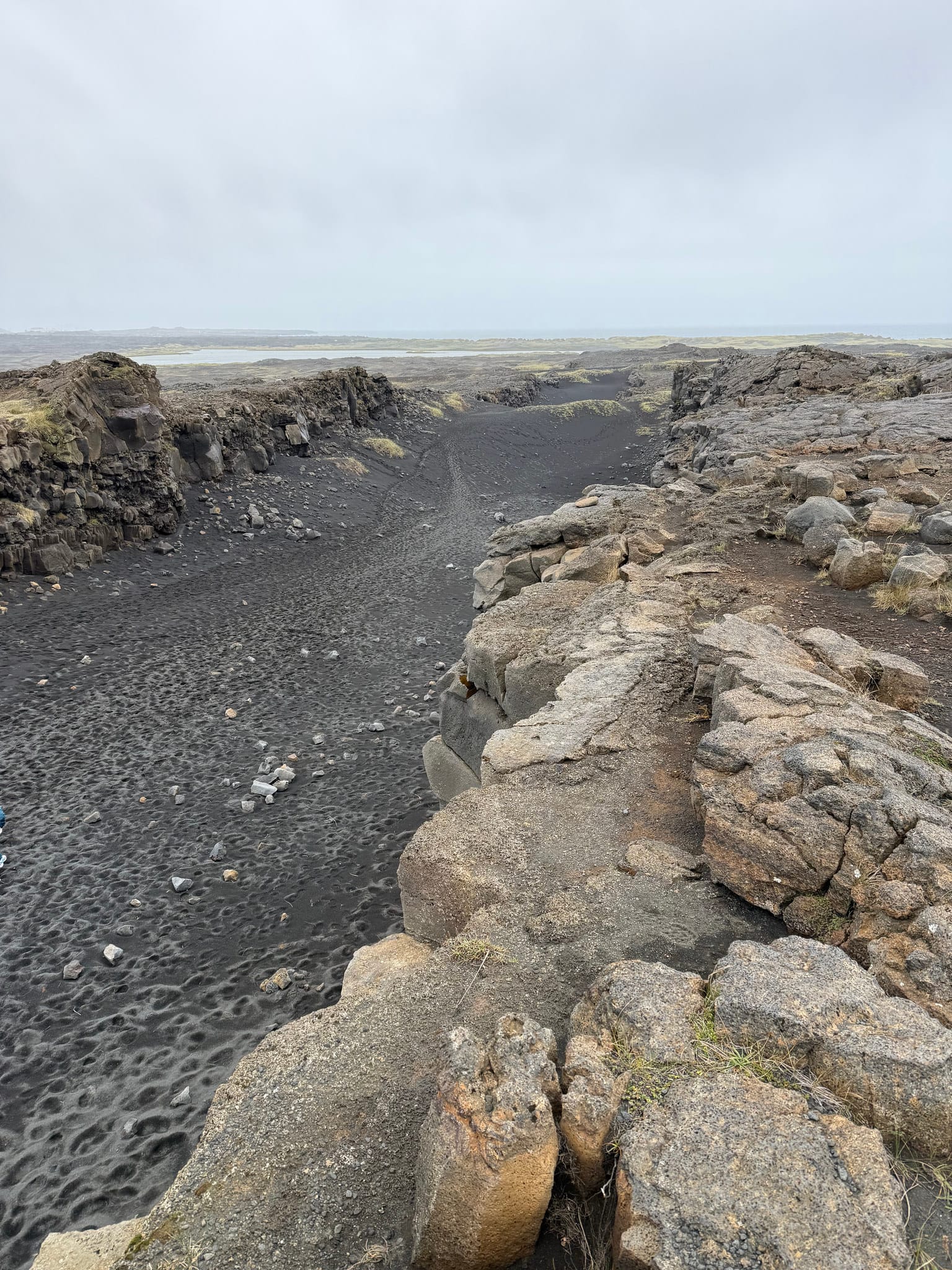
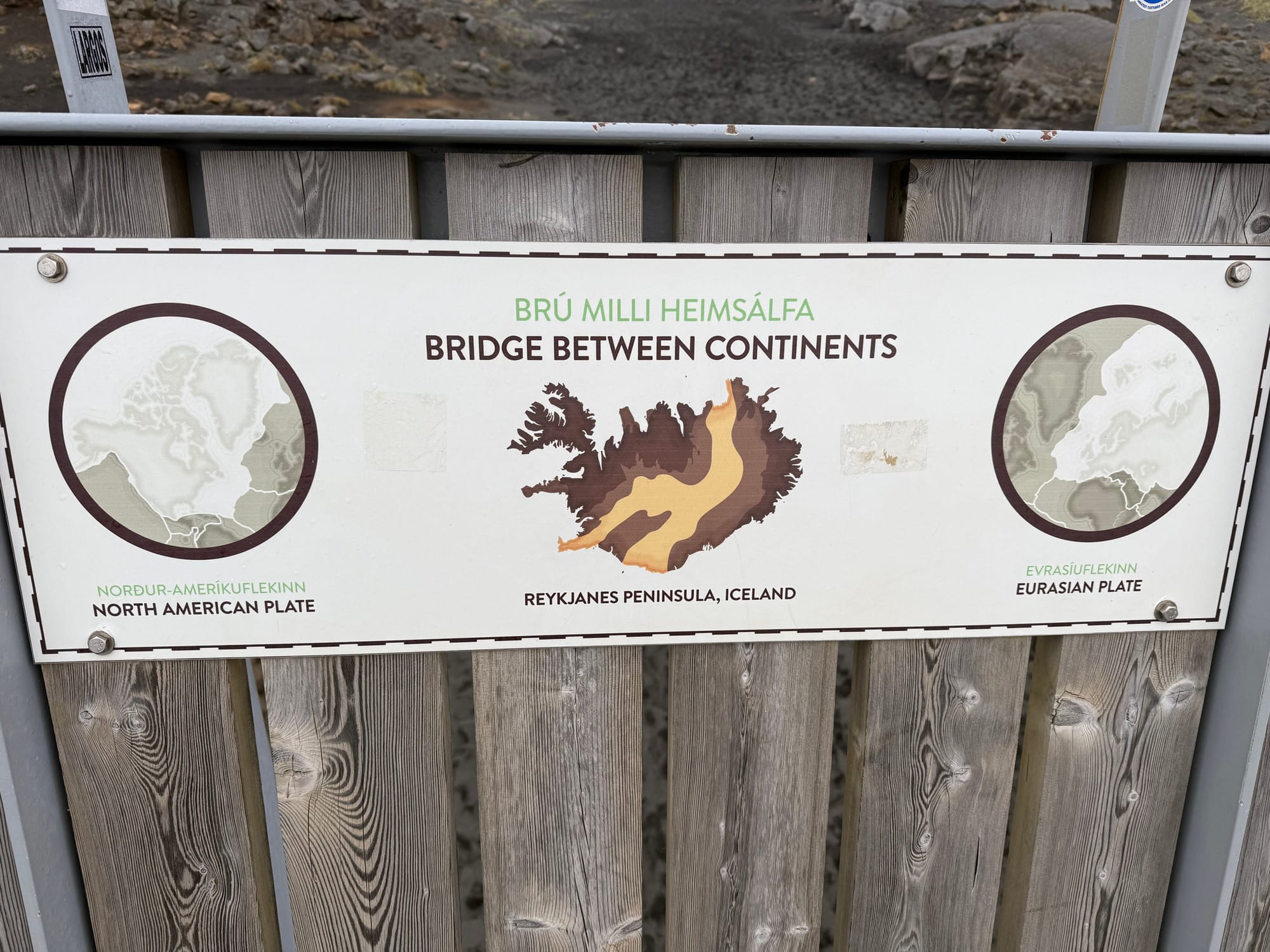
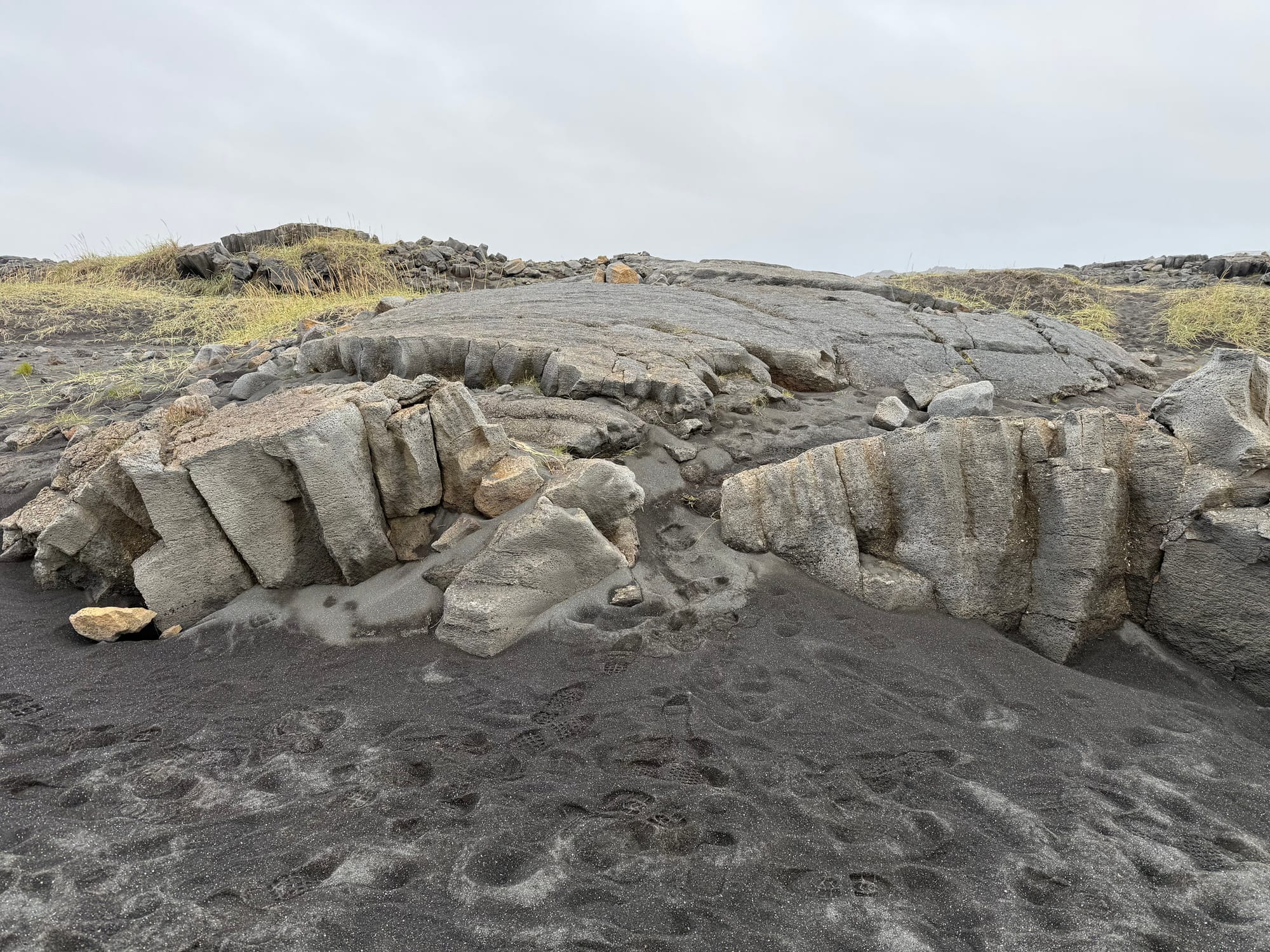
I never thought you could walk from Europe to America on dry land! To be precise, you cross from the Eurasian to the North American tectonic plate, and the two are drifting apart by 2–3 centimetres a year. On the Reykjanes peninsula a bridge spans the gap, and you can walk over it or even under it: Europe on the right, America on the left. Iceland is the only place in the world where this is possible.
Boiling Water Underfoot
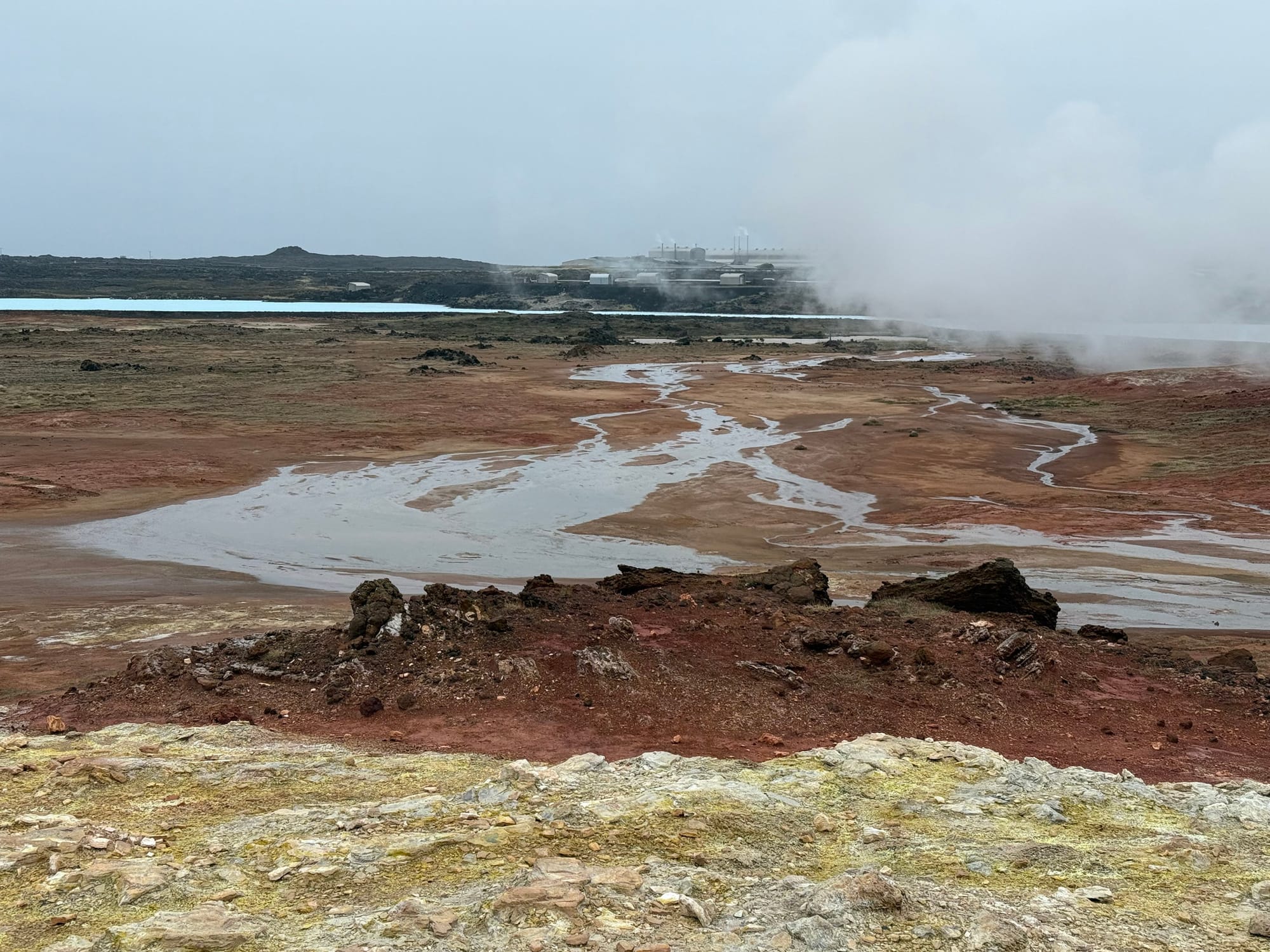
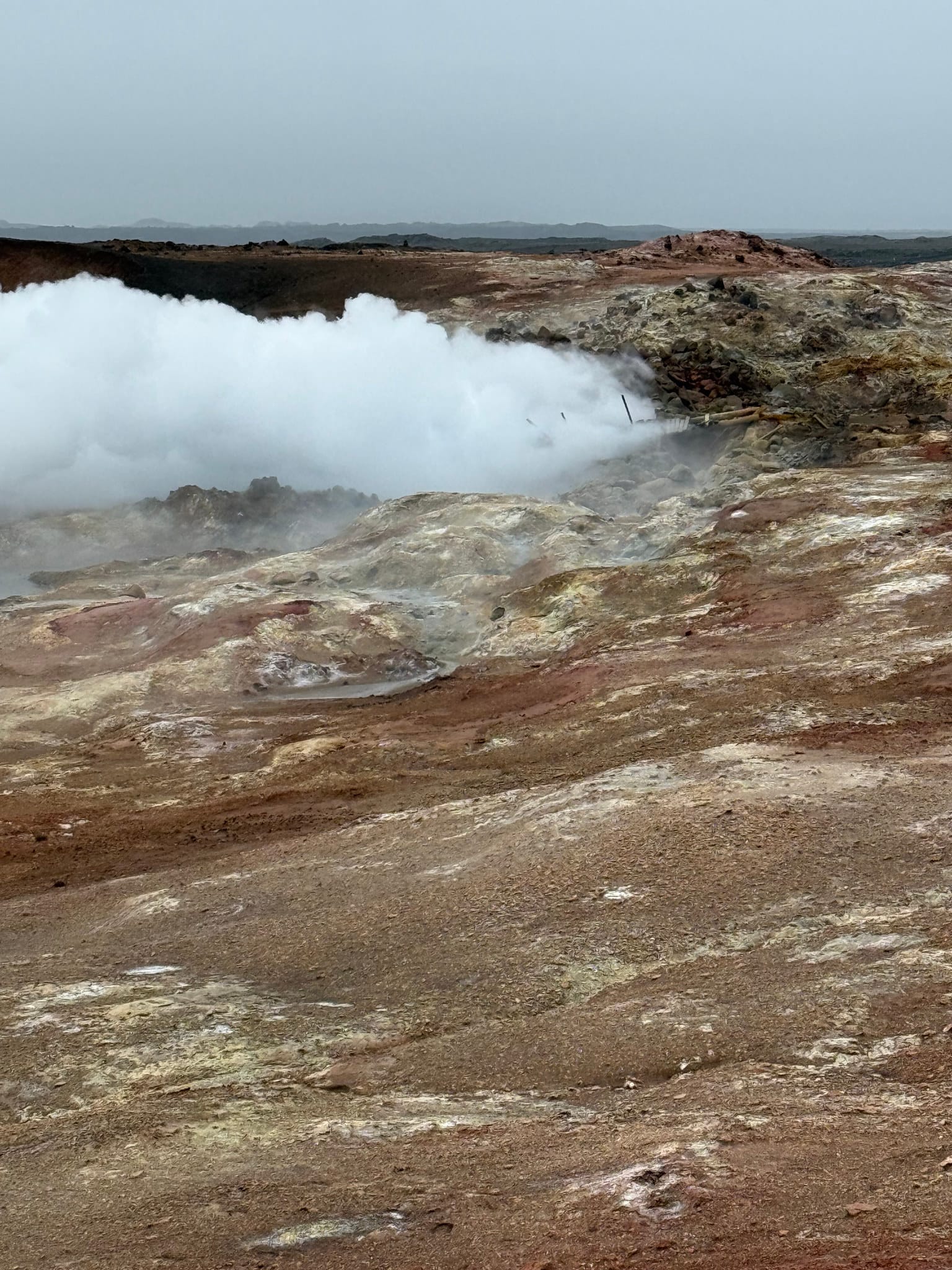
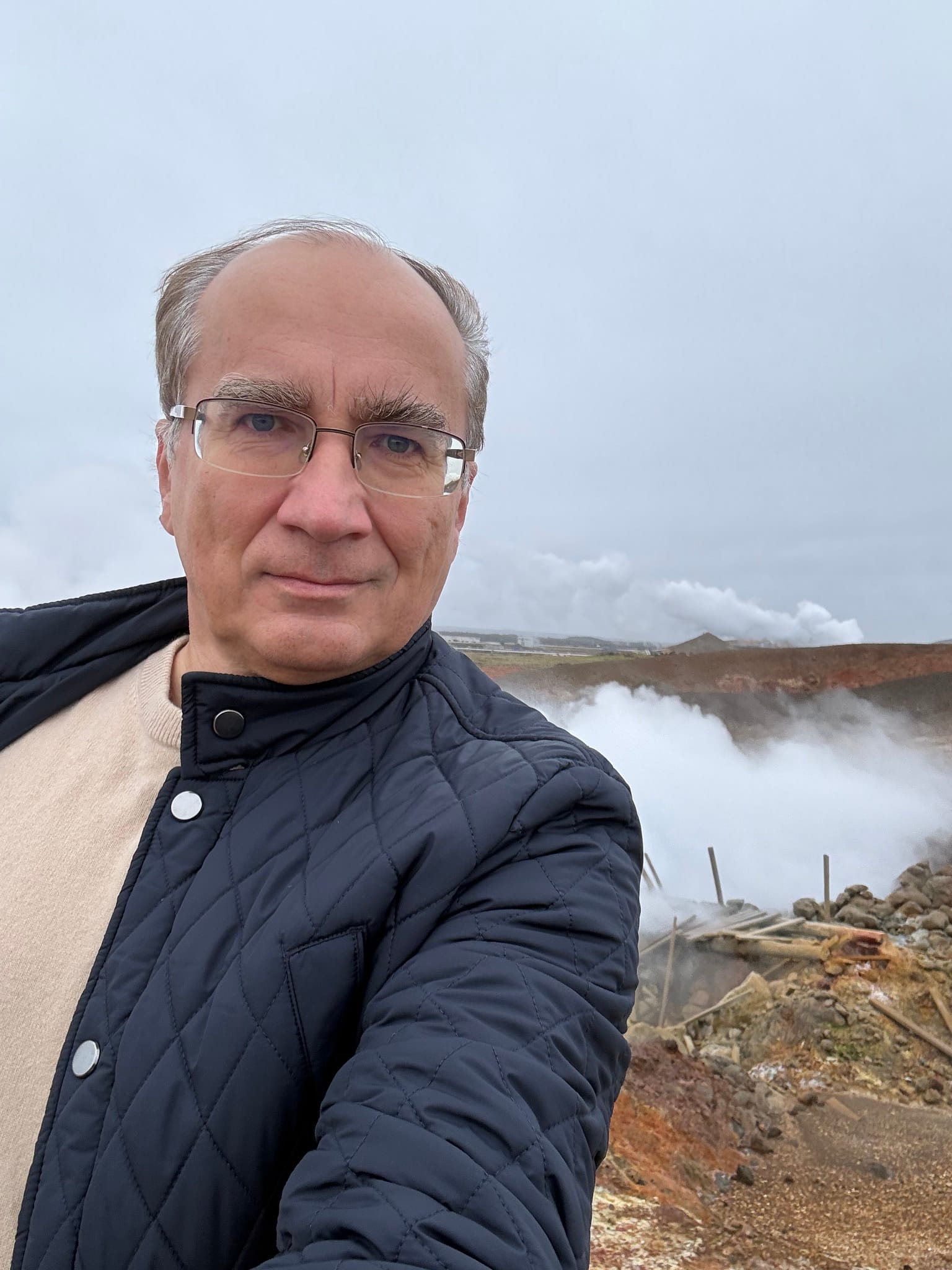
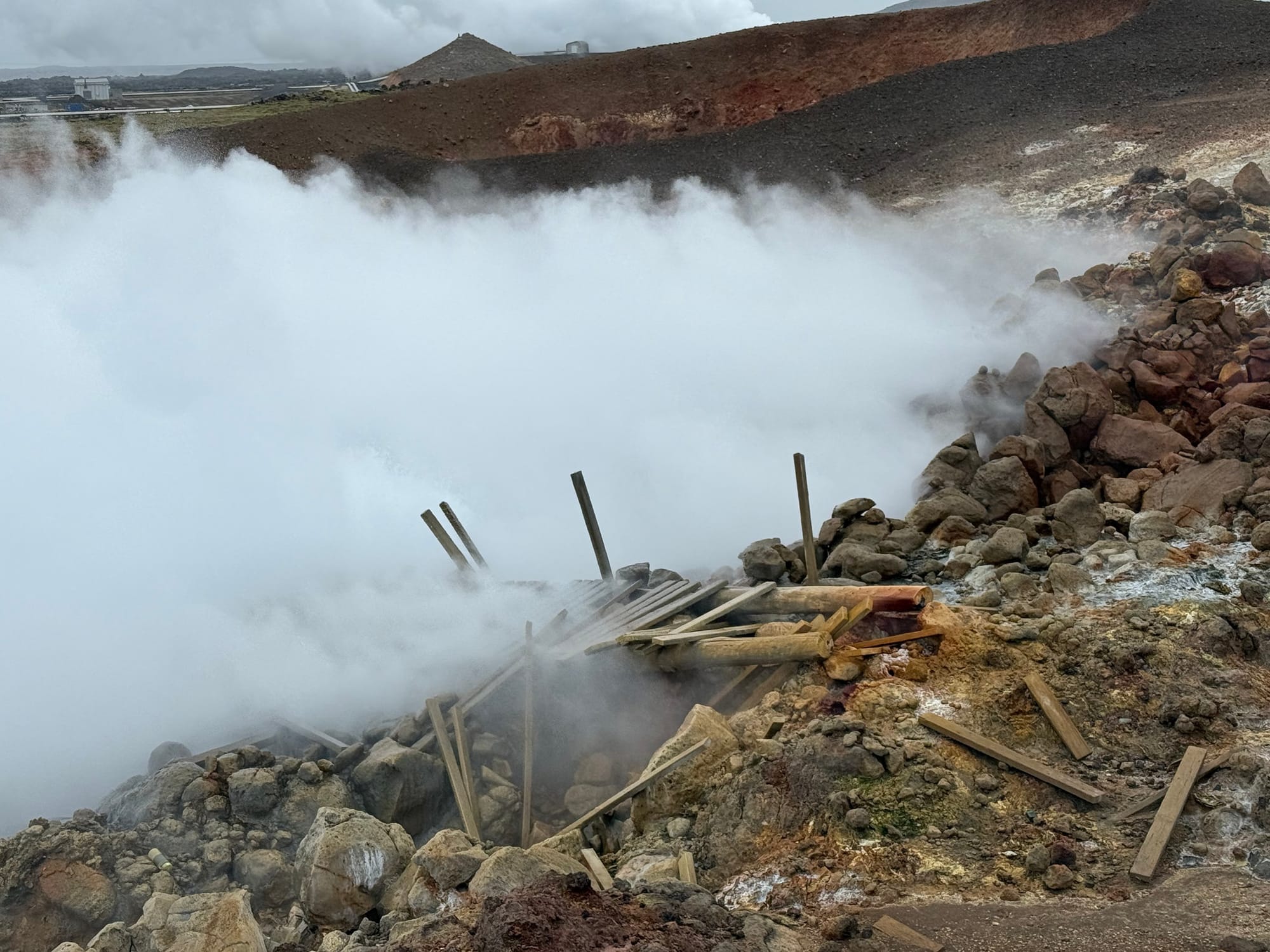
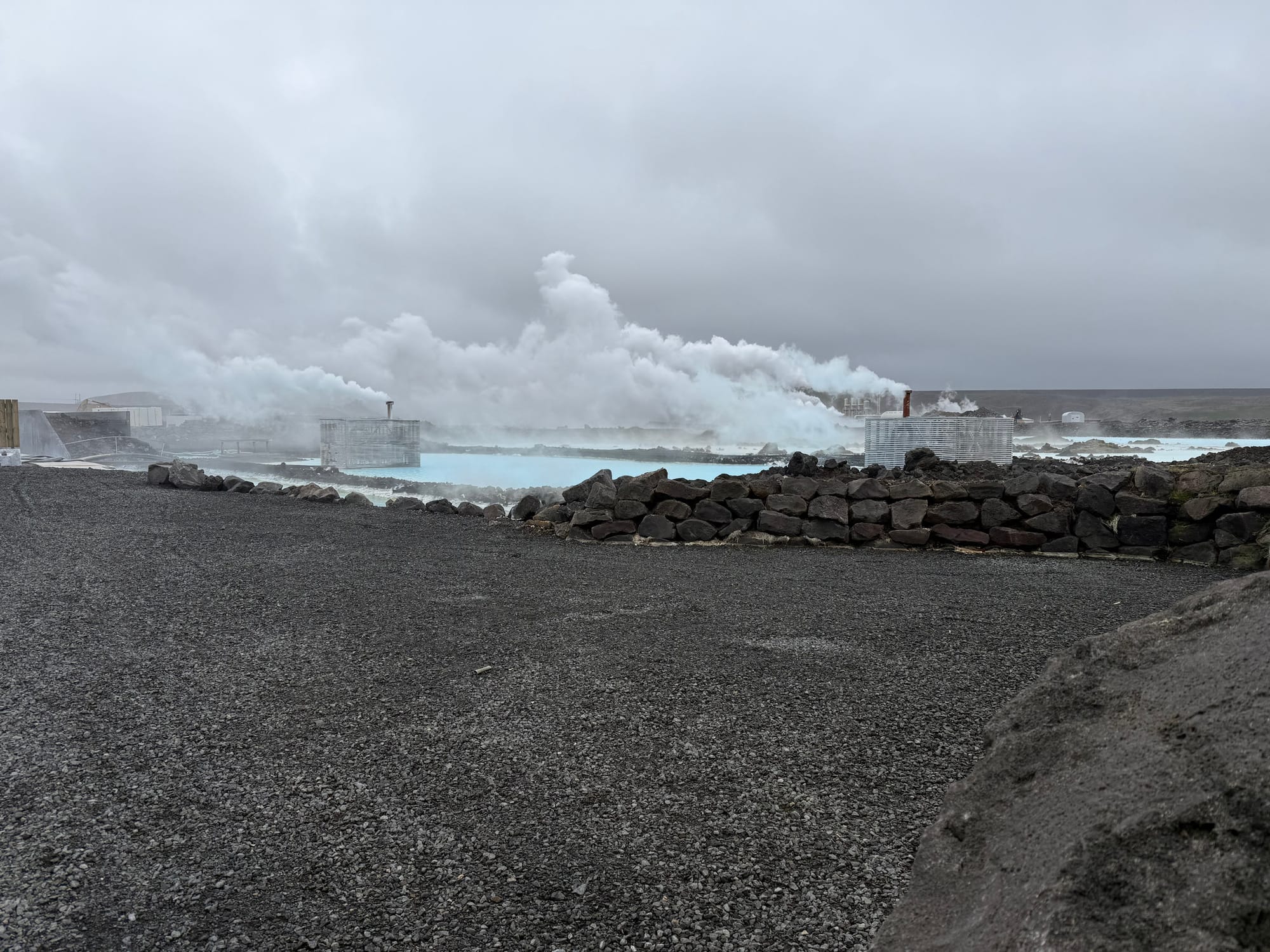
The Gunnuhver geothermal area sets the Icelandic norm: boiling water comes straight out of the ground, and you see the steam long before you see the car park.
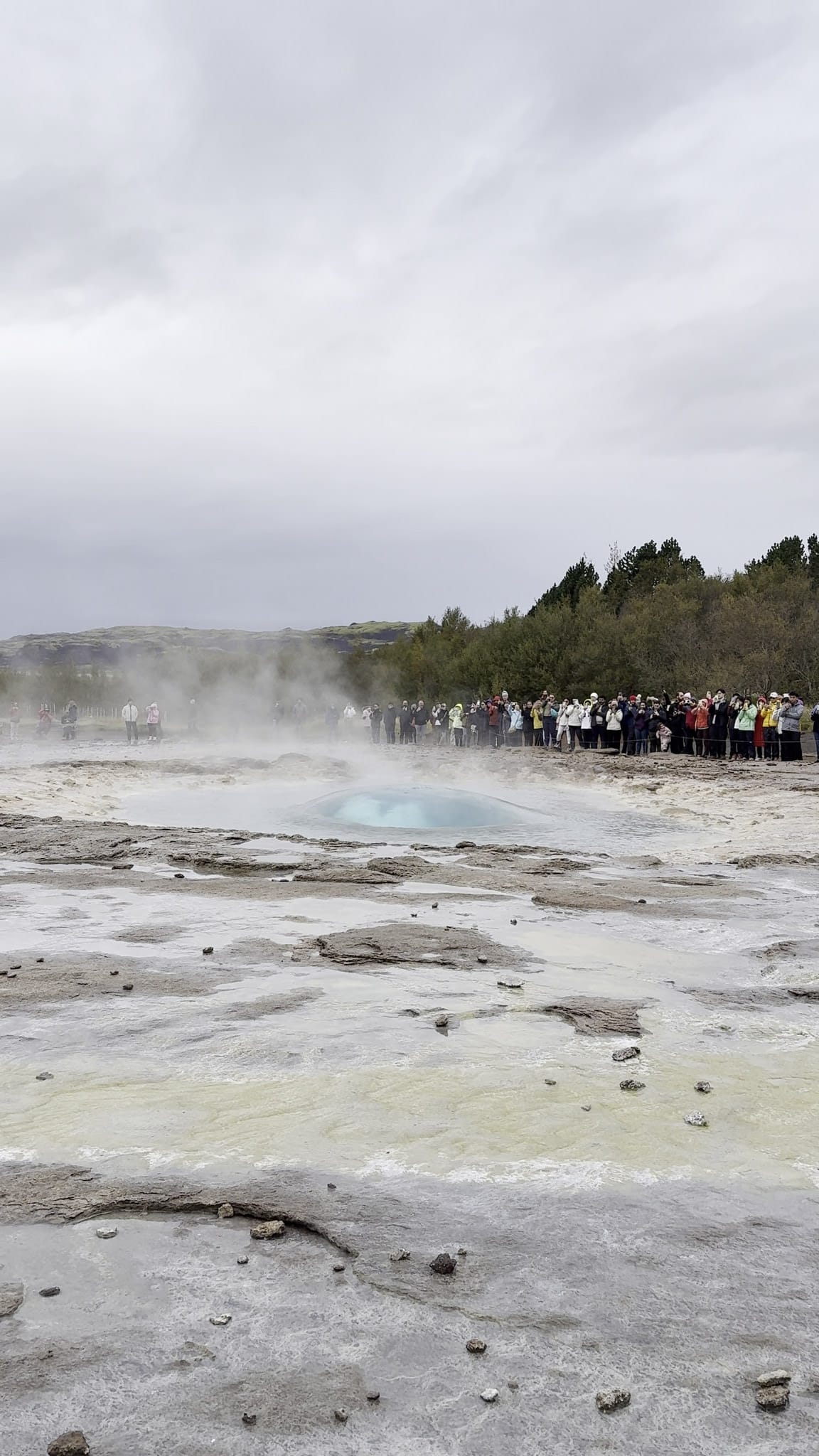
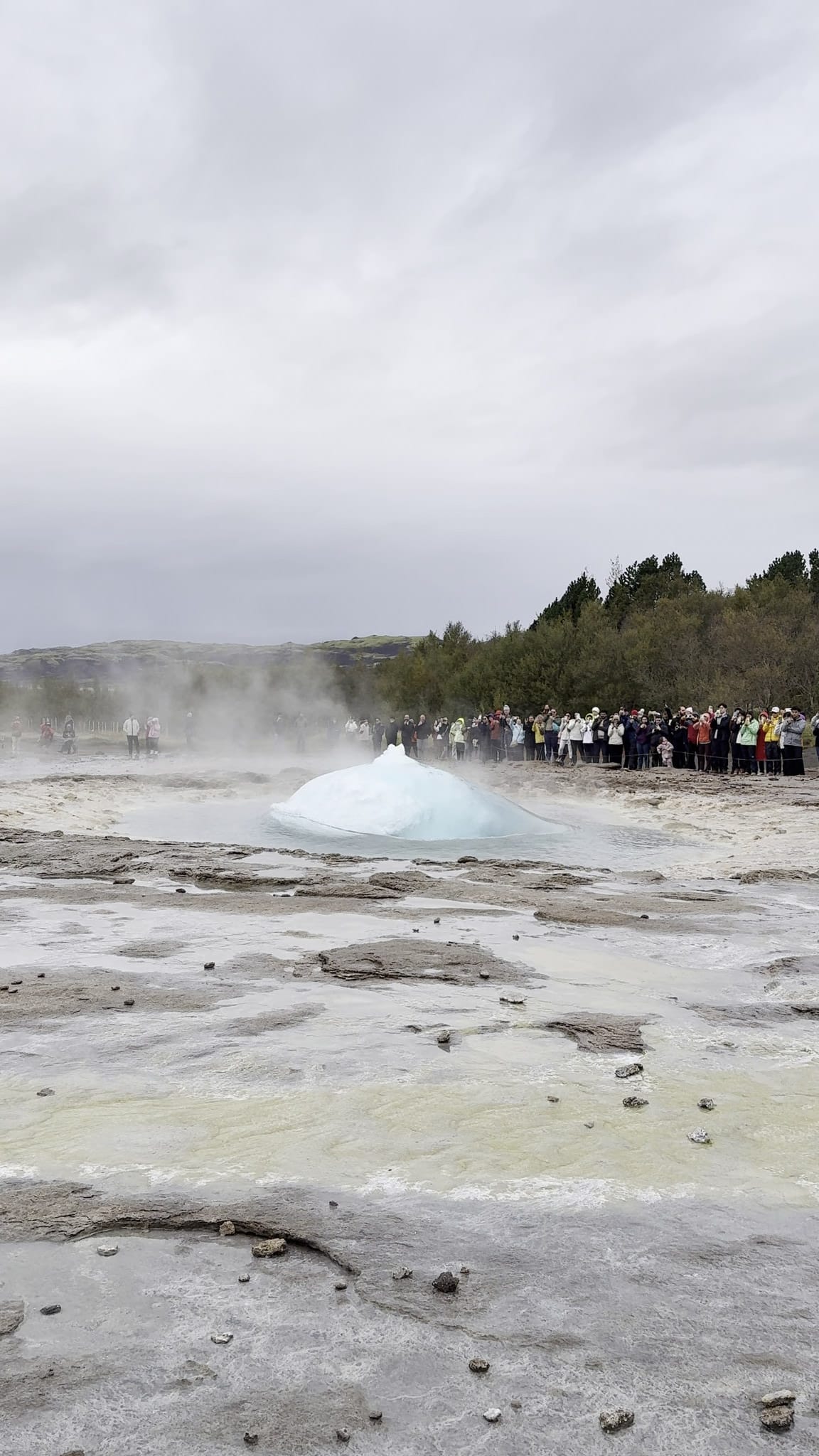
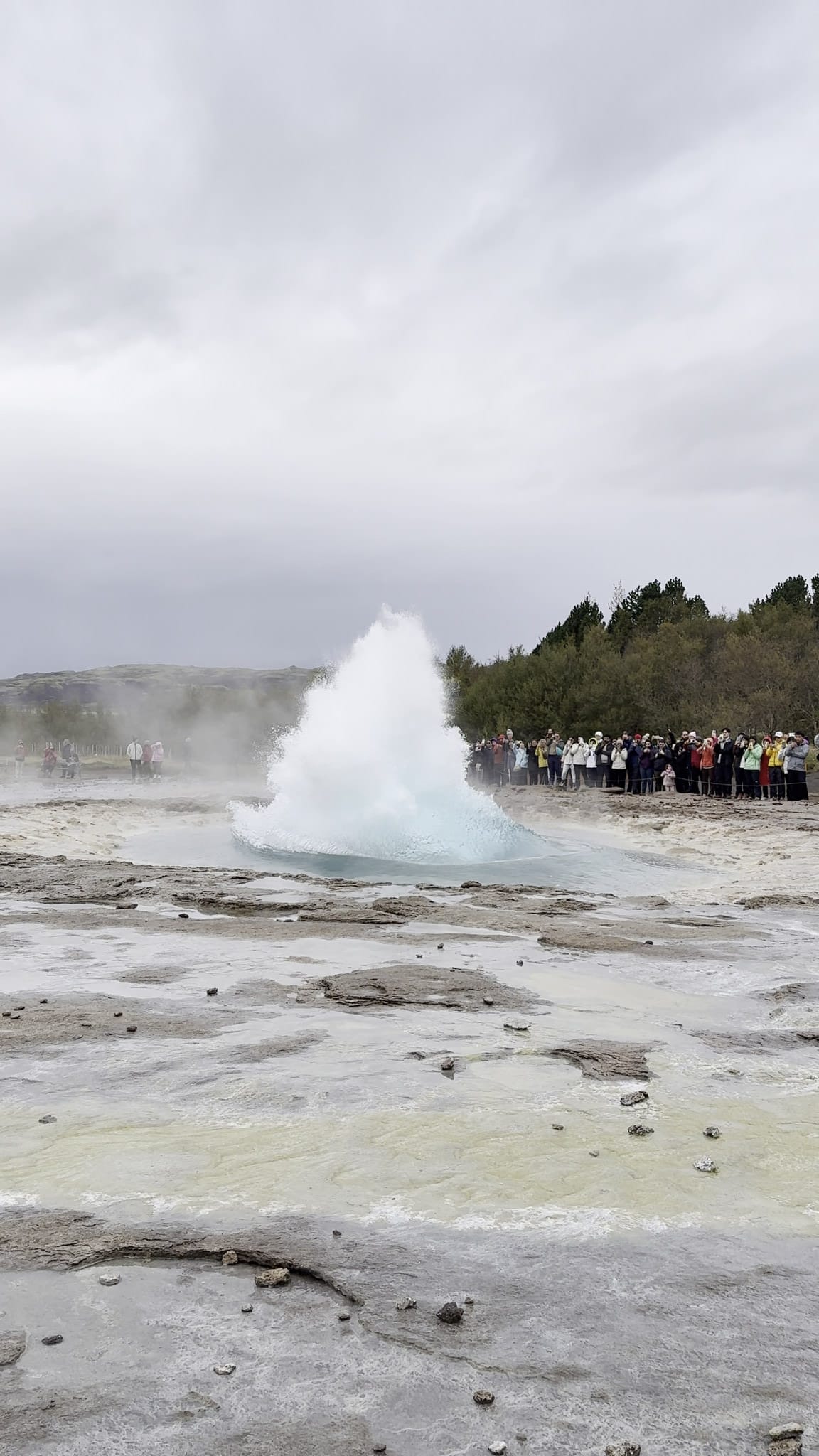
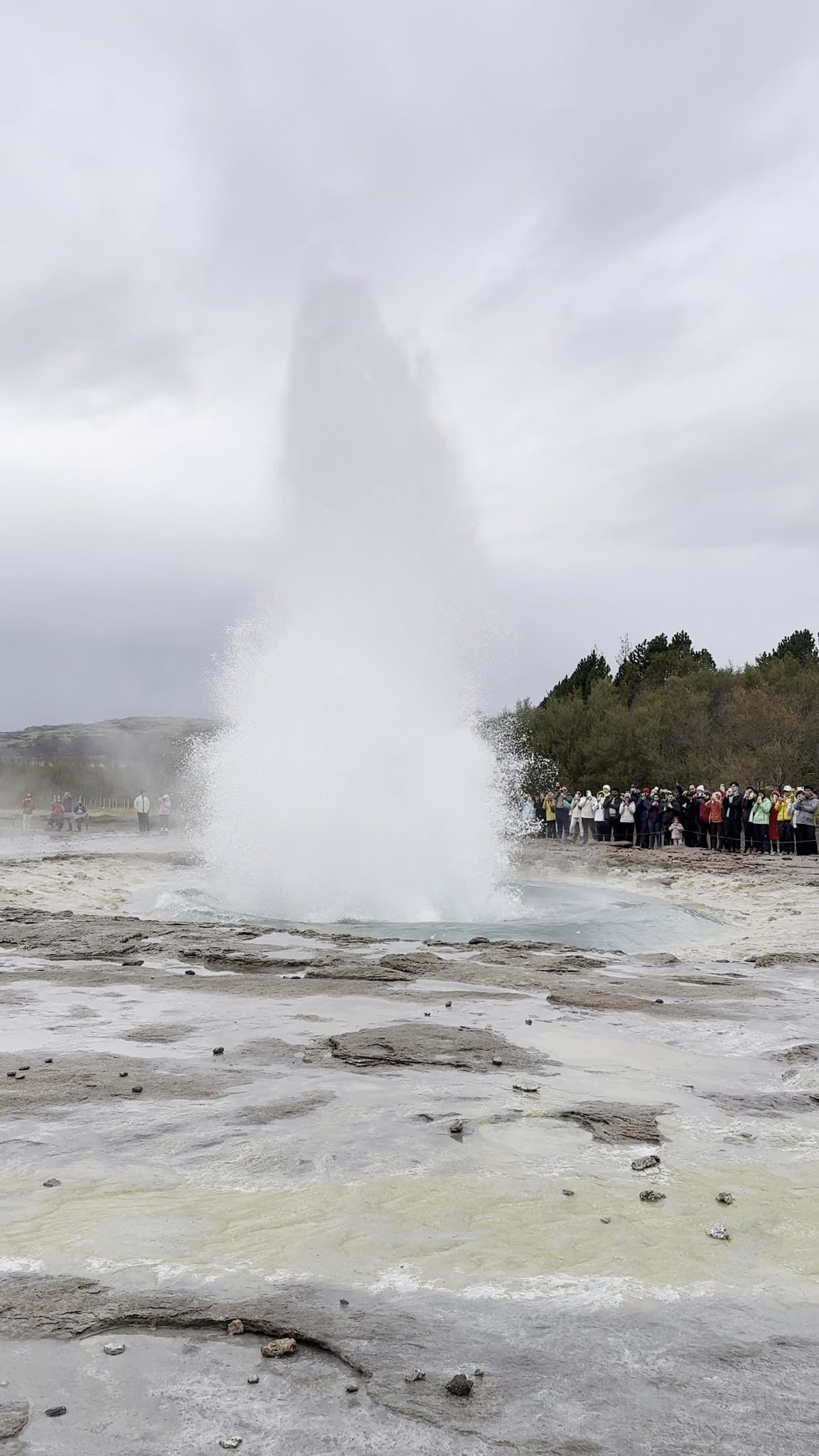
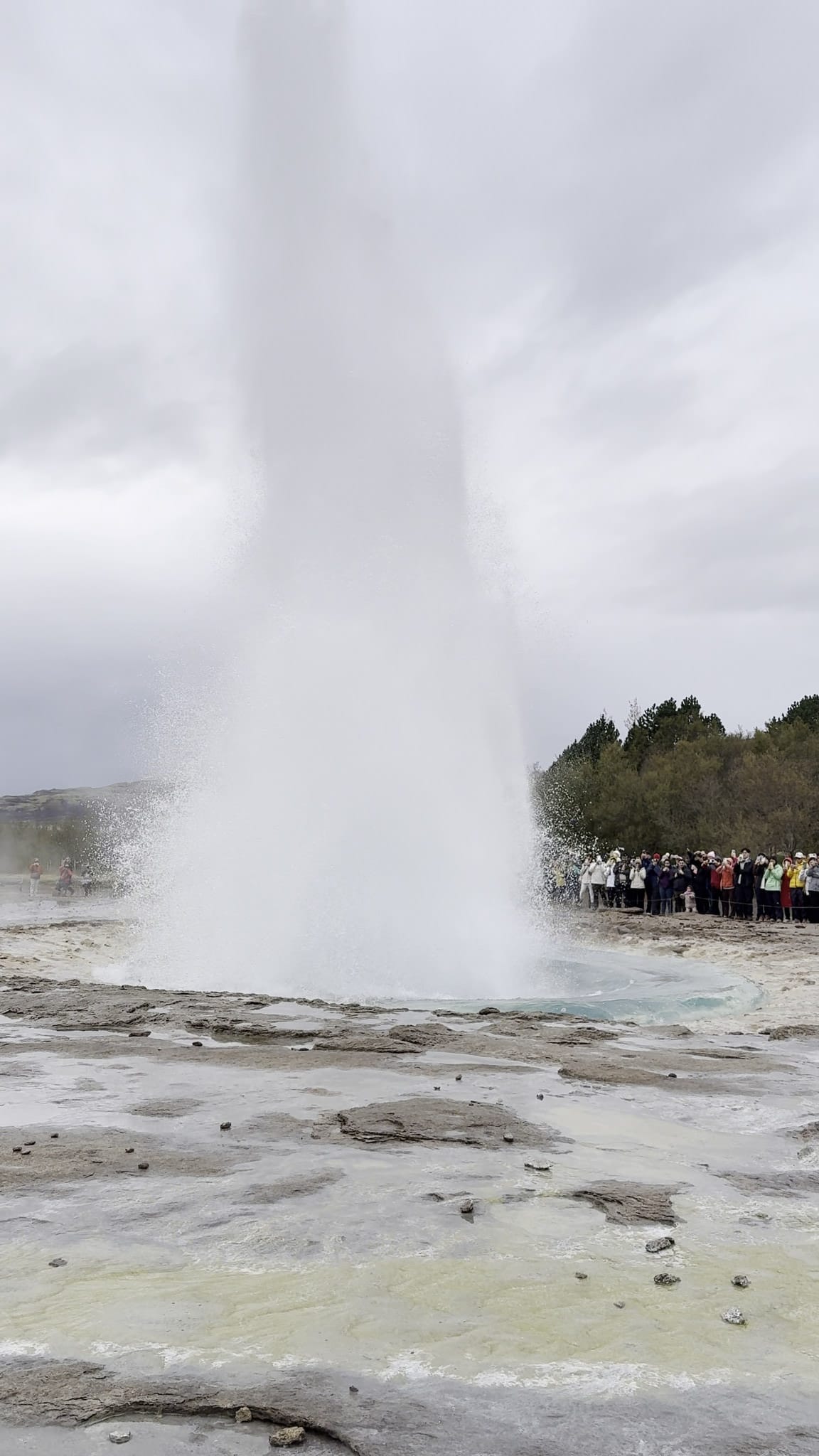
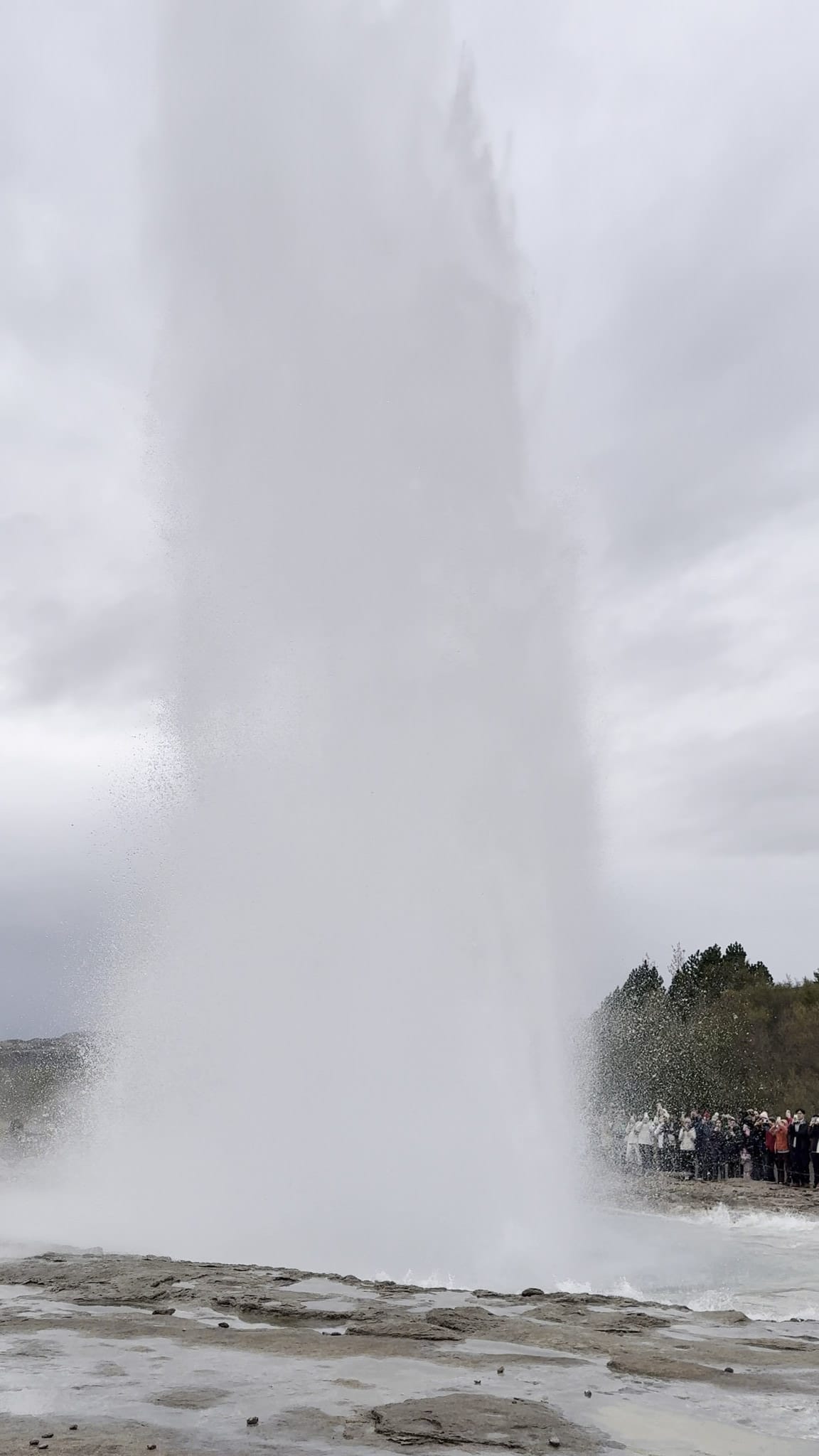
The Strokkur geyser fires a column every few minutes, and the eruption itself lasts about twelve seconds. For those twelve seconds, crossing thousands of kilometres feels entirely reasonable!
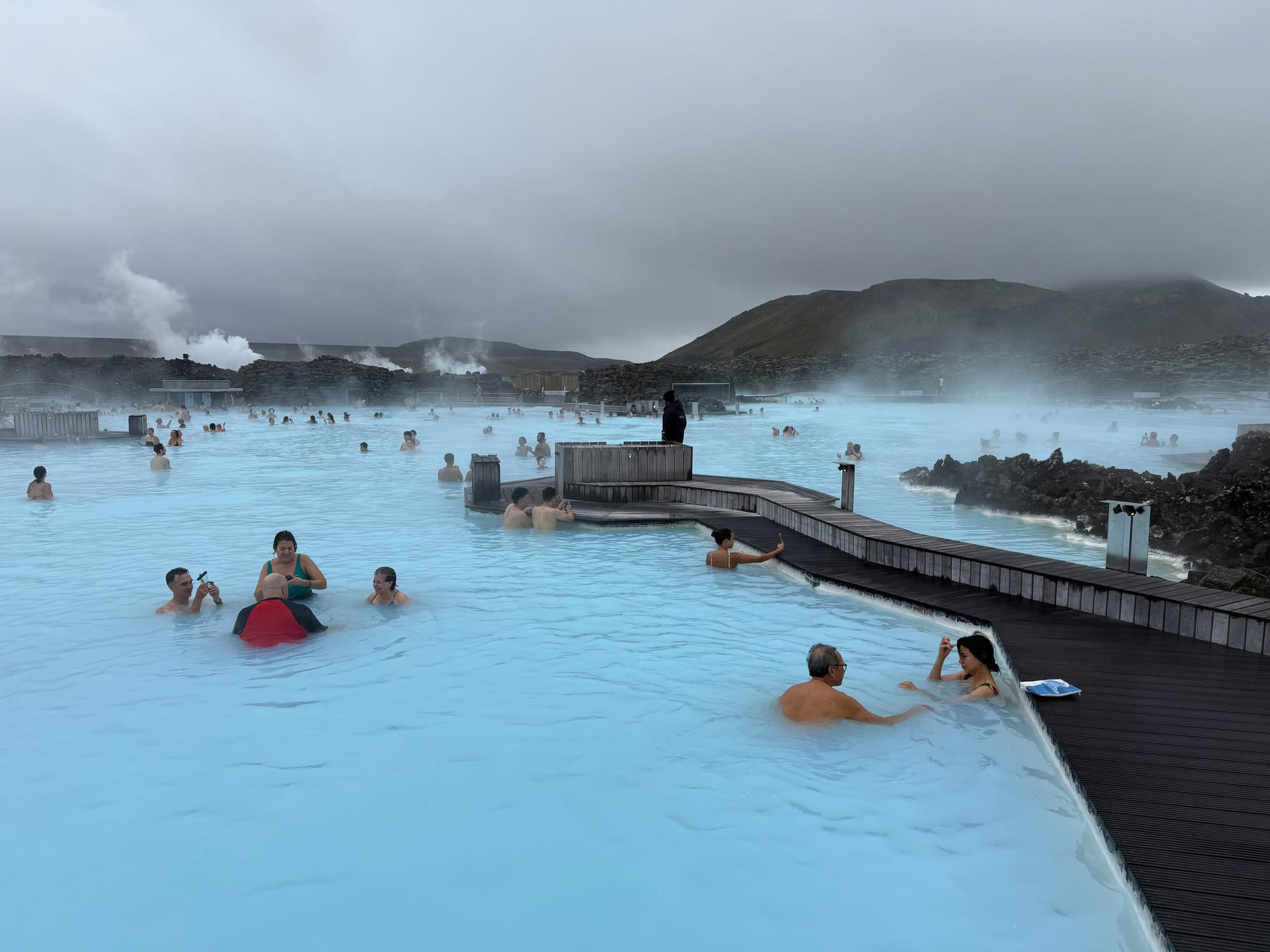
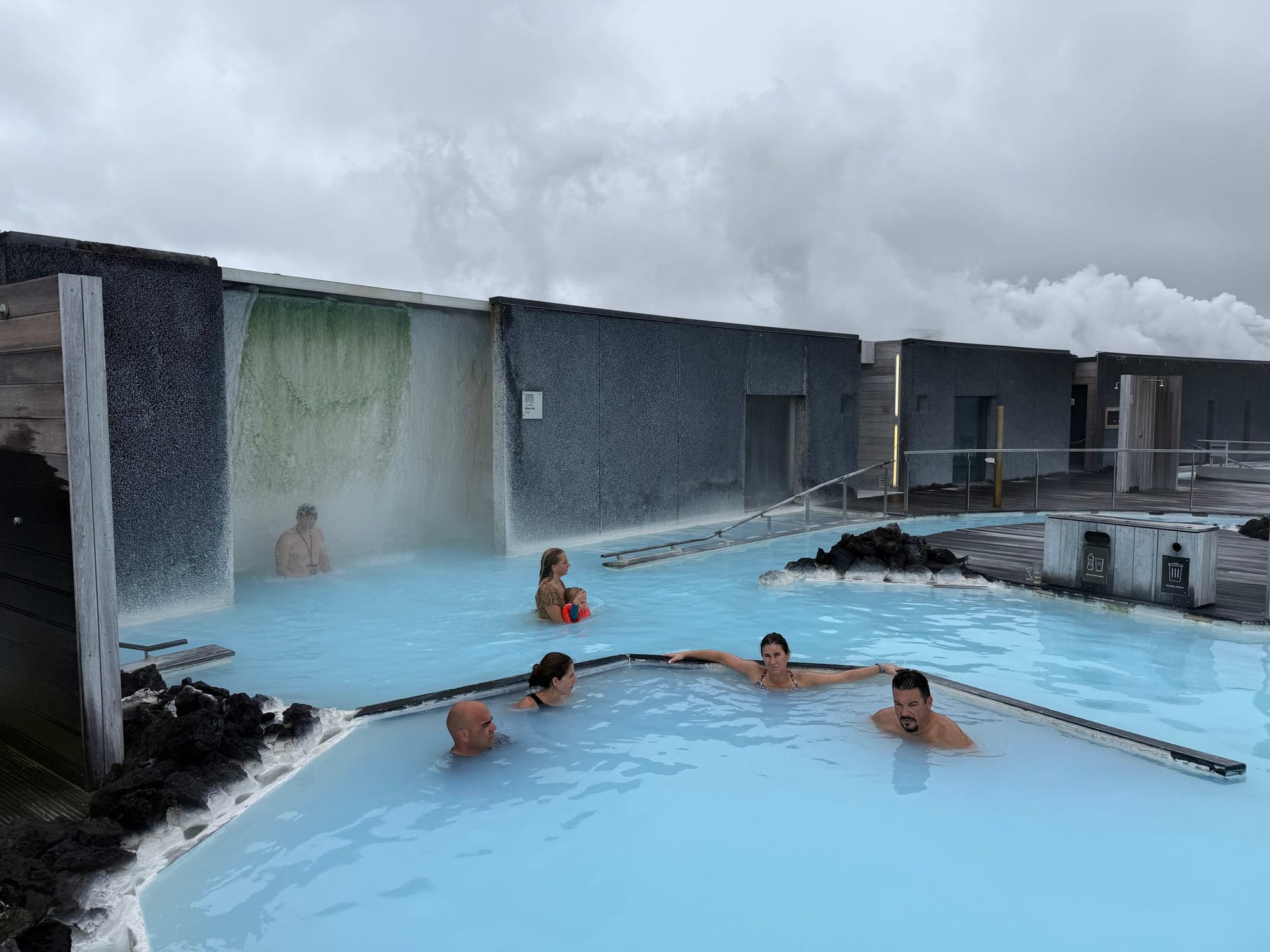
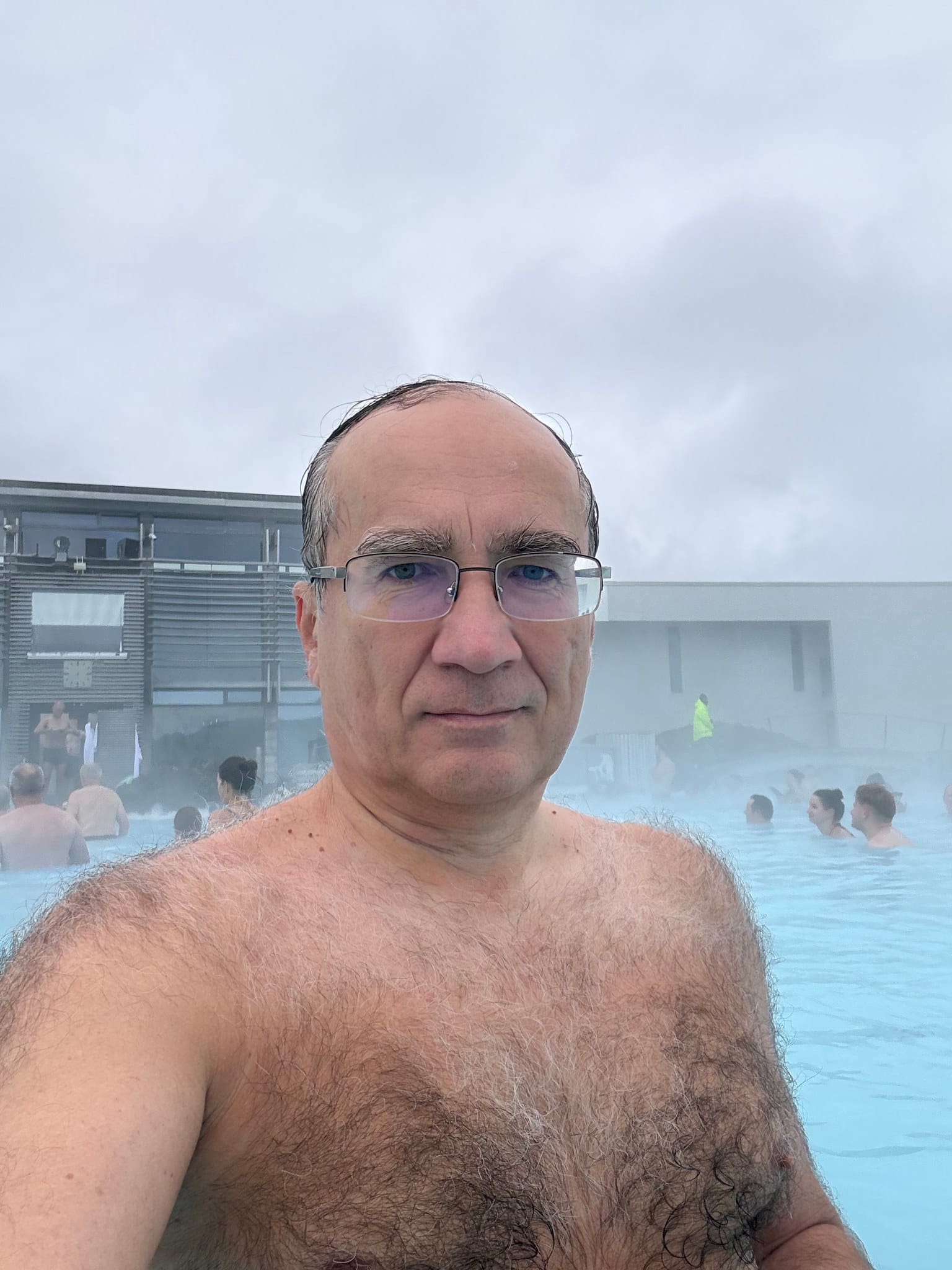
The Blue Lagoon belongs to the same family: one of the 25 wonders of the world according to National Geographic. The air was 10 degrees, the water 35–40 depending on where you stand. The colour is unreal! The smell of sulphur, by the way, follows you everywhere volcanic activity is near; you stop noticing it surprisingly fast.
Water and Glaciers
Icelandic tap water is among the best in the world: it comes either from glaciers or from deep underground after natural filtration. You can drink cold water straight from the tap without a second thought and skip the bottled kind, though the hot water often smells of hydrogen sulphide, because it is heated geothermally.
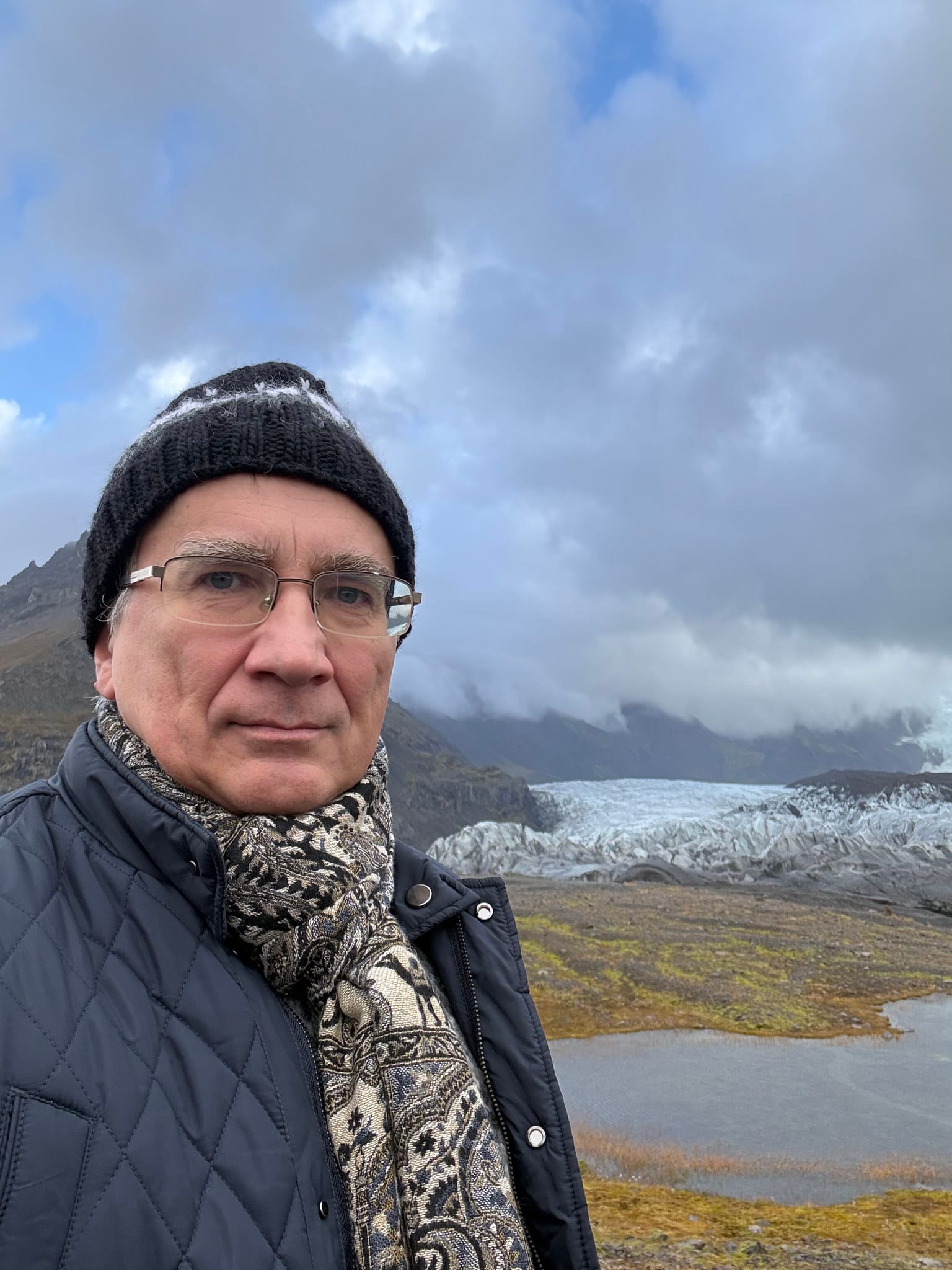
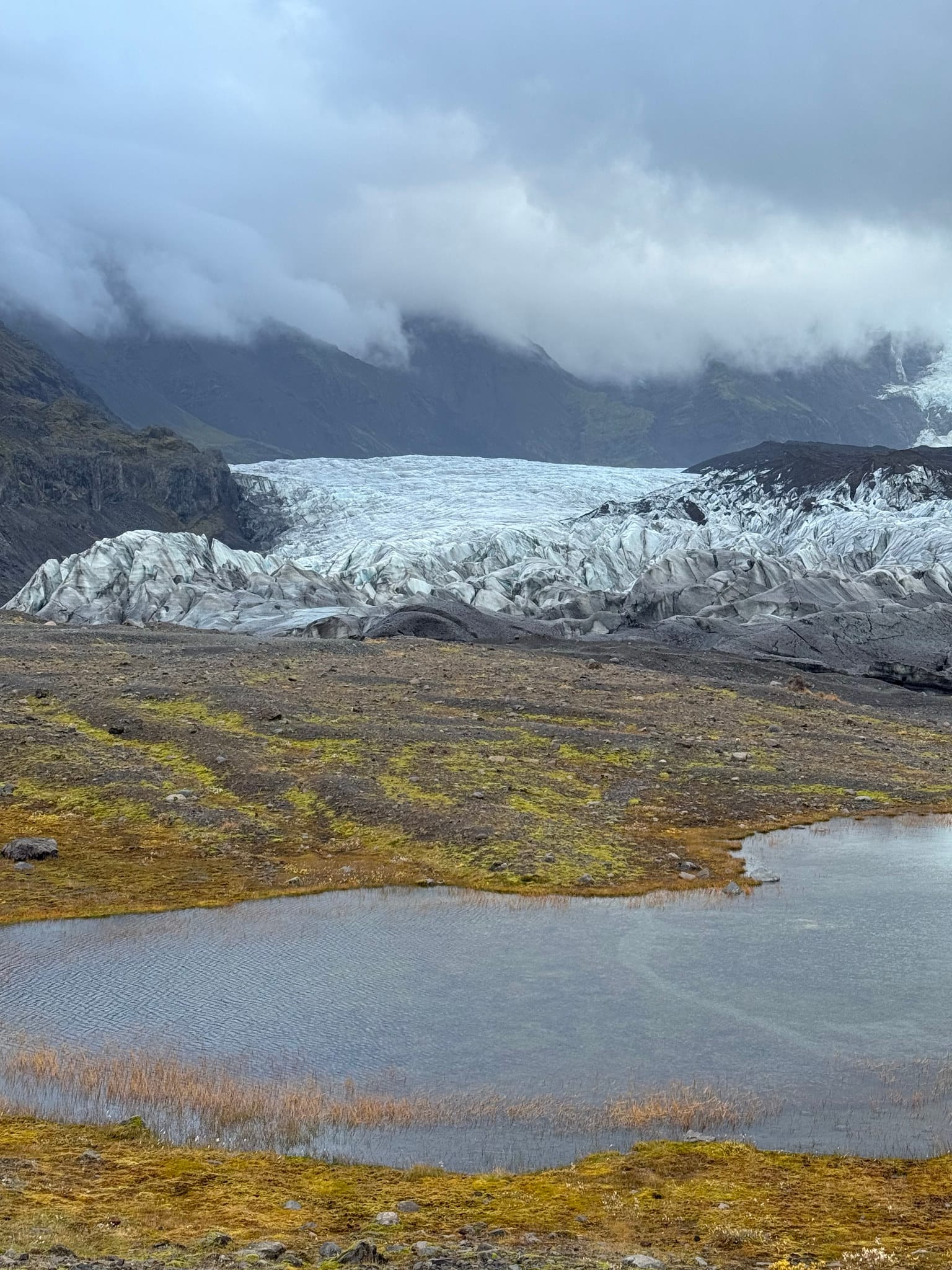
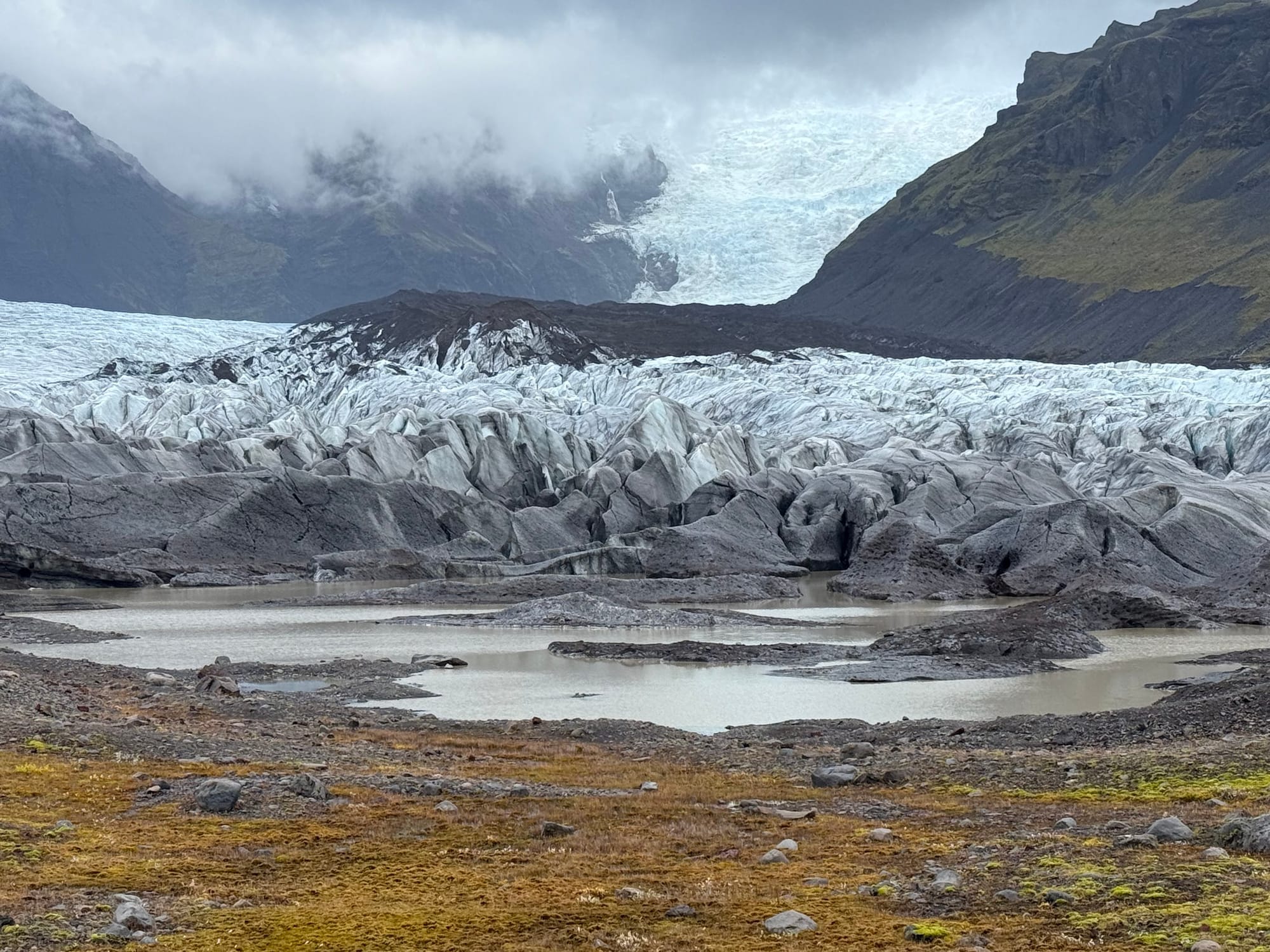
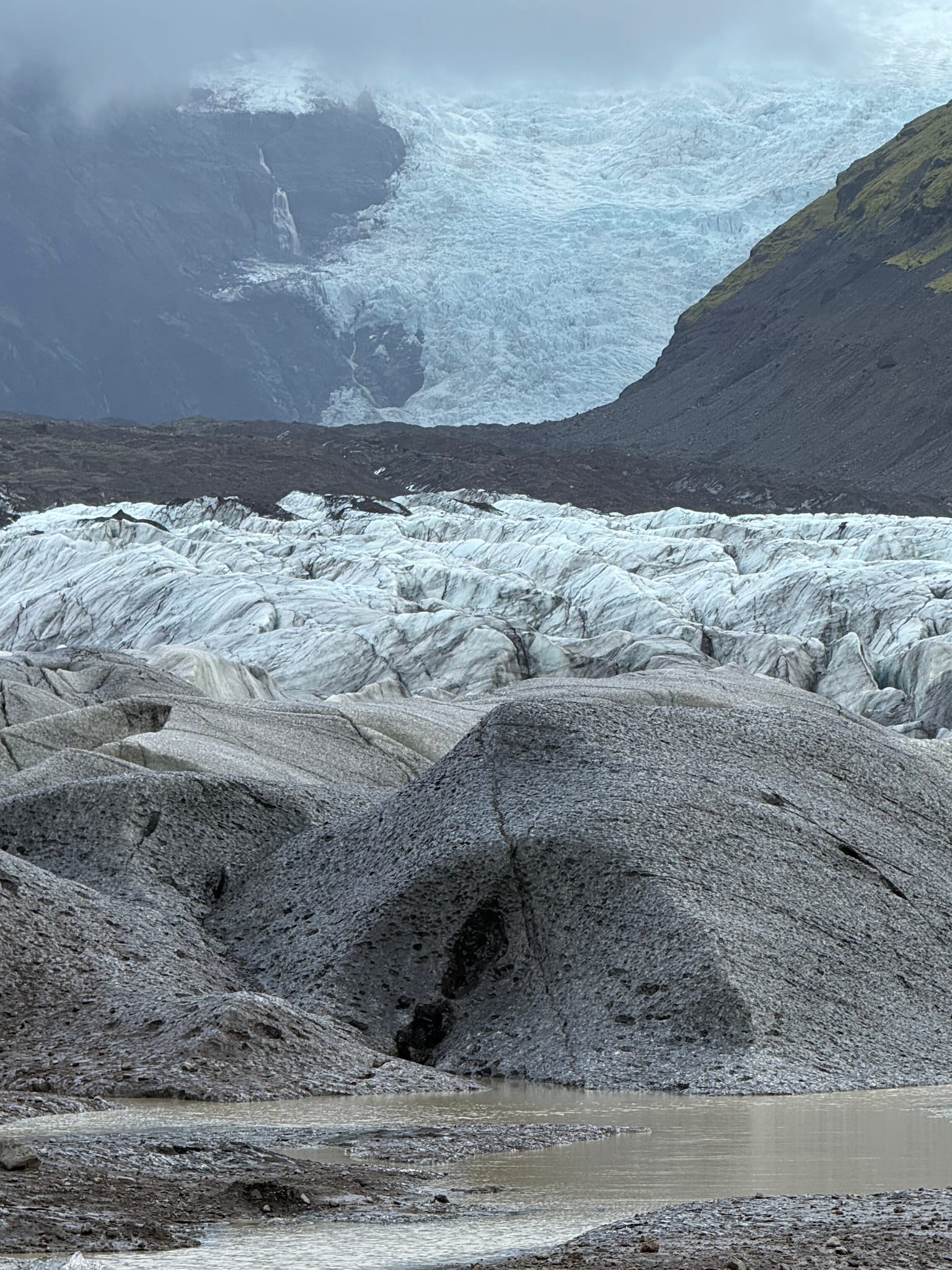
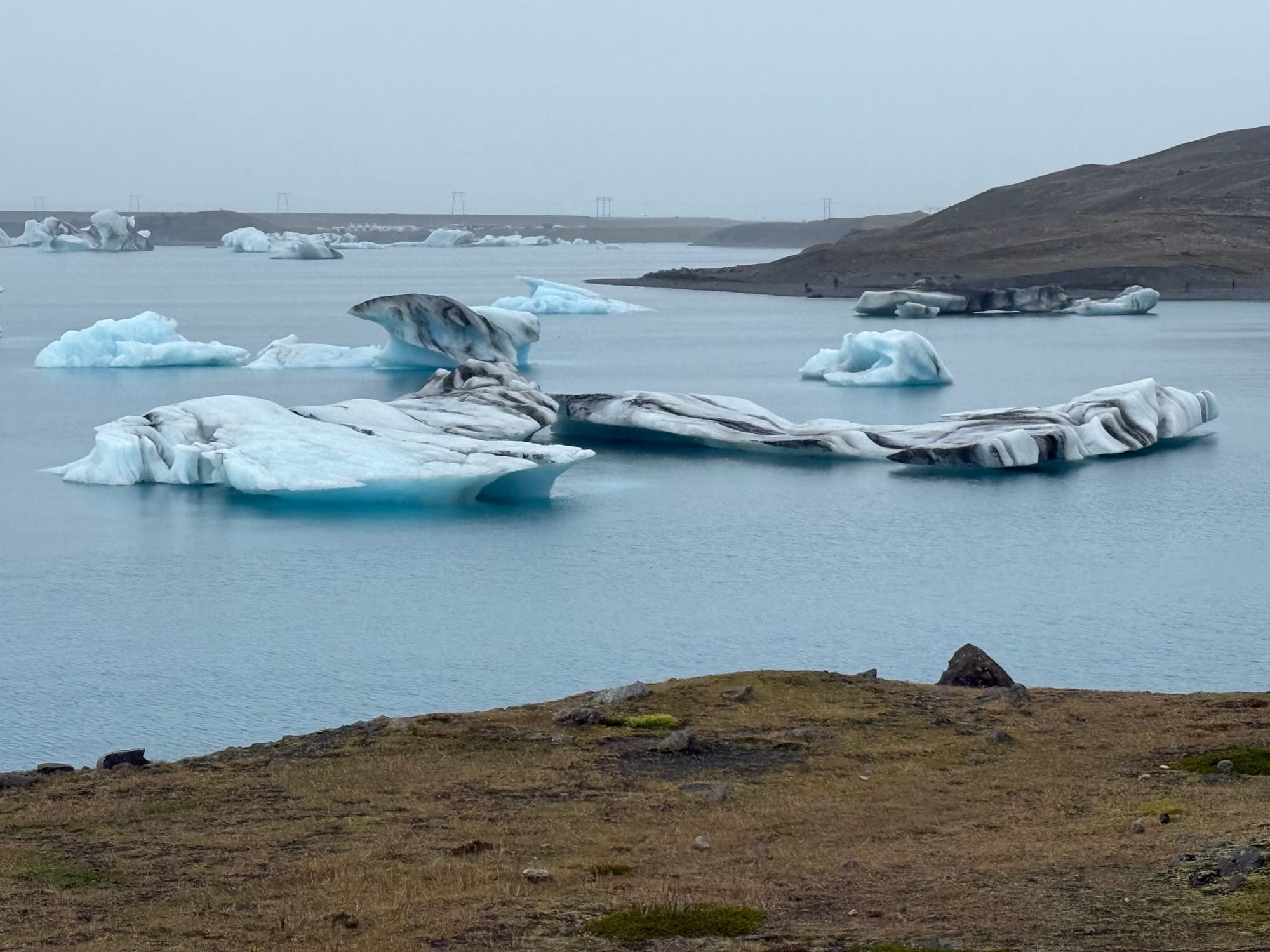
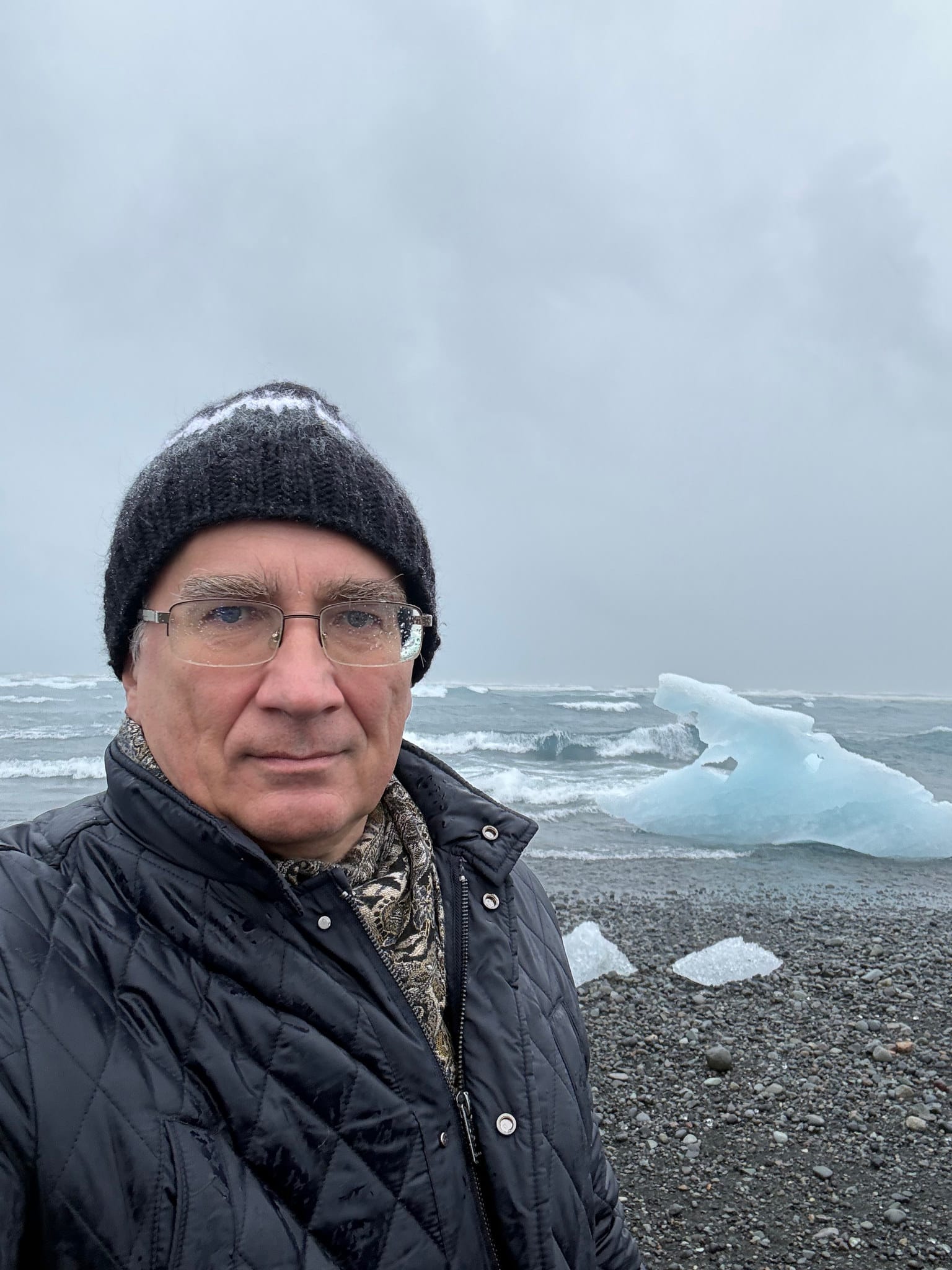
The glaciers got a full day of the route and a separate post I wrote in Belarusian back then: «Ледзяная Ісландыя, як і мае быць па назве» (icy Iceland, exactly as the name promises).
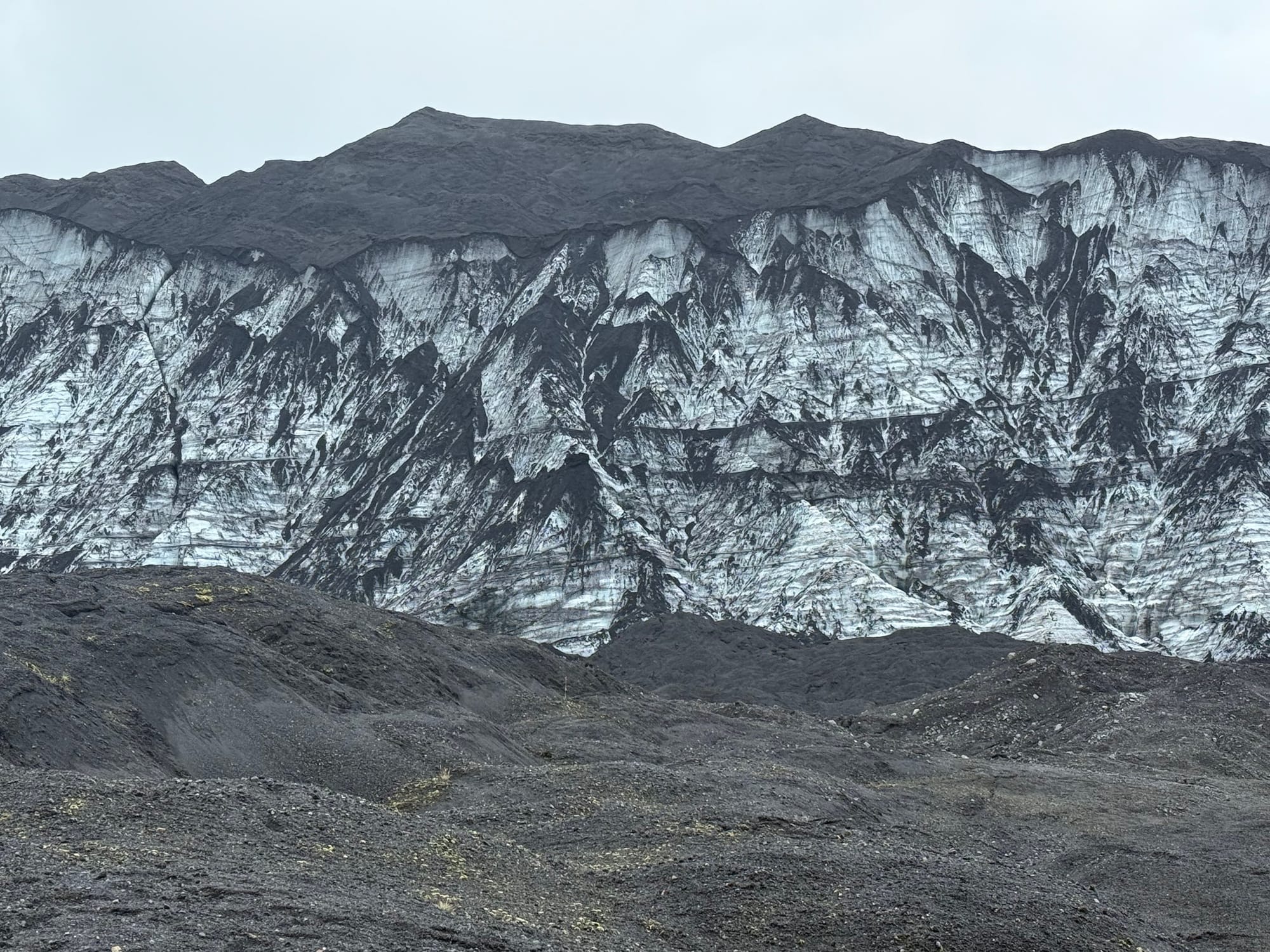
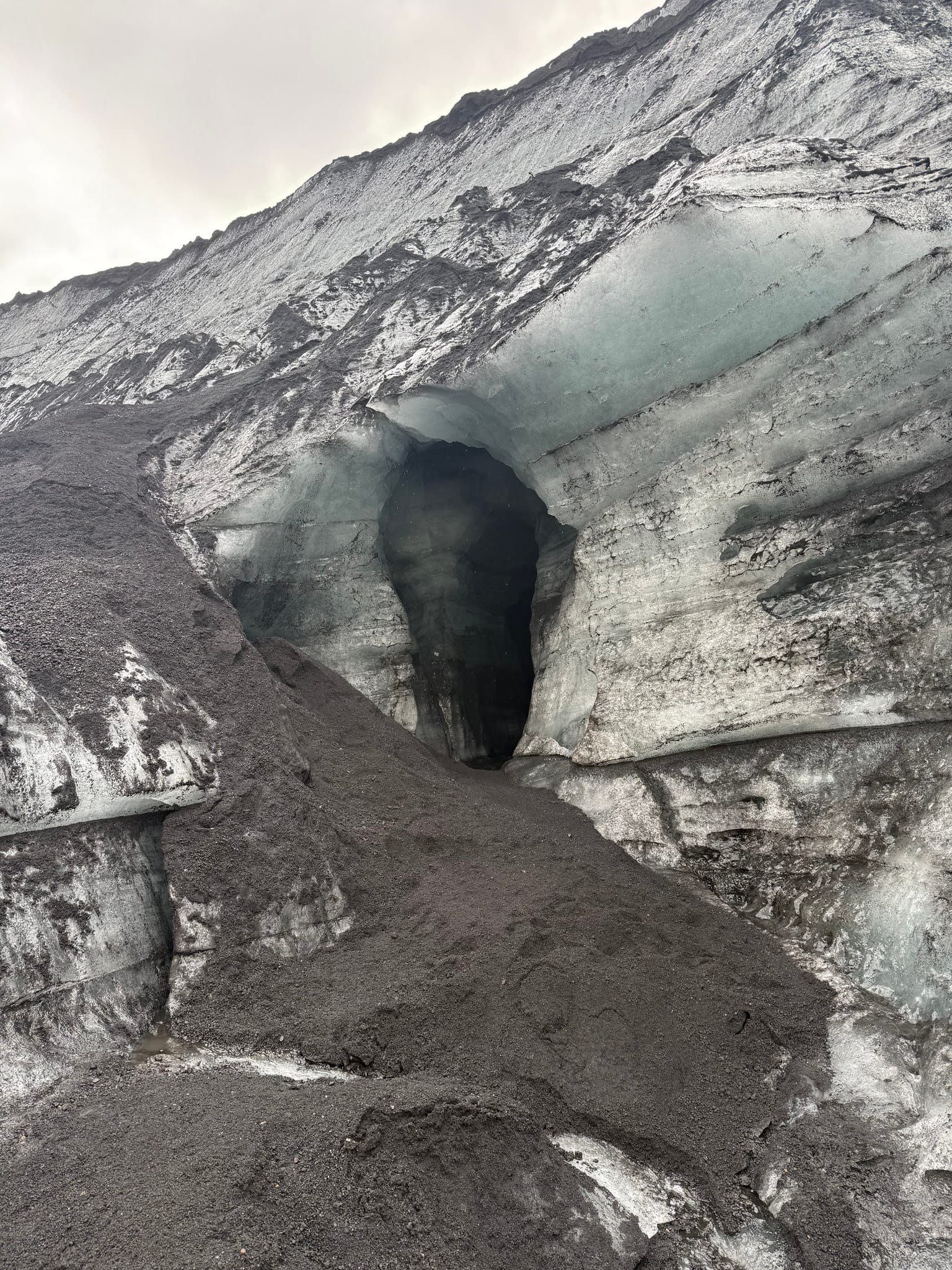
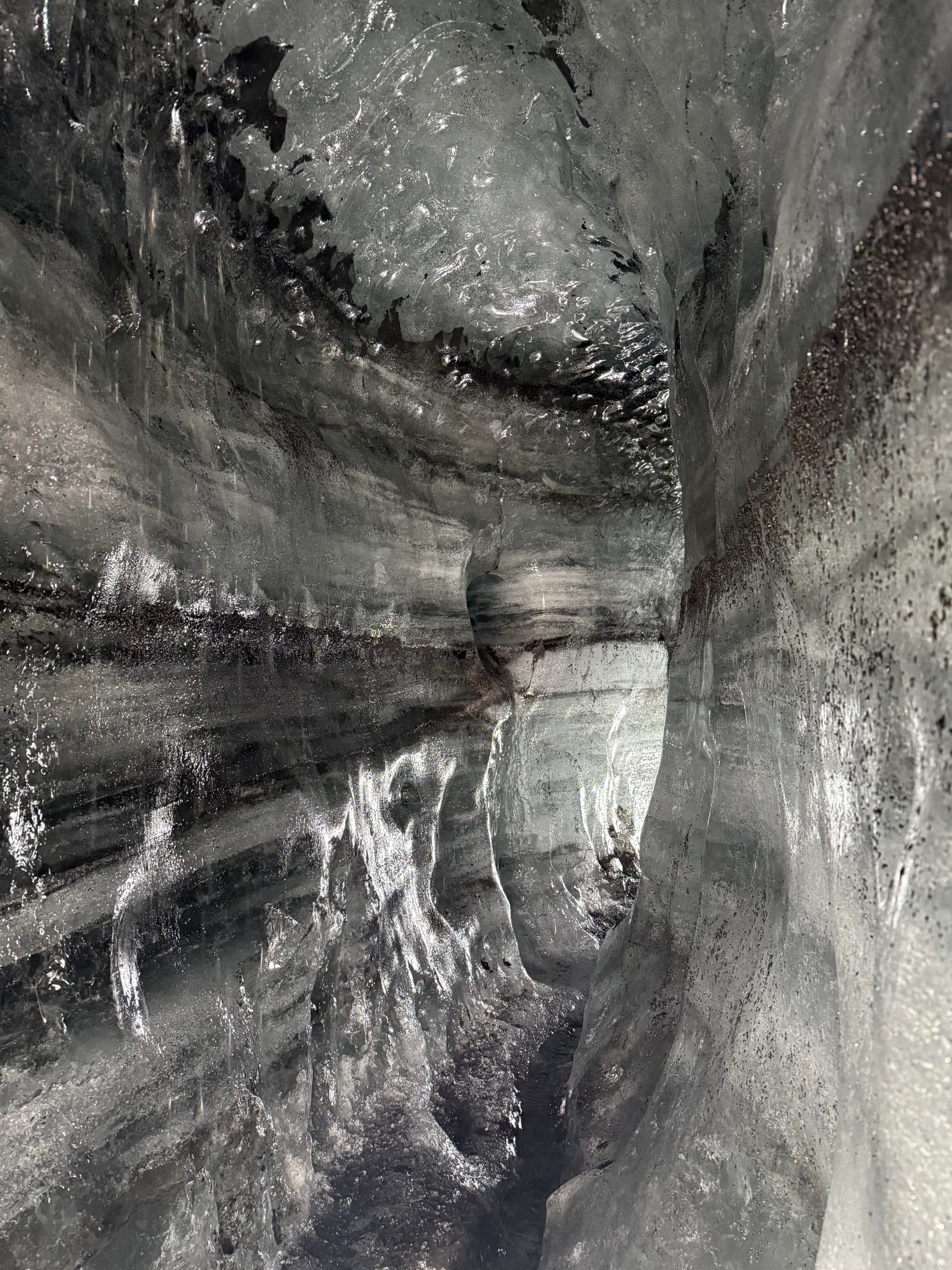
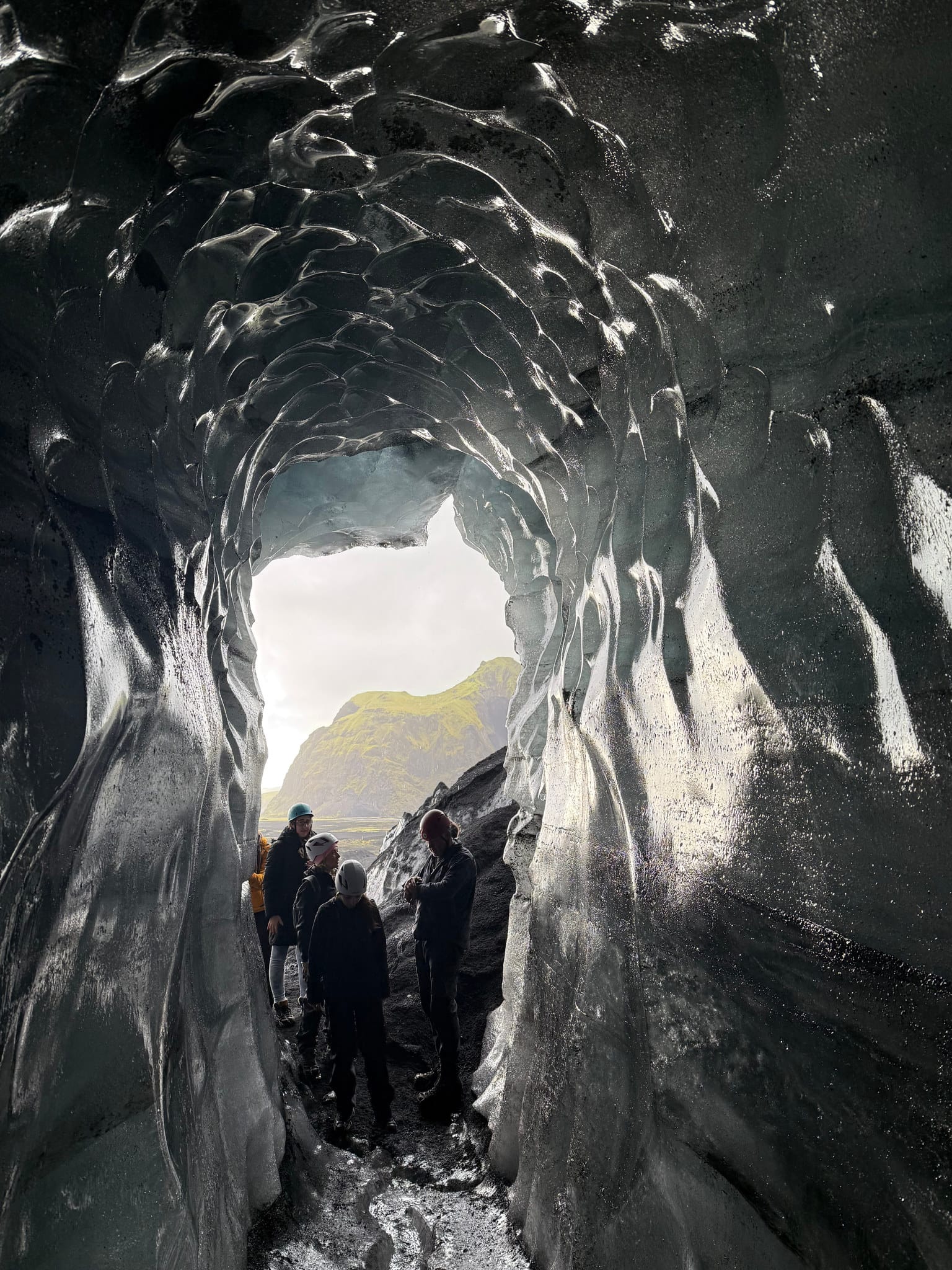
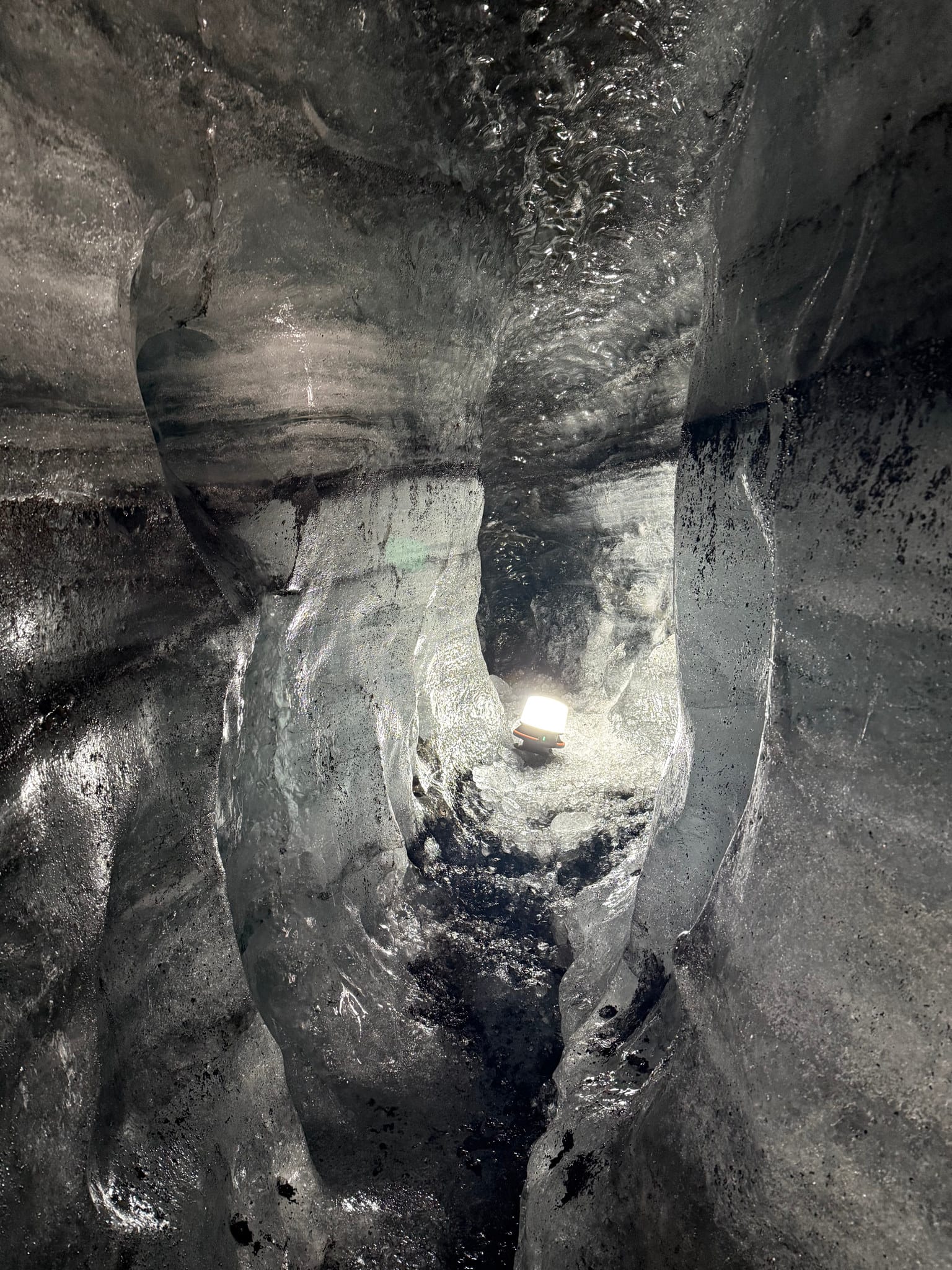
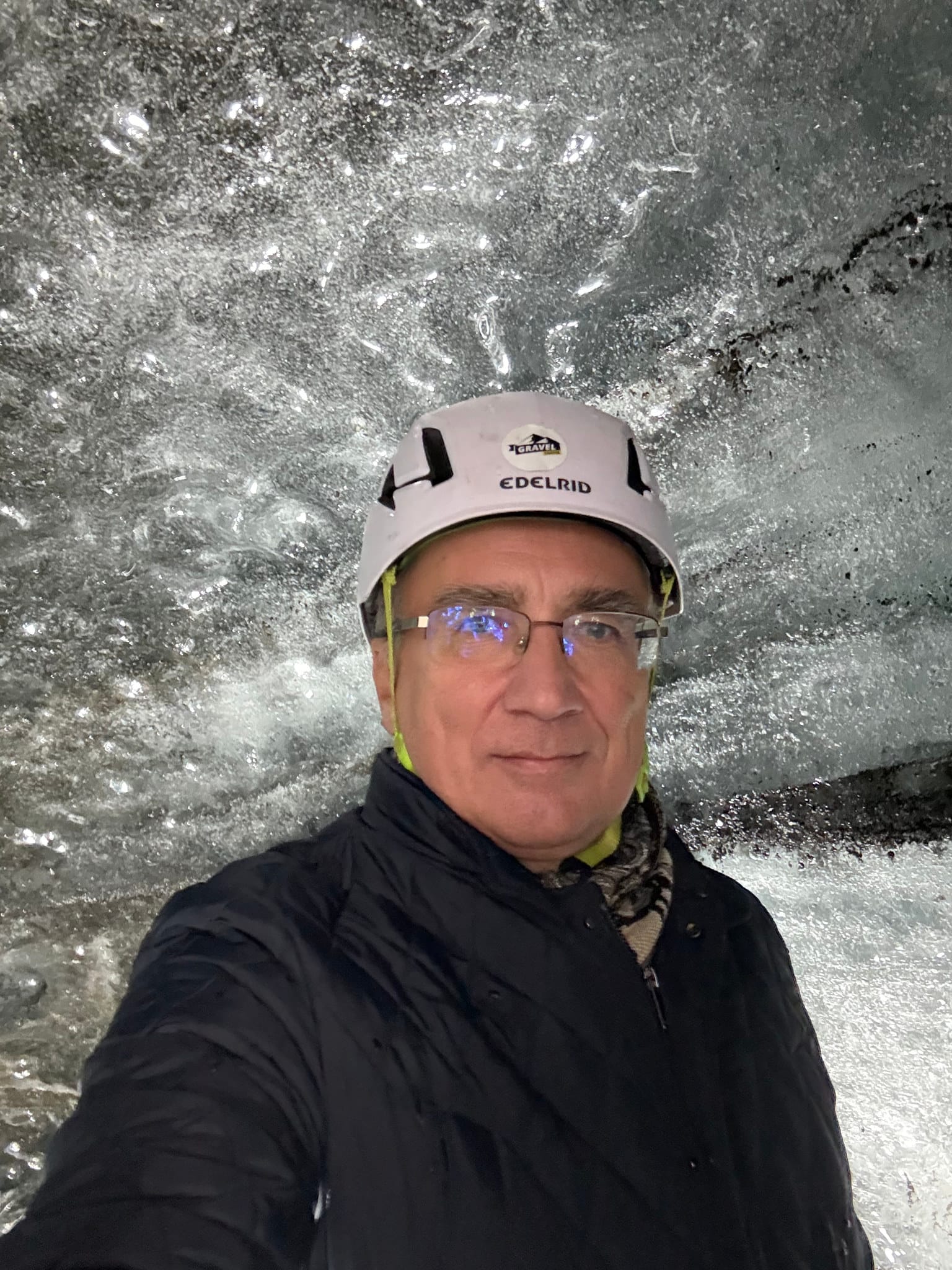
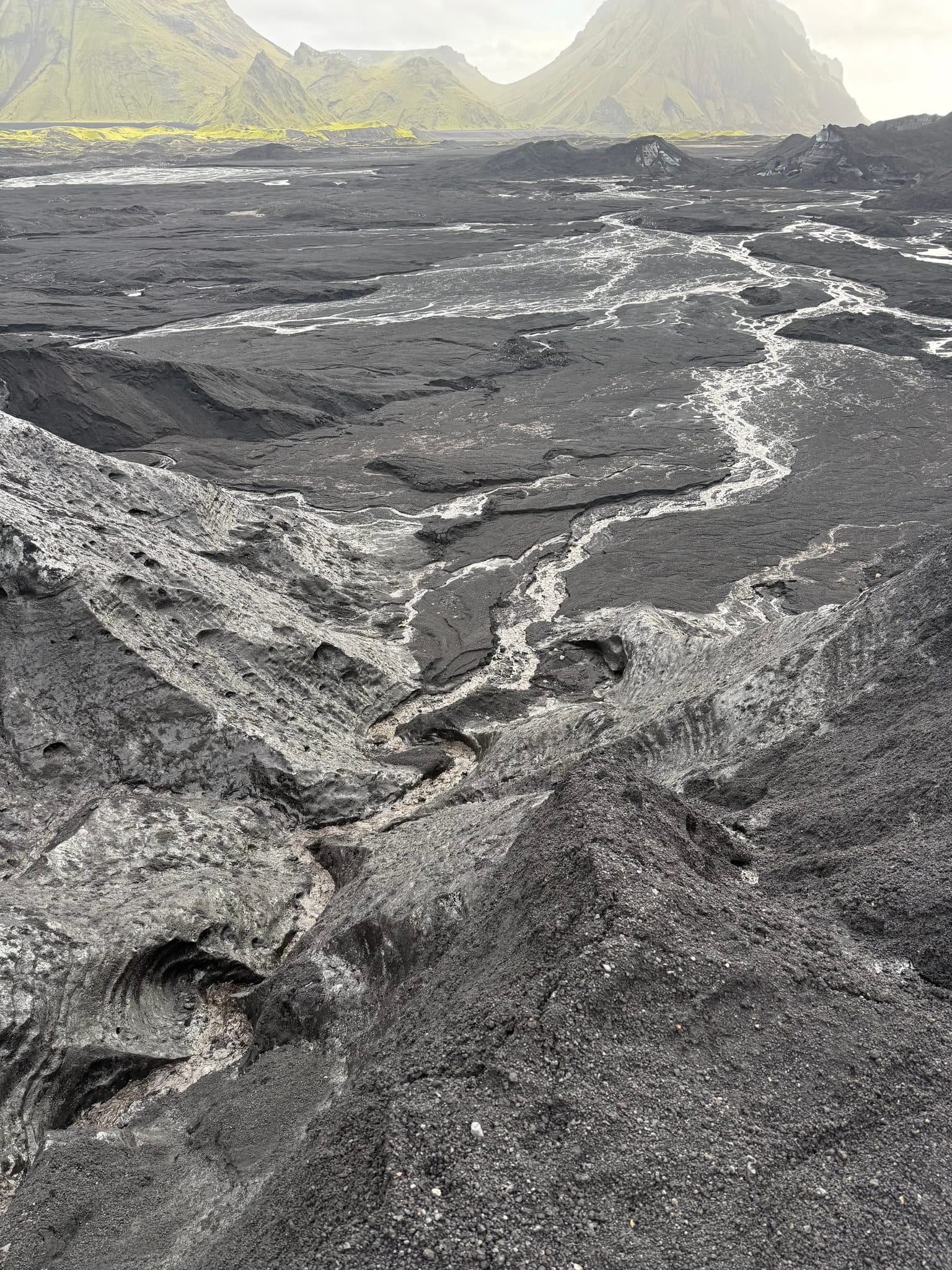
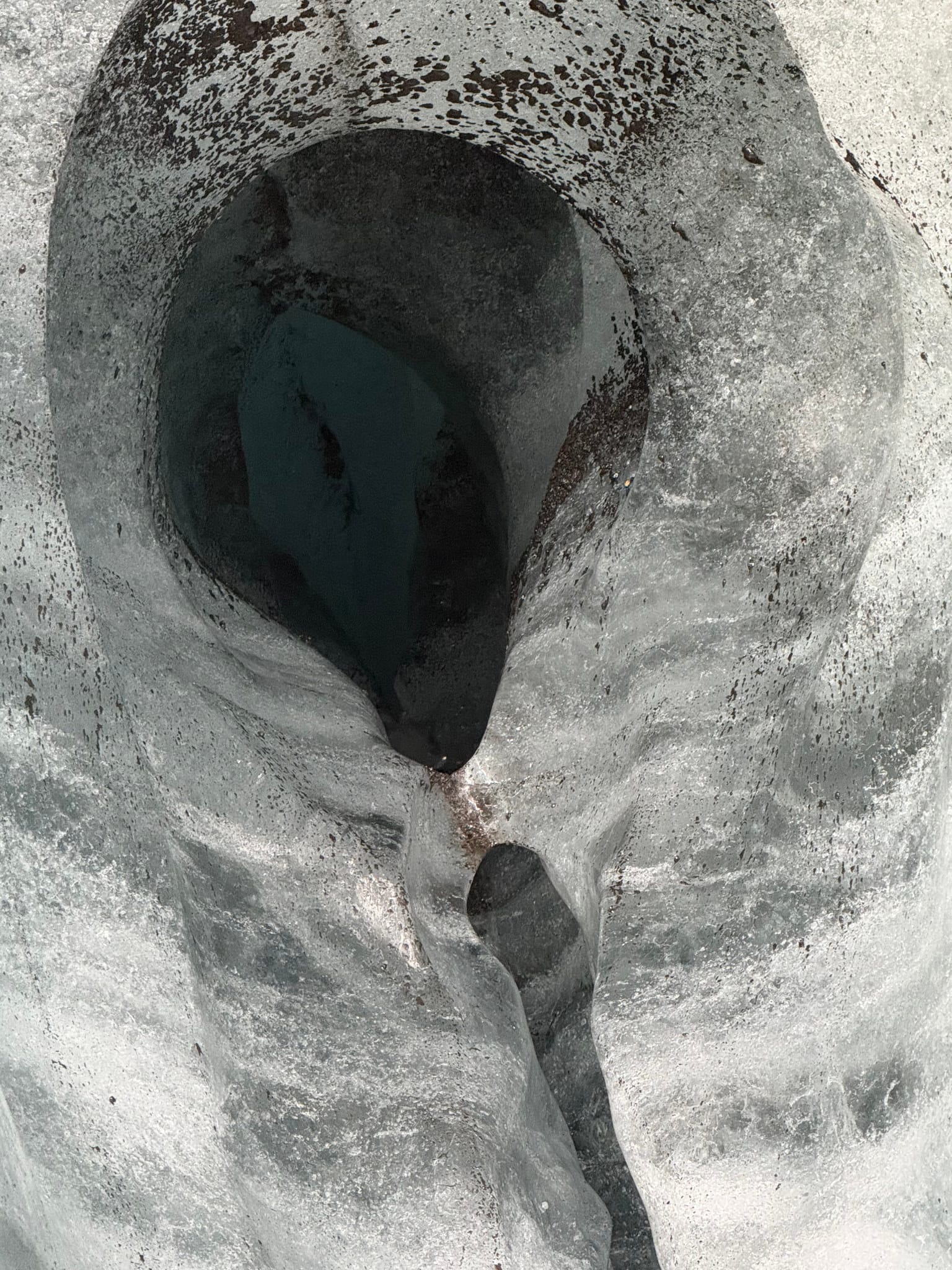
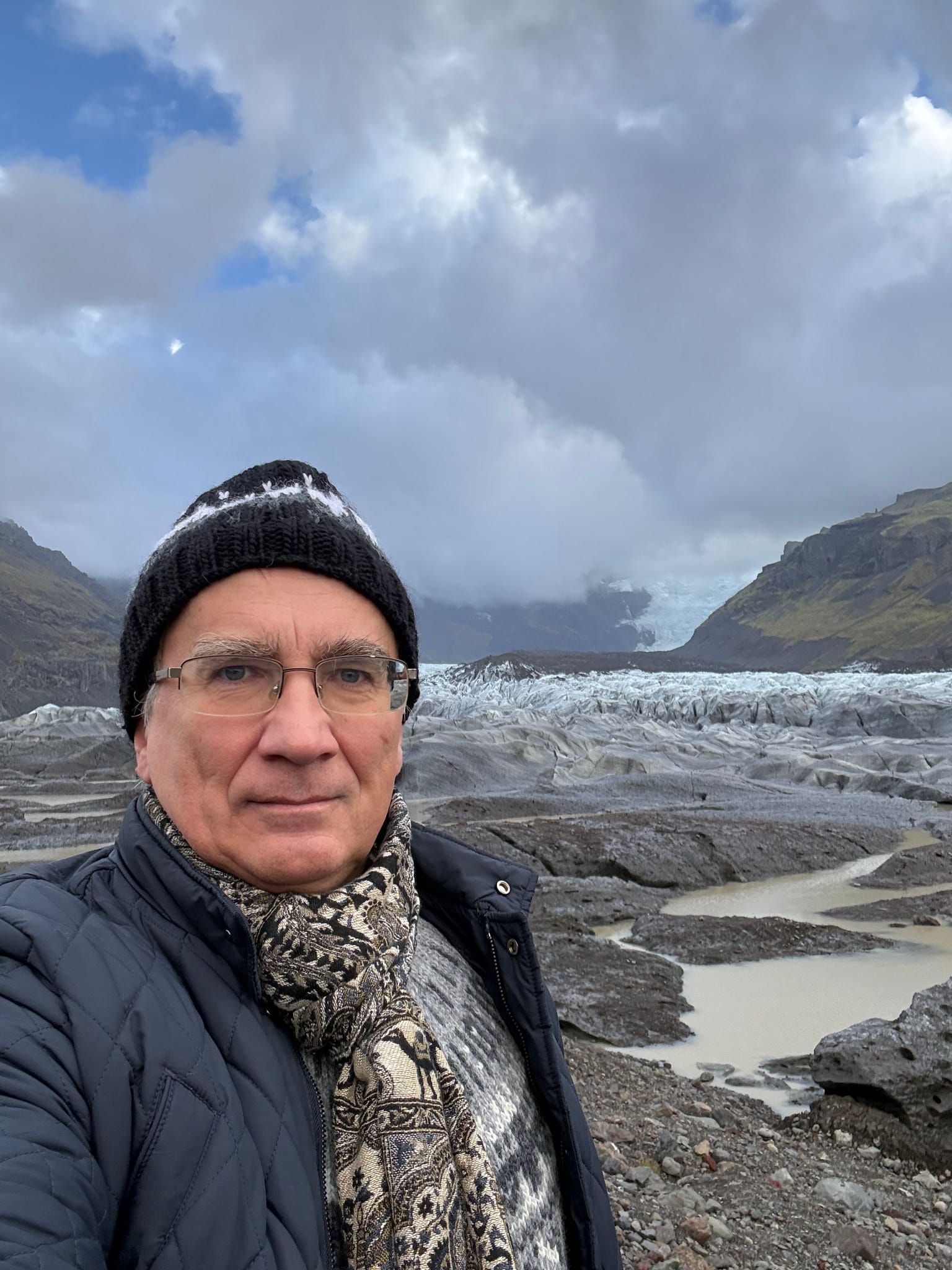
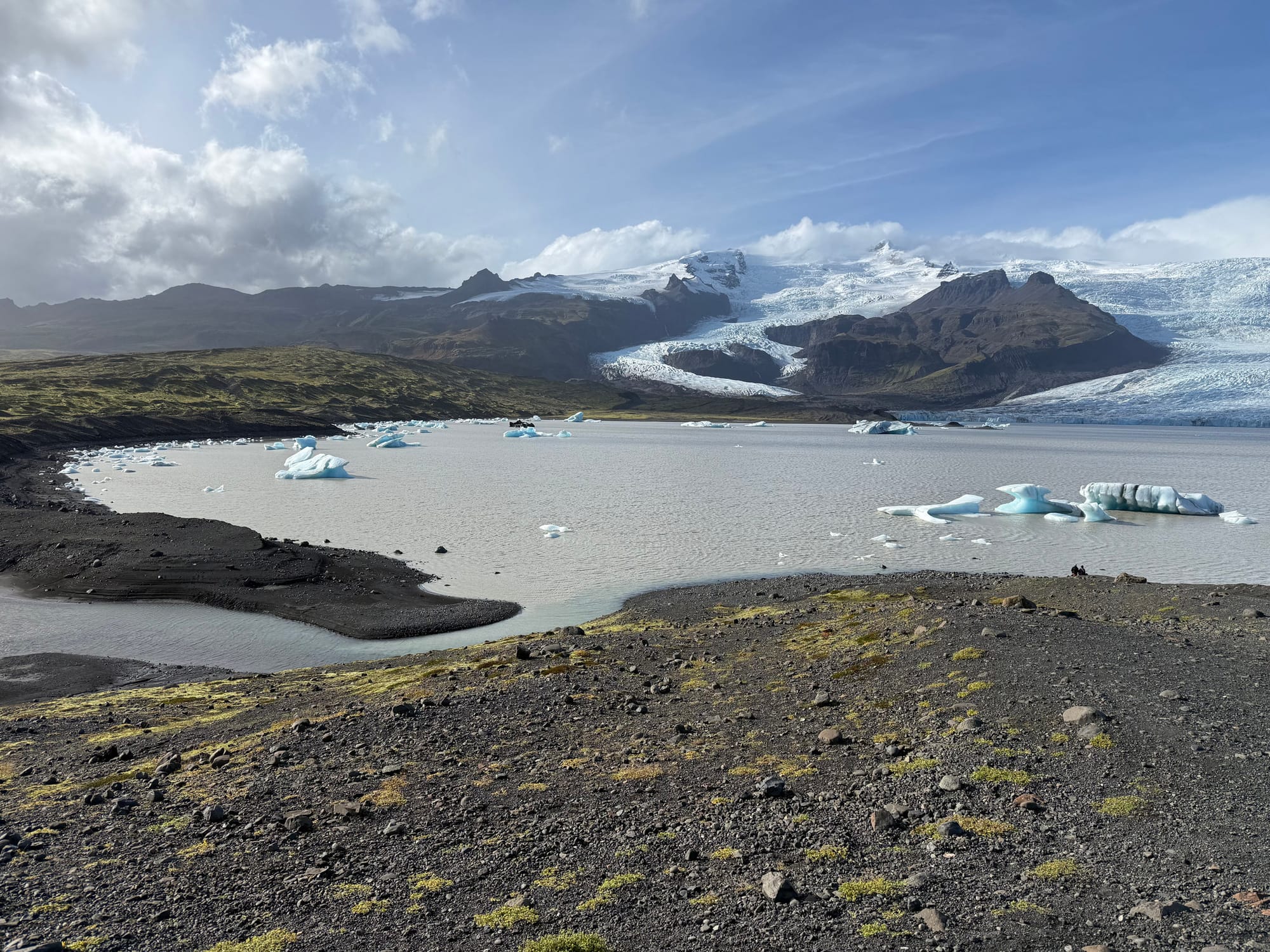
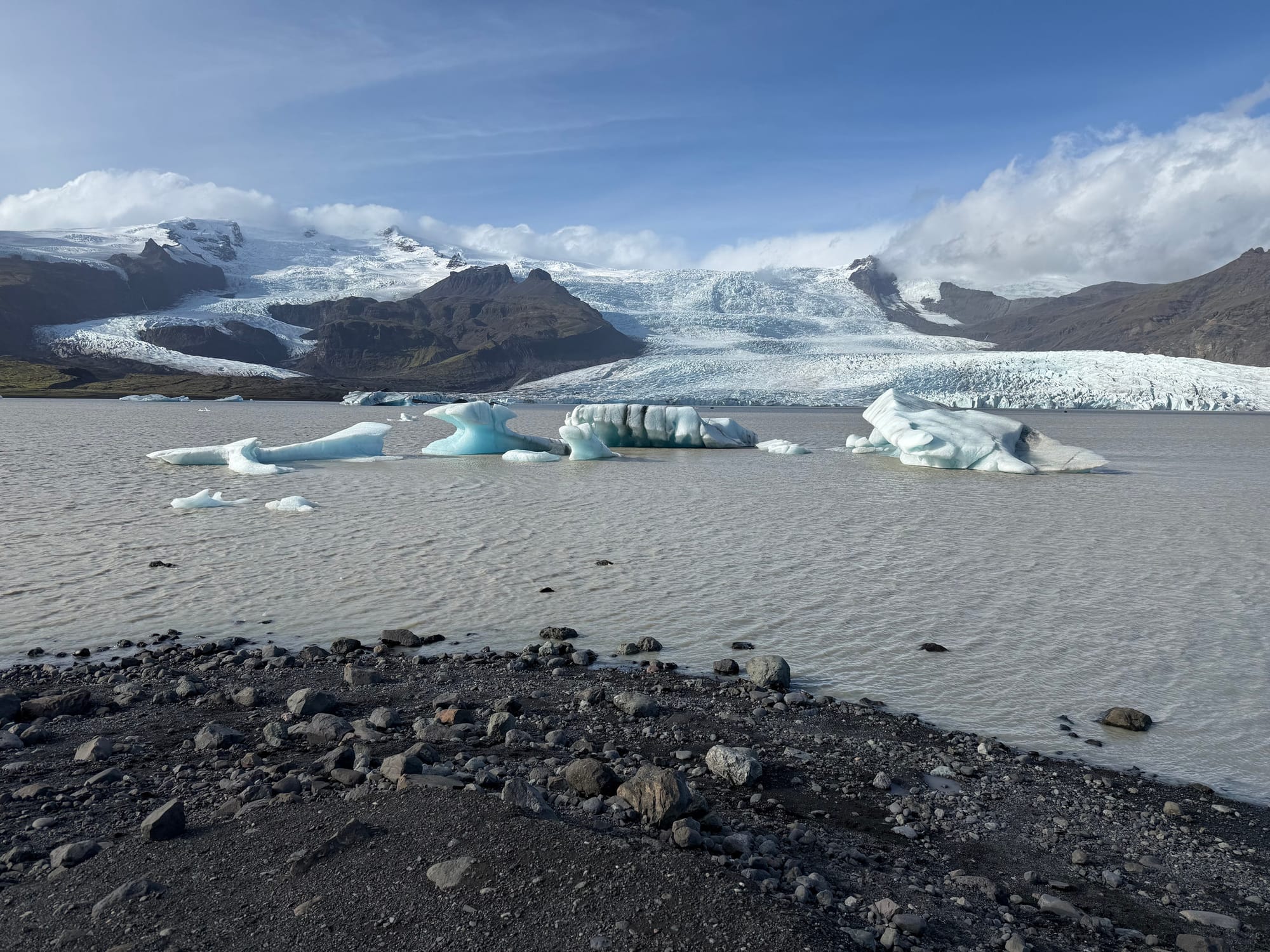
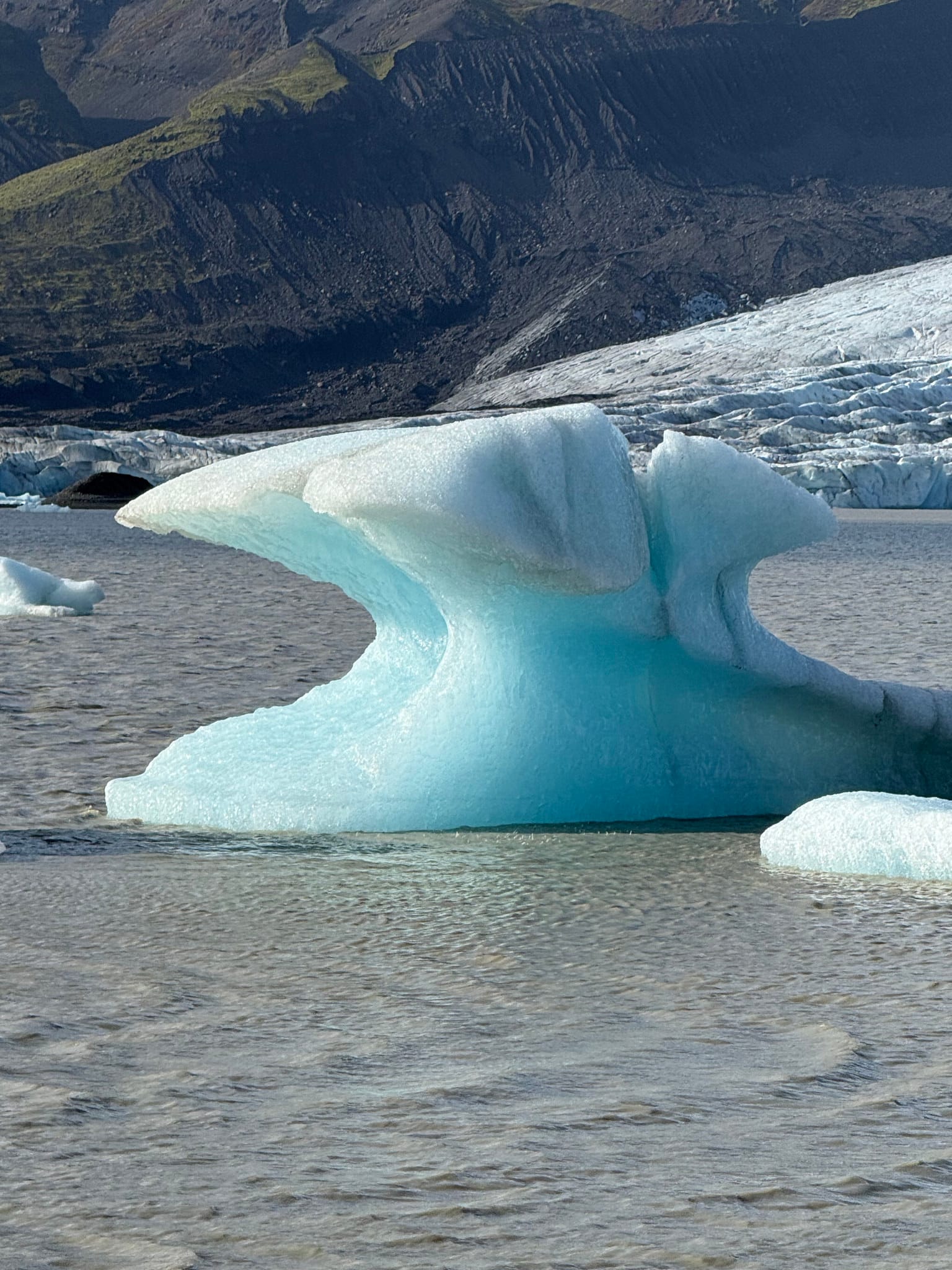
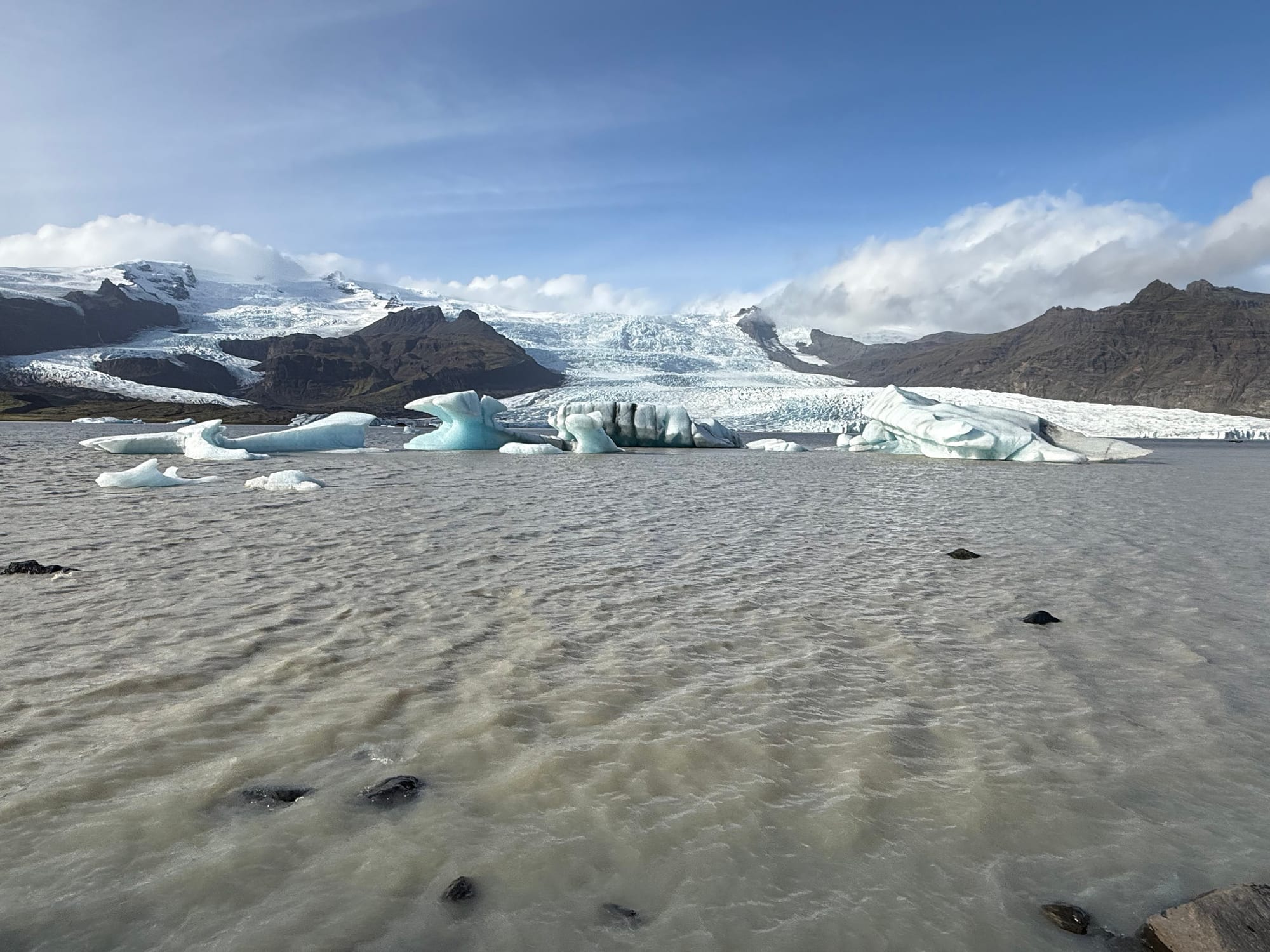
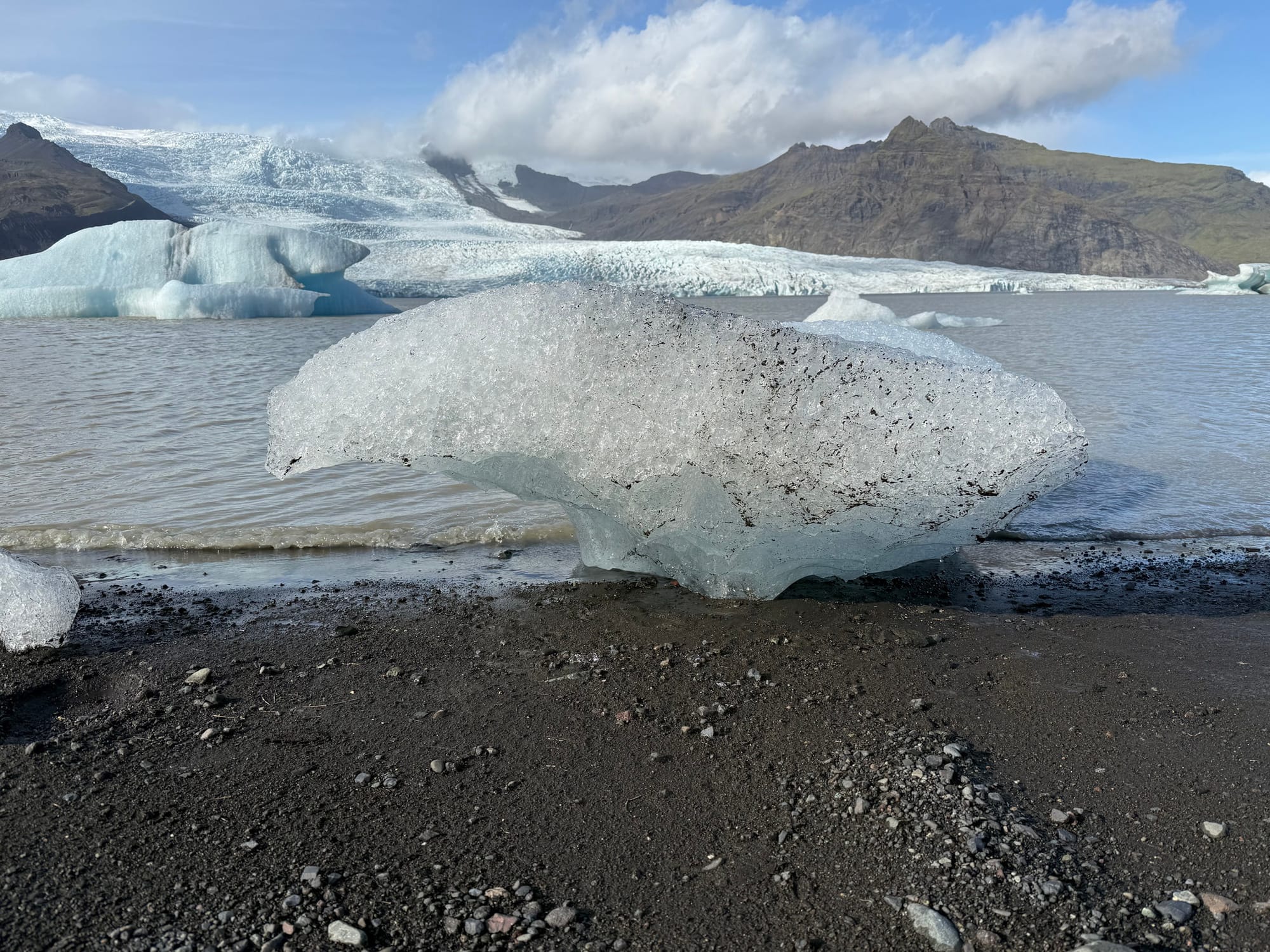
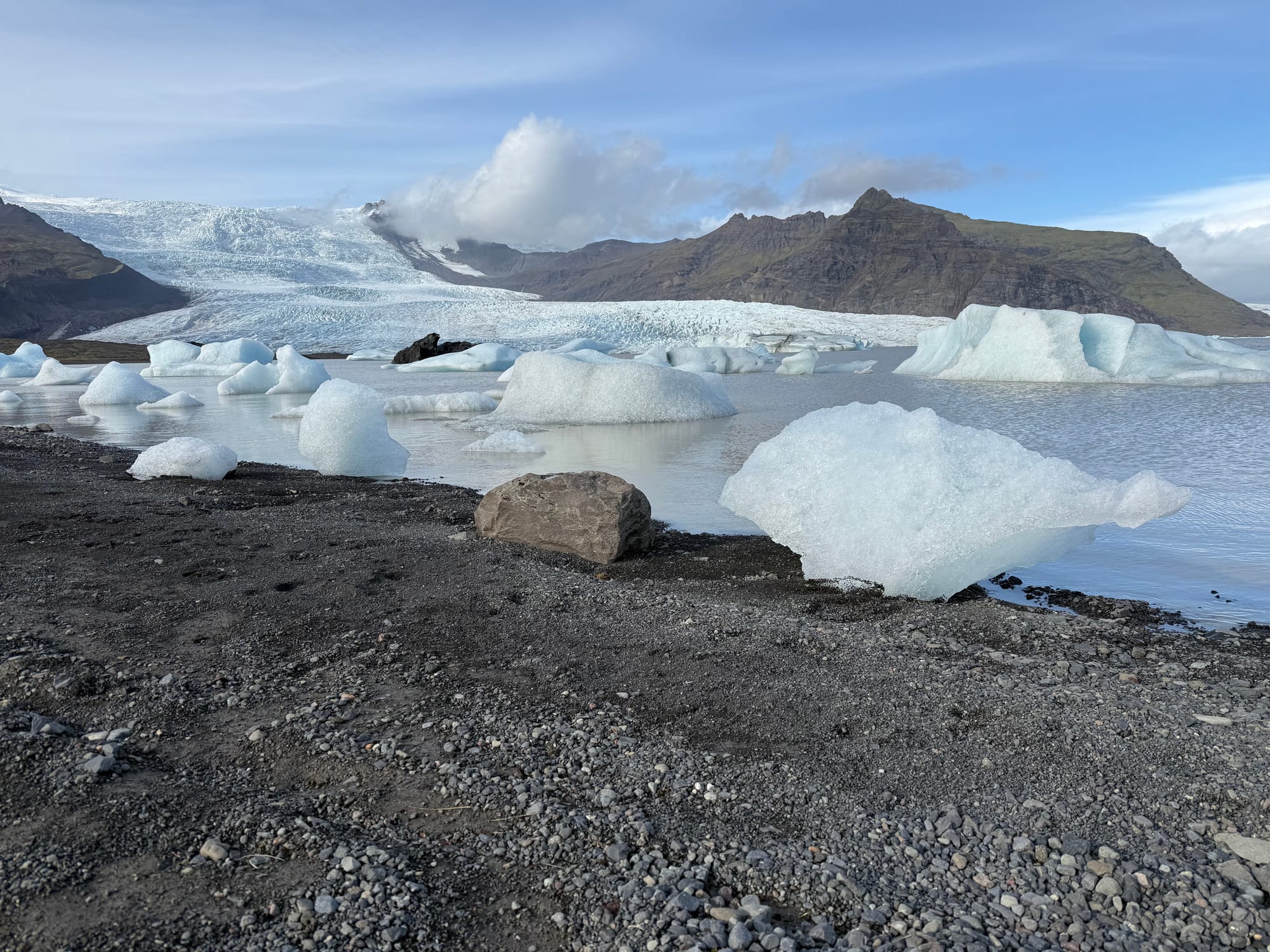
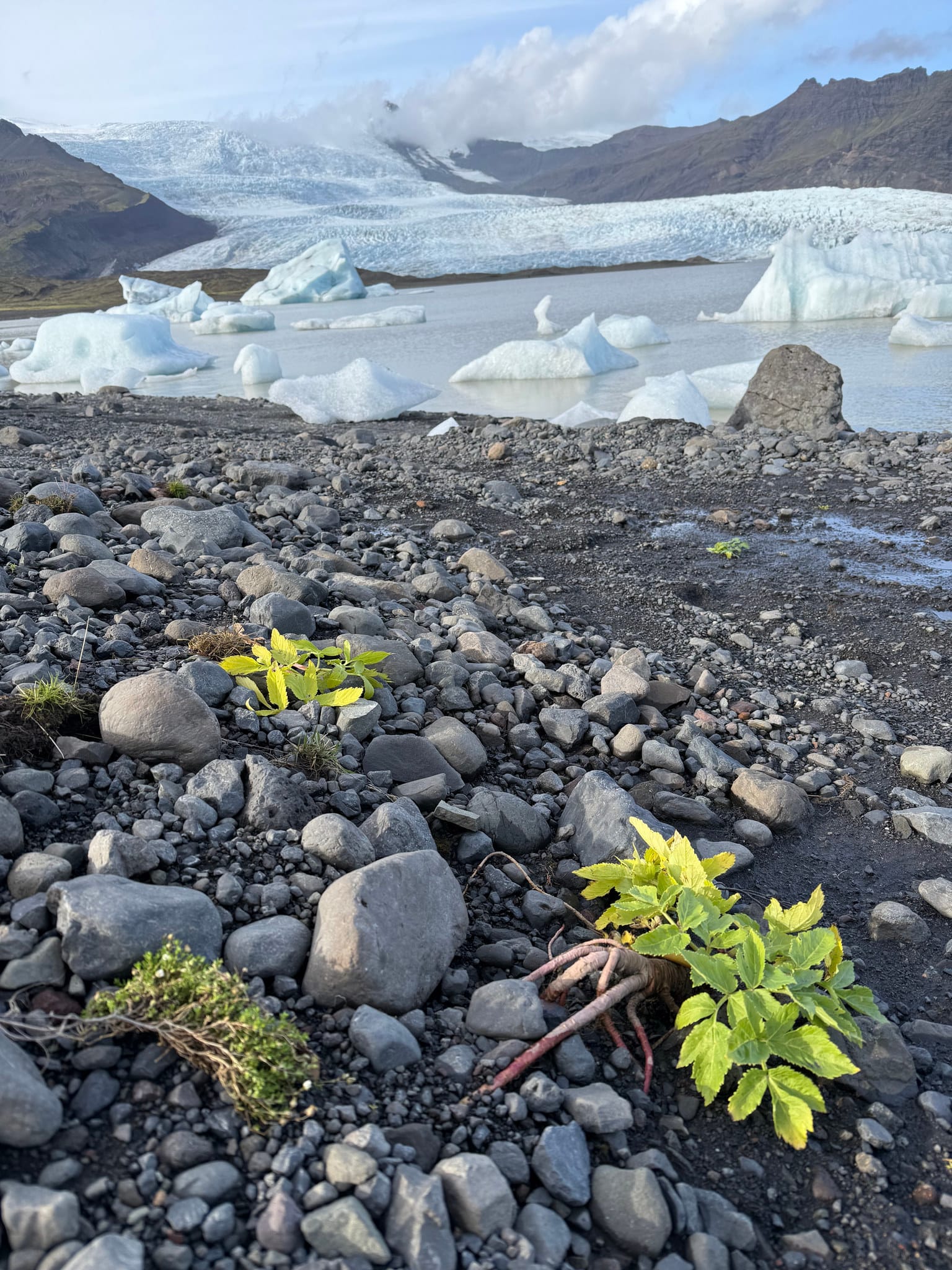
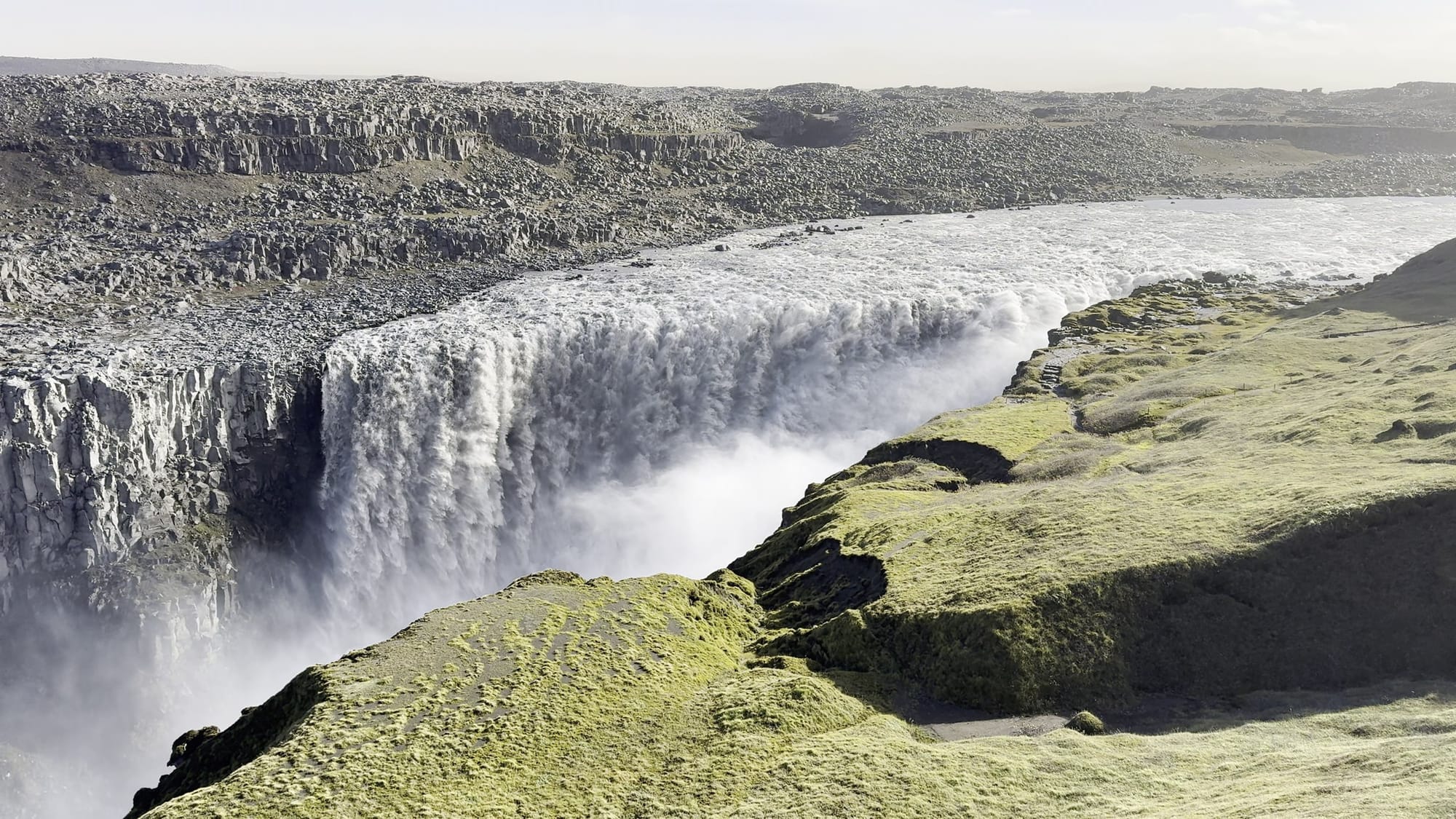
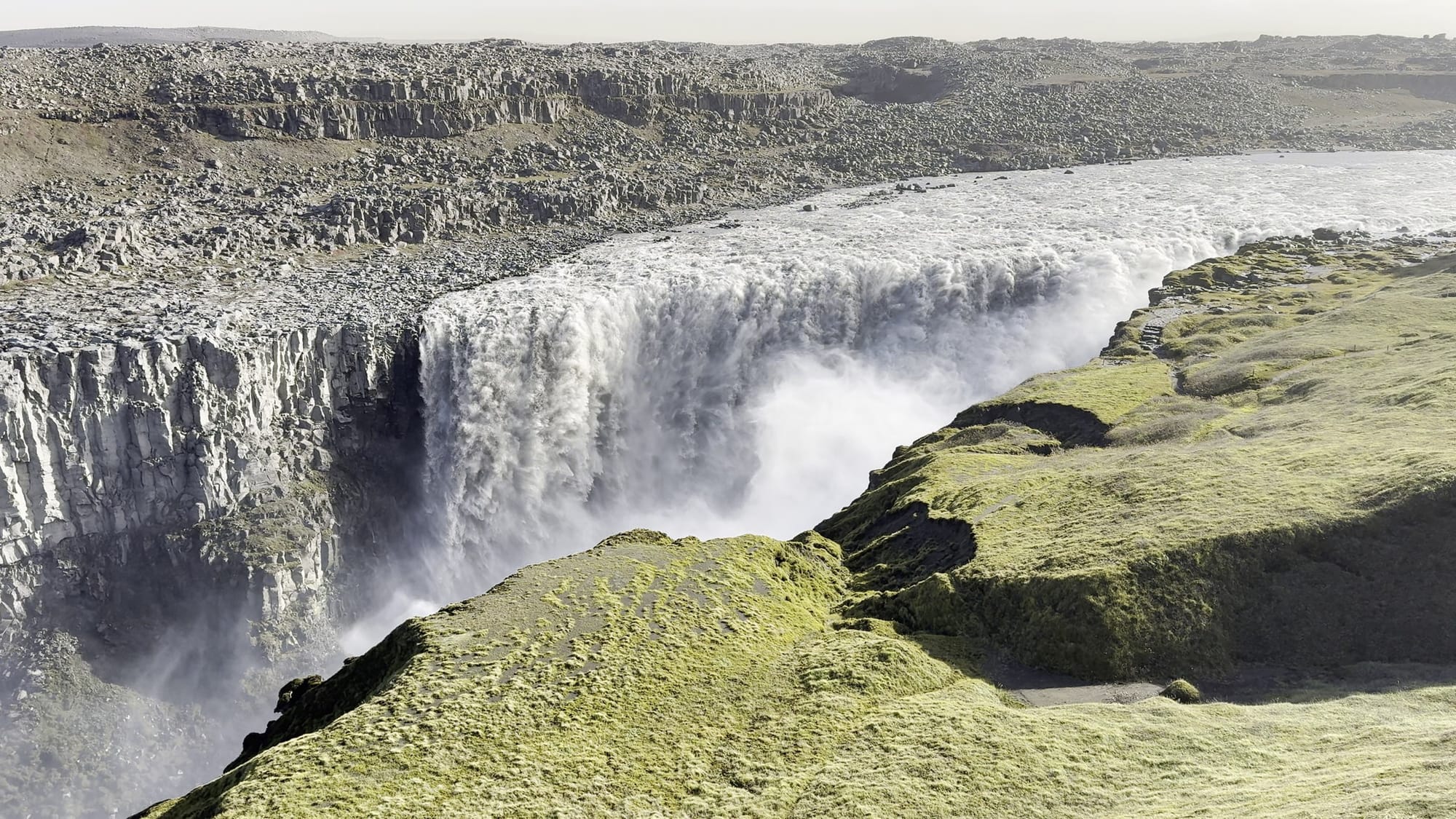
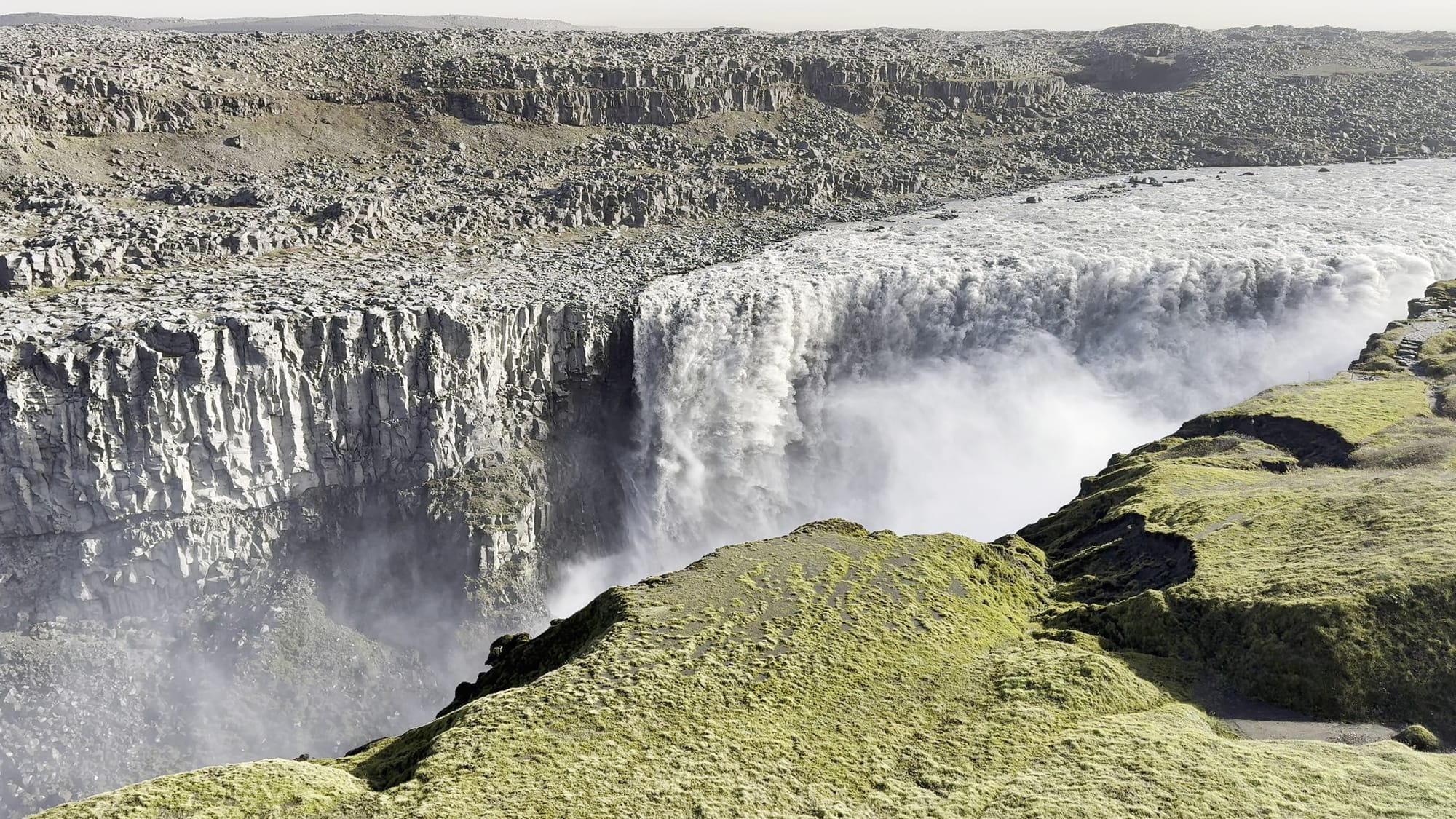
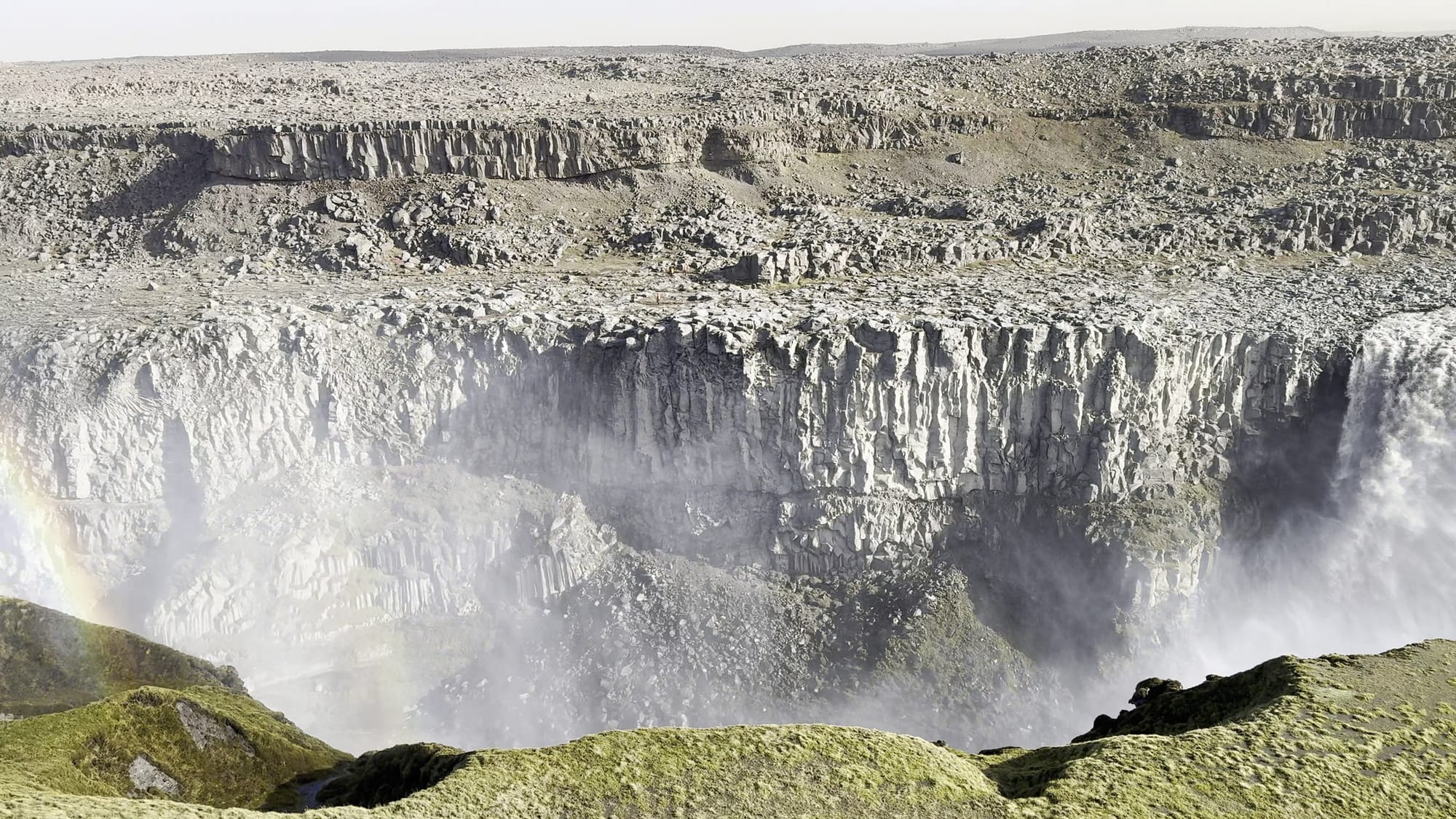
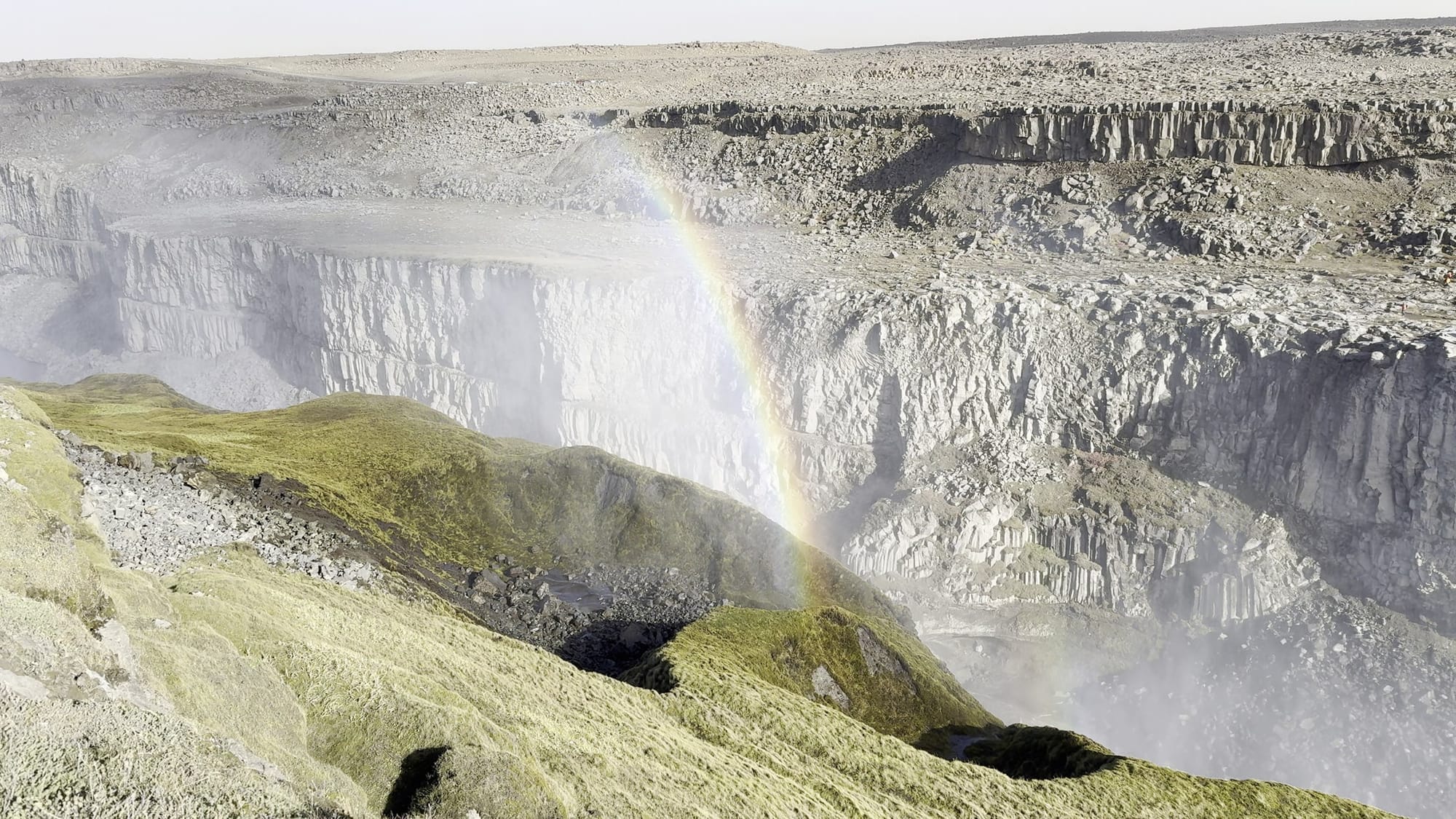
About the Dettifoss waterfall I wrote that it deserved a post of its own. I am keeping half of that promise: here it gets a chapter of its own. It is the most powerful waterfall in Europe by volume of water.
Whales, Seals and Sheep
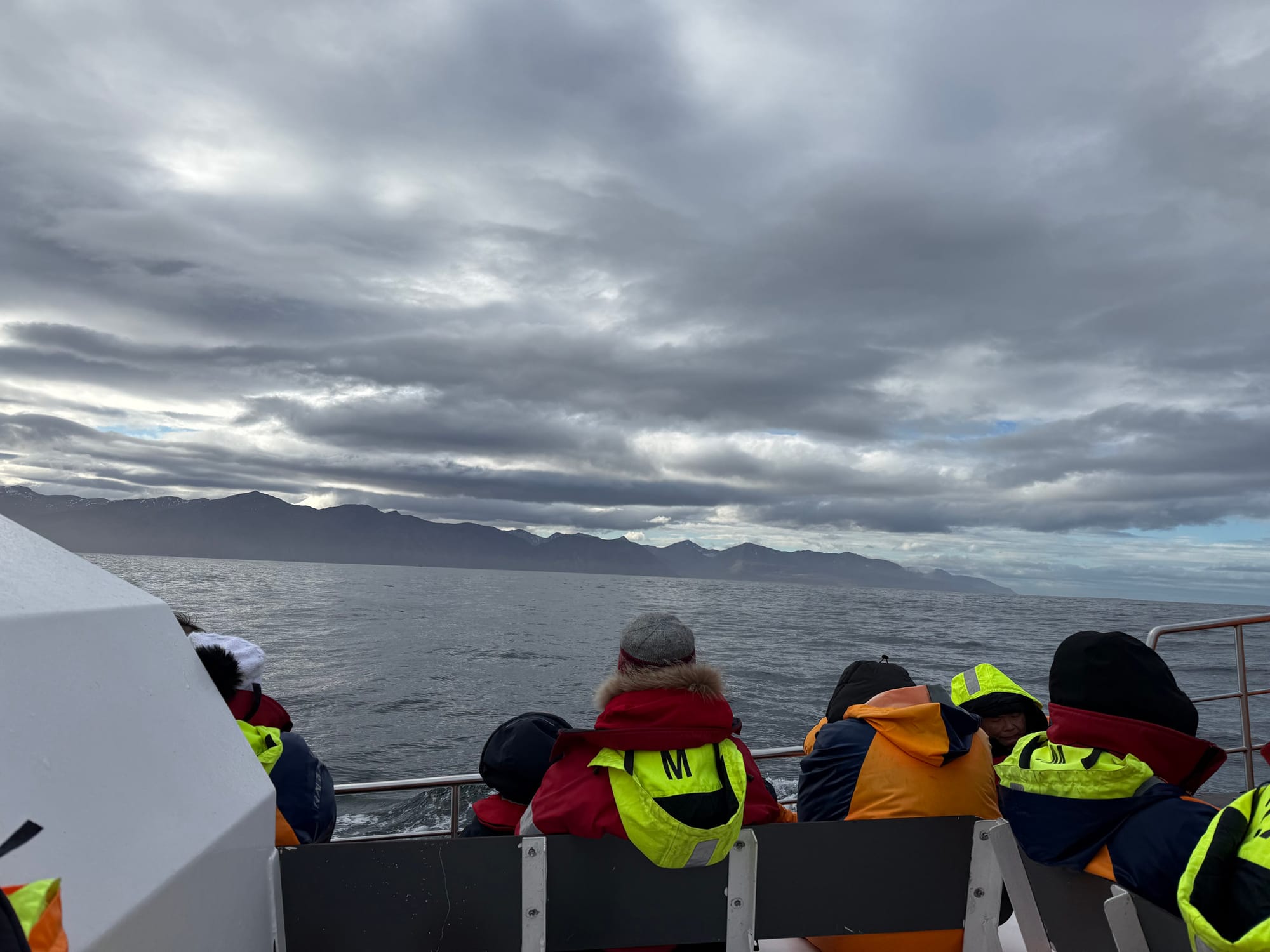
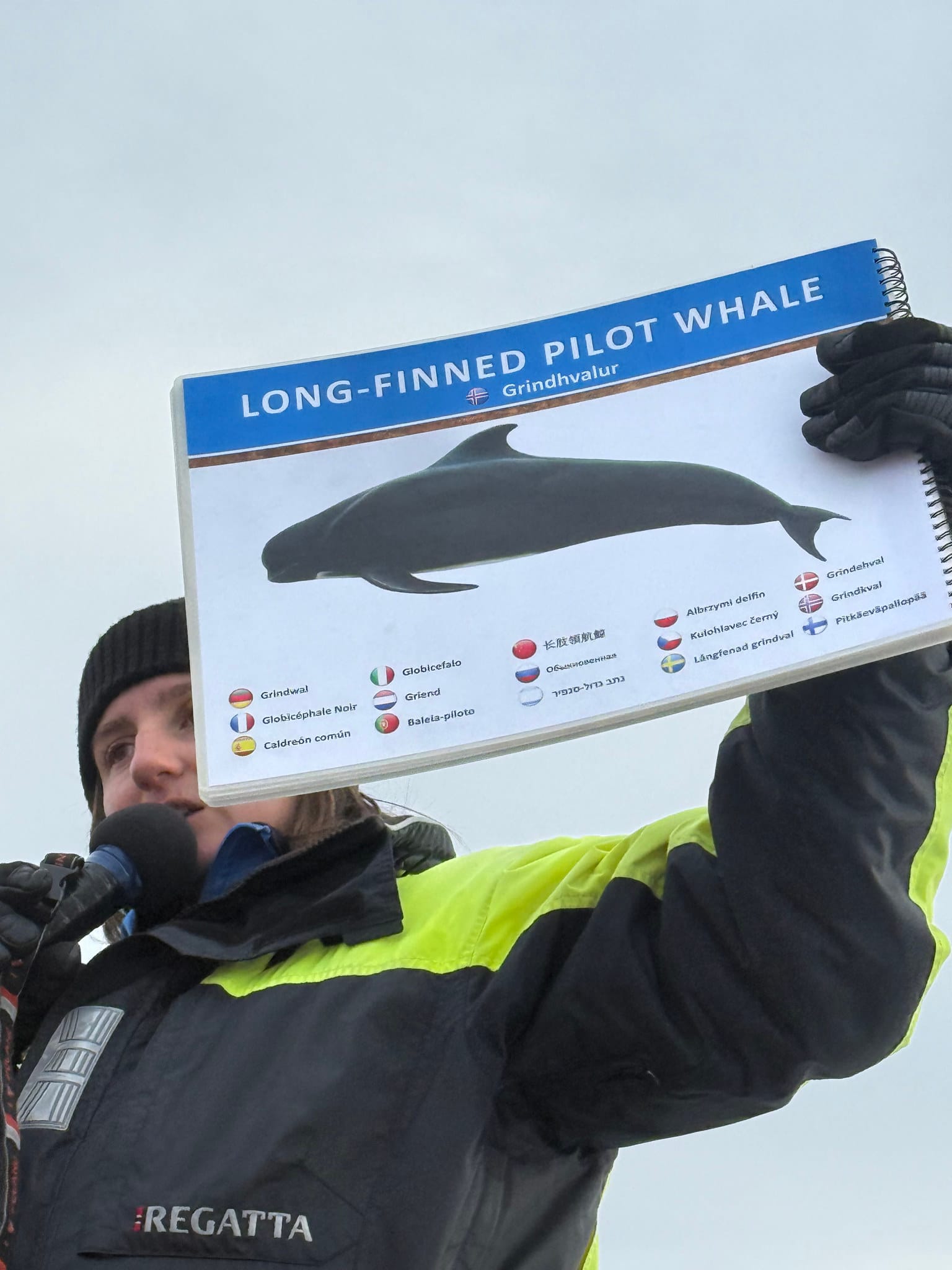
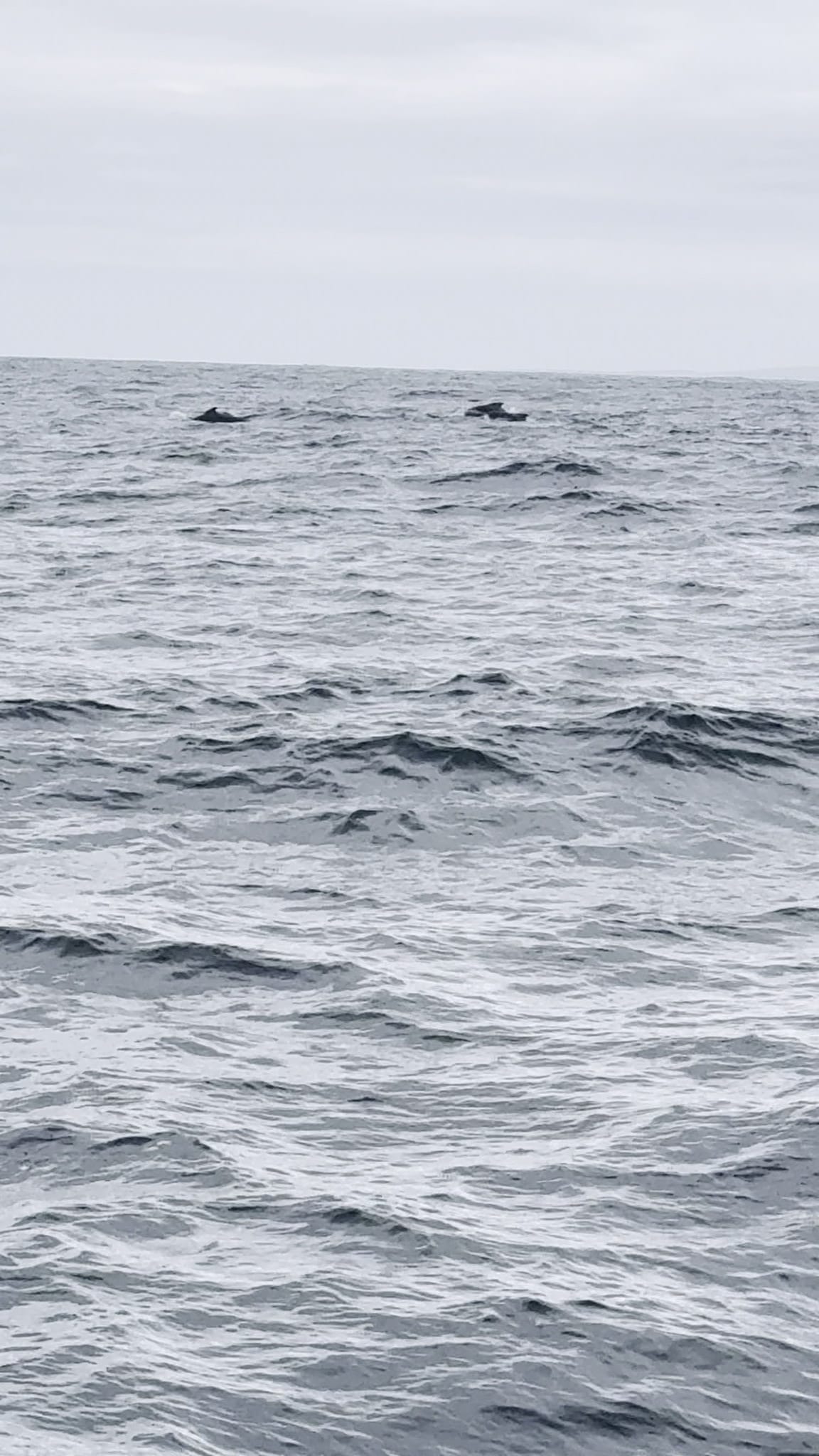
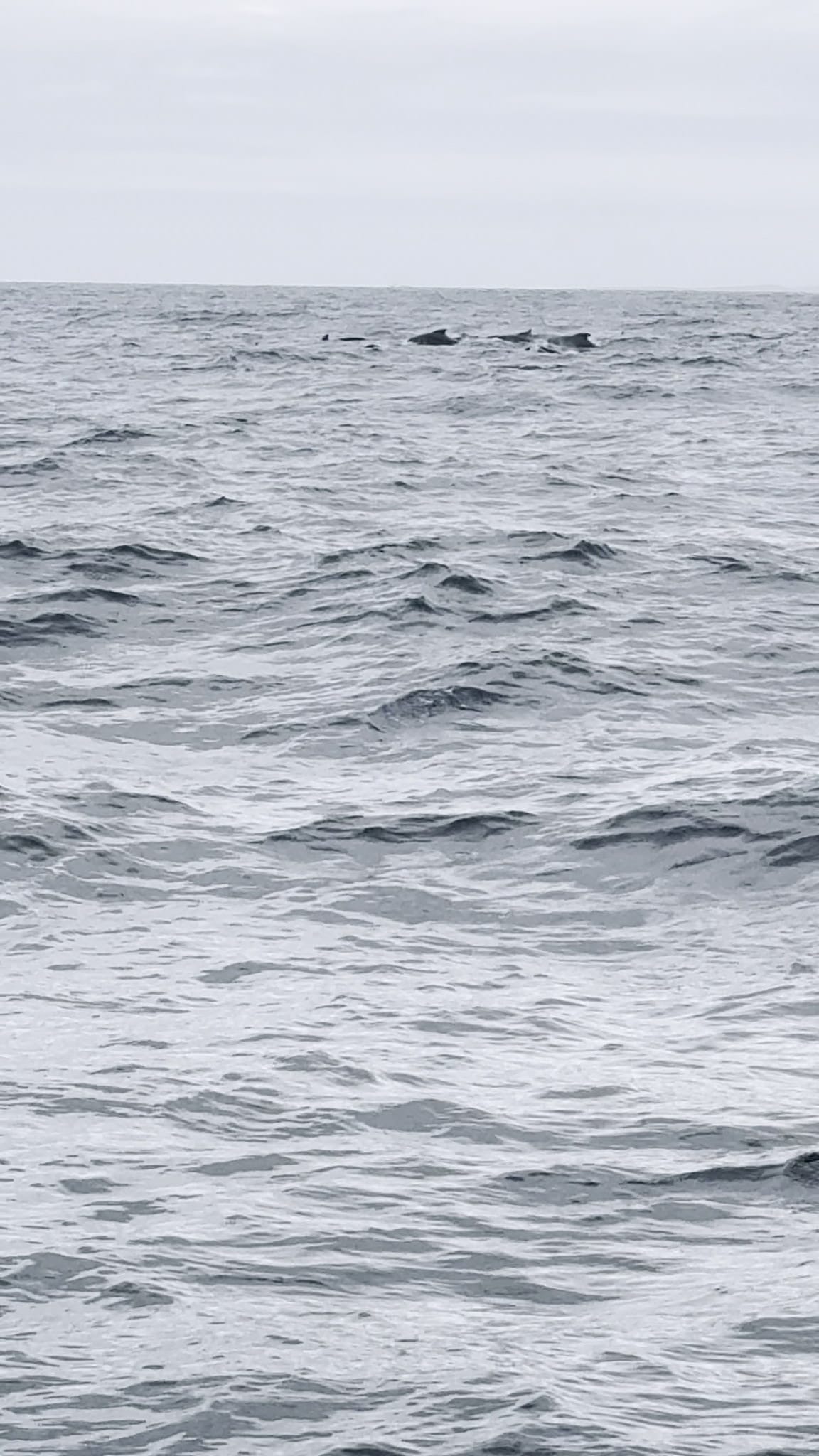
Near the town of Húsavík you can see whales in the wild. I came across a pod of long-finned pilot whales, also called blackfish: they weigh around 800 kg and reach 4 to 8 metres in length, though only a small part shows above the water.
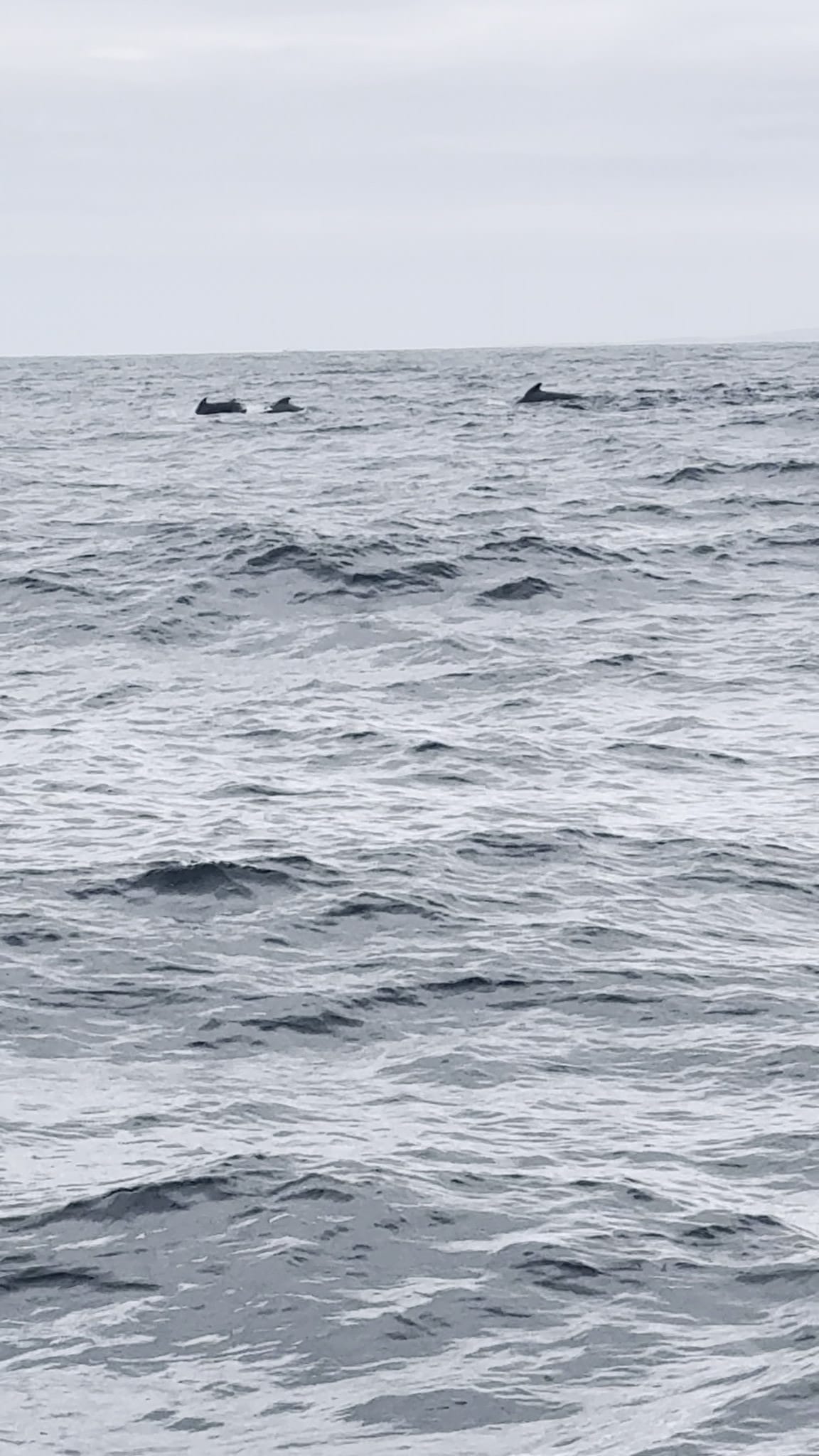
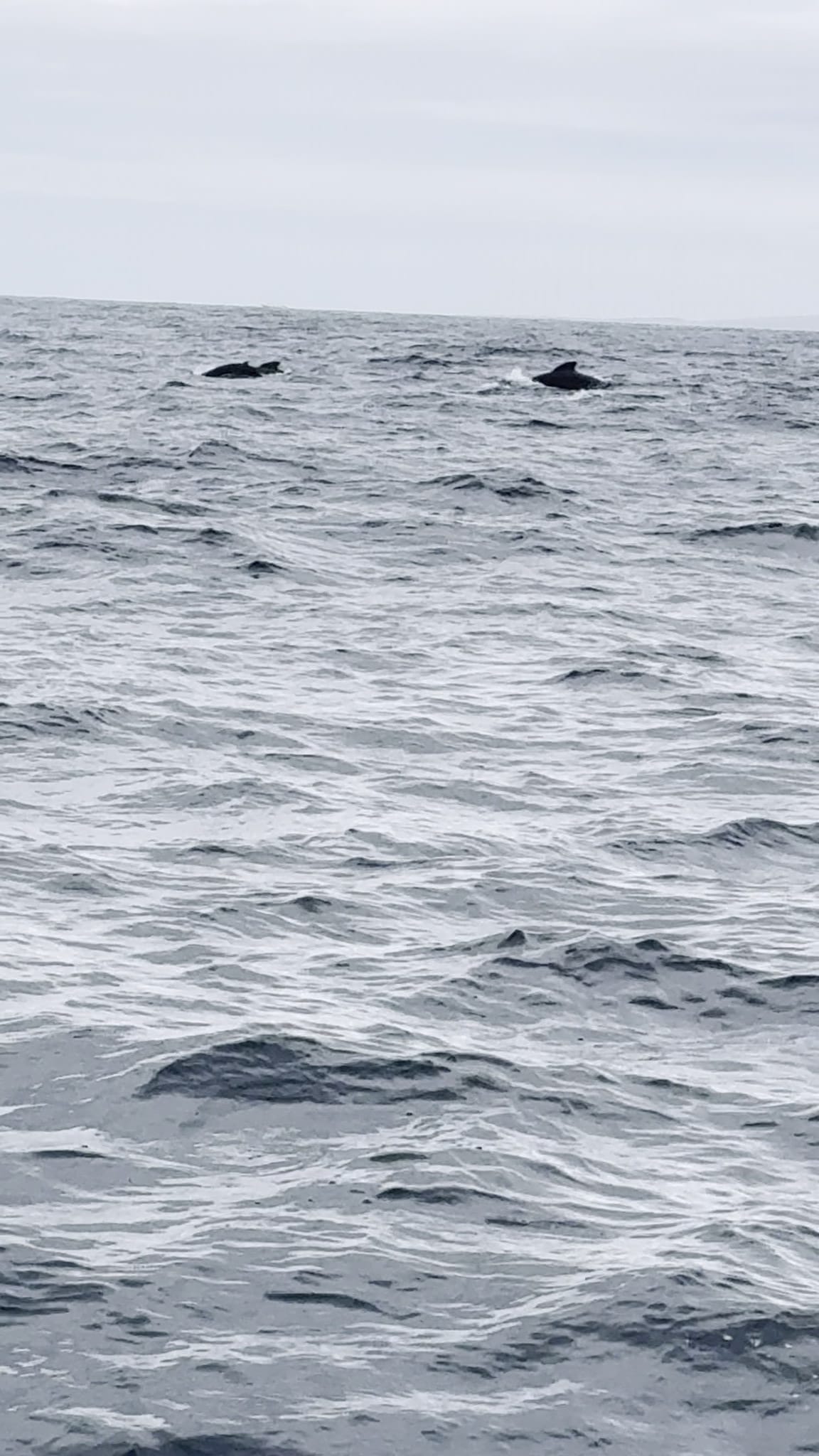
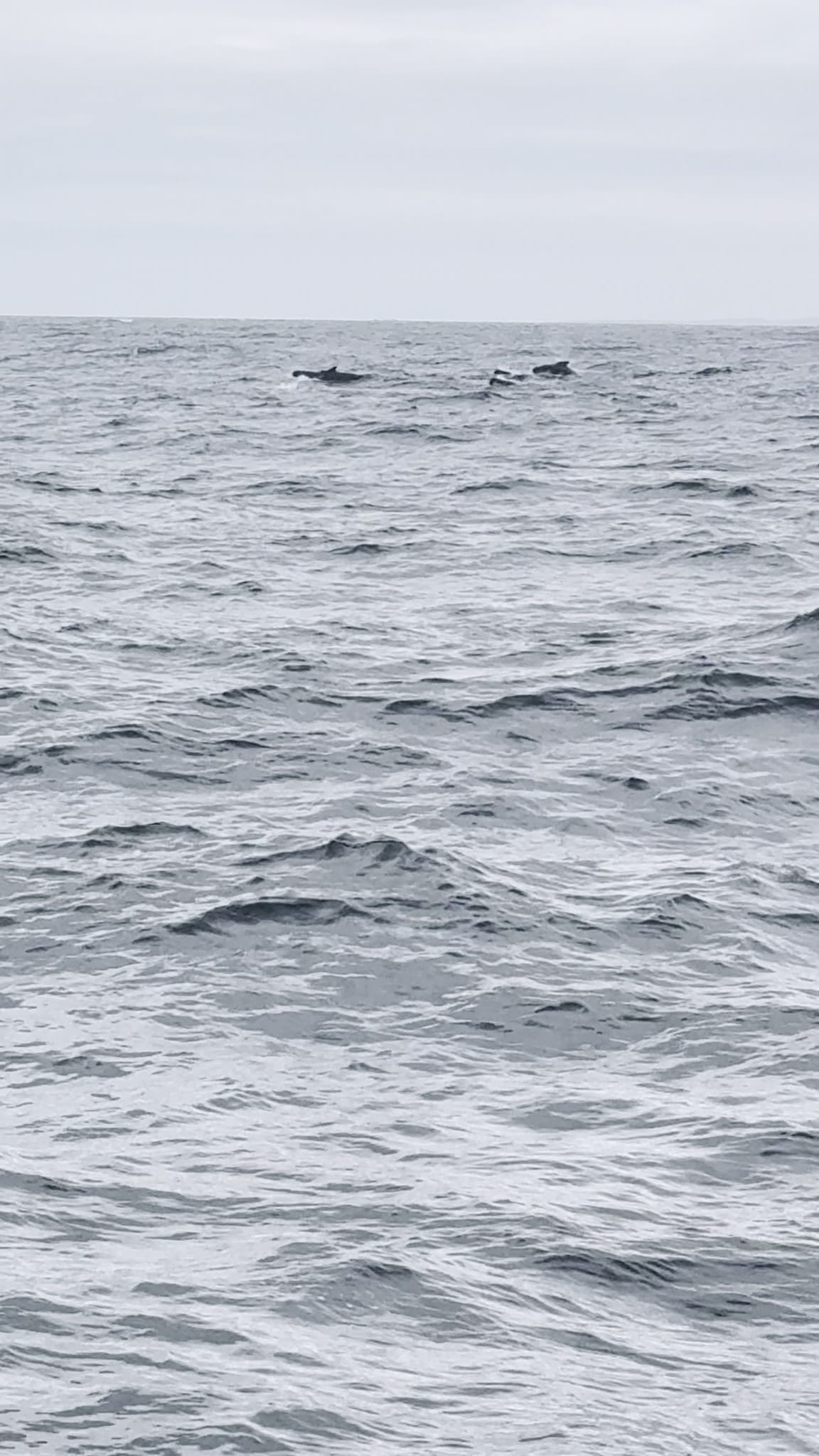
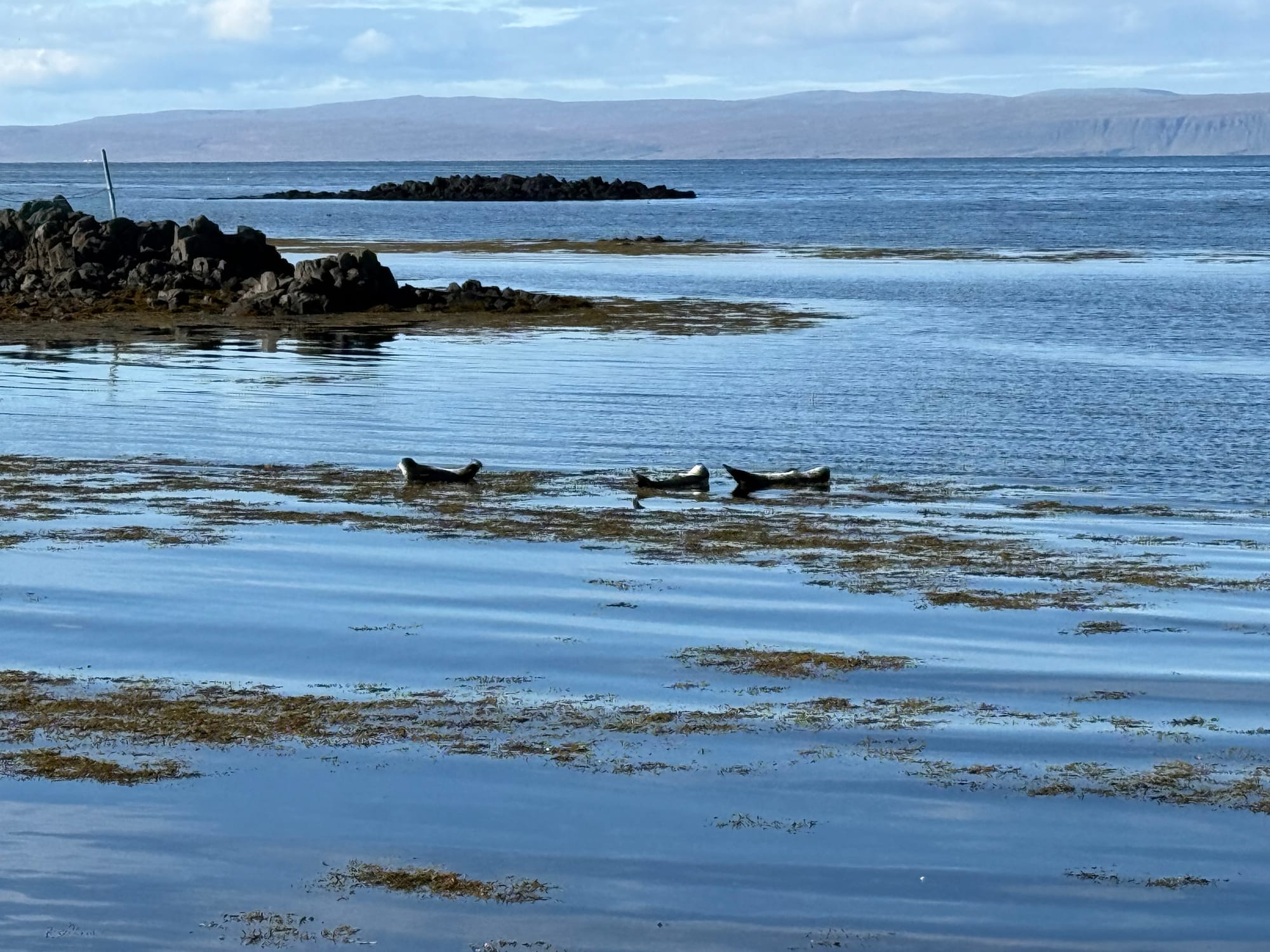
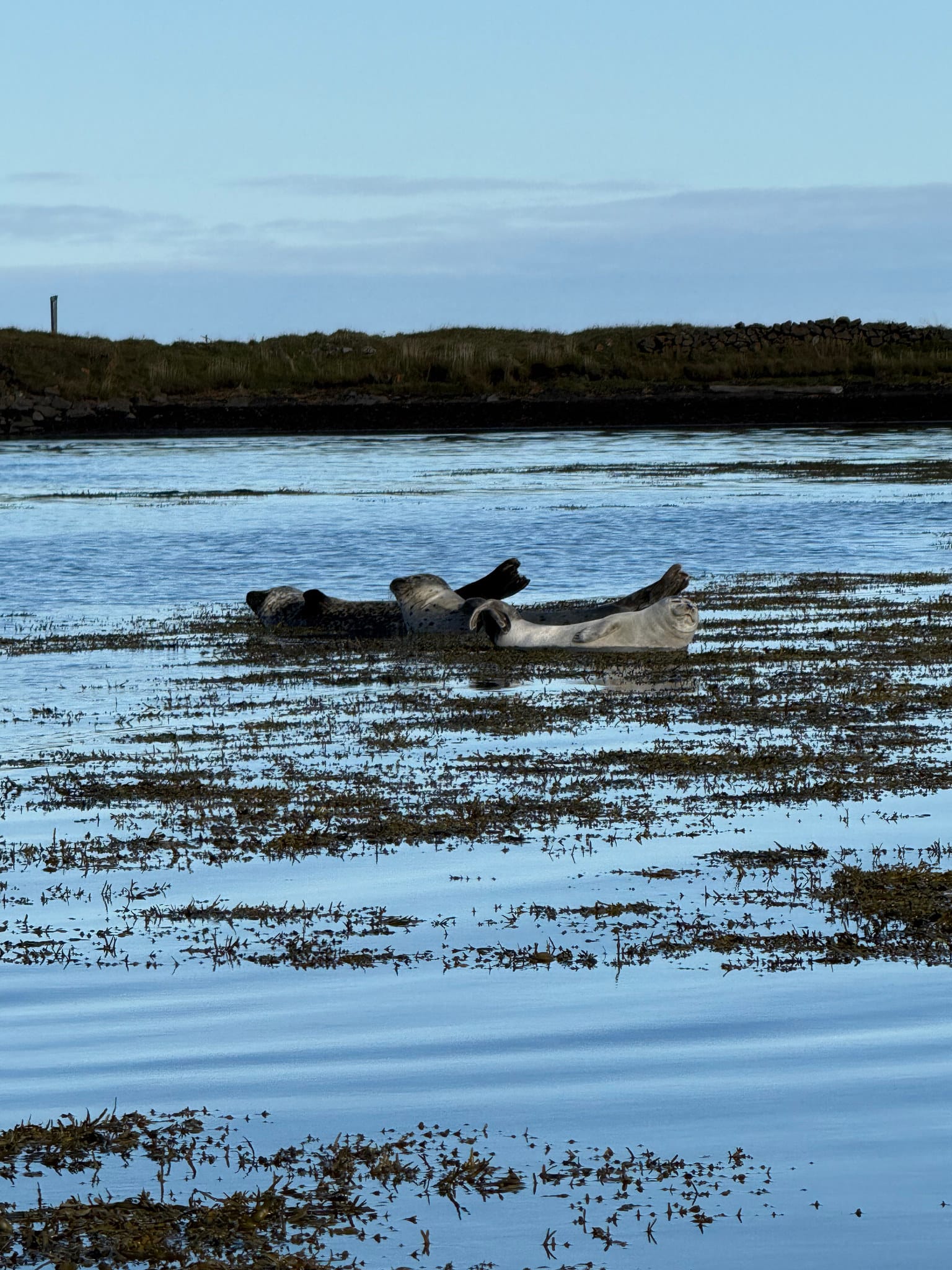
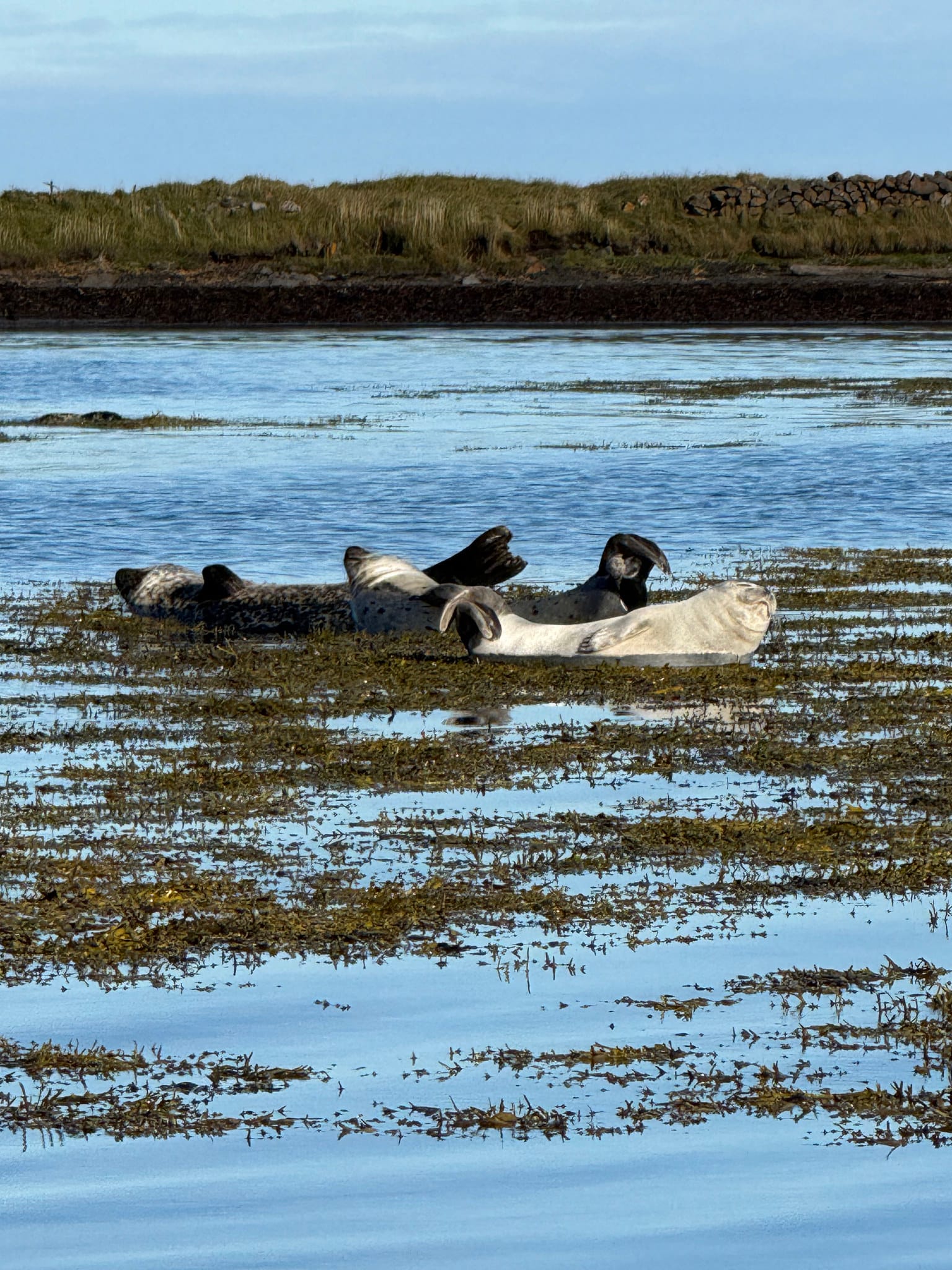
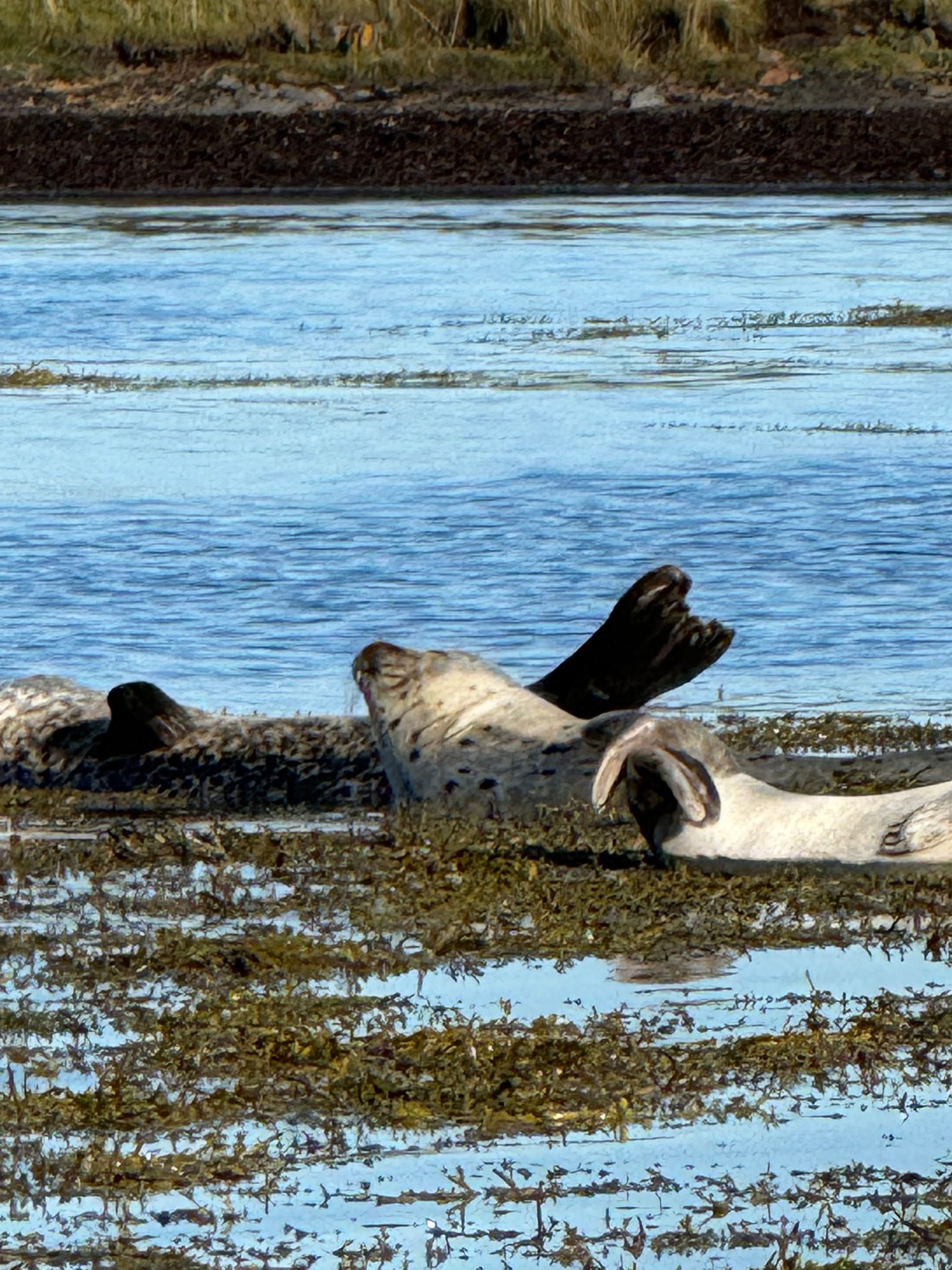
The seals at Hamarsrétt lie on the rocks a couple of dozen metres from the shore.
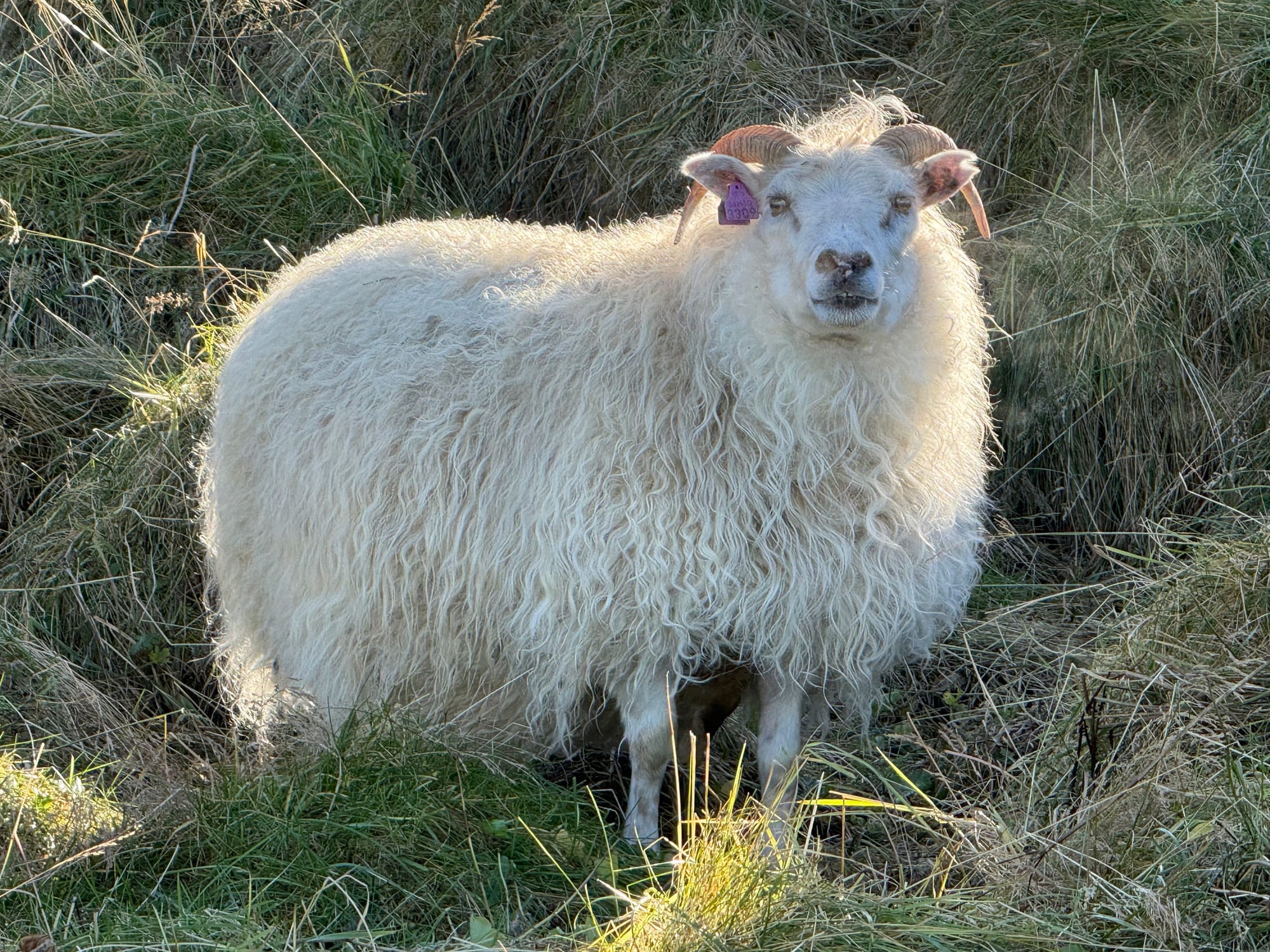
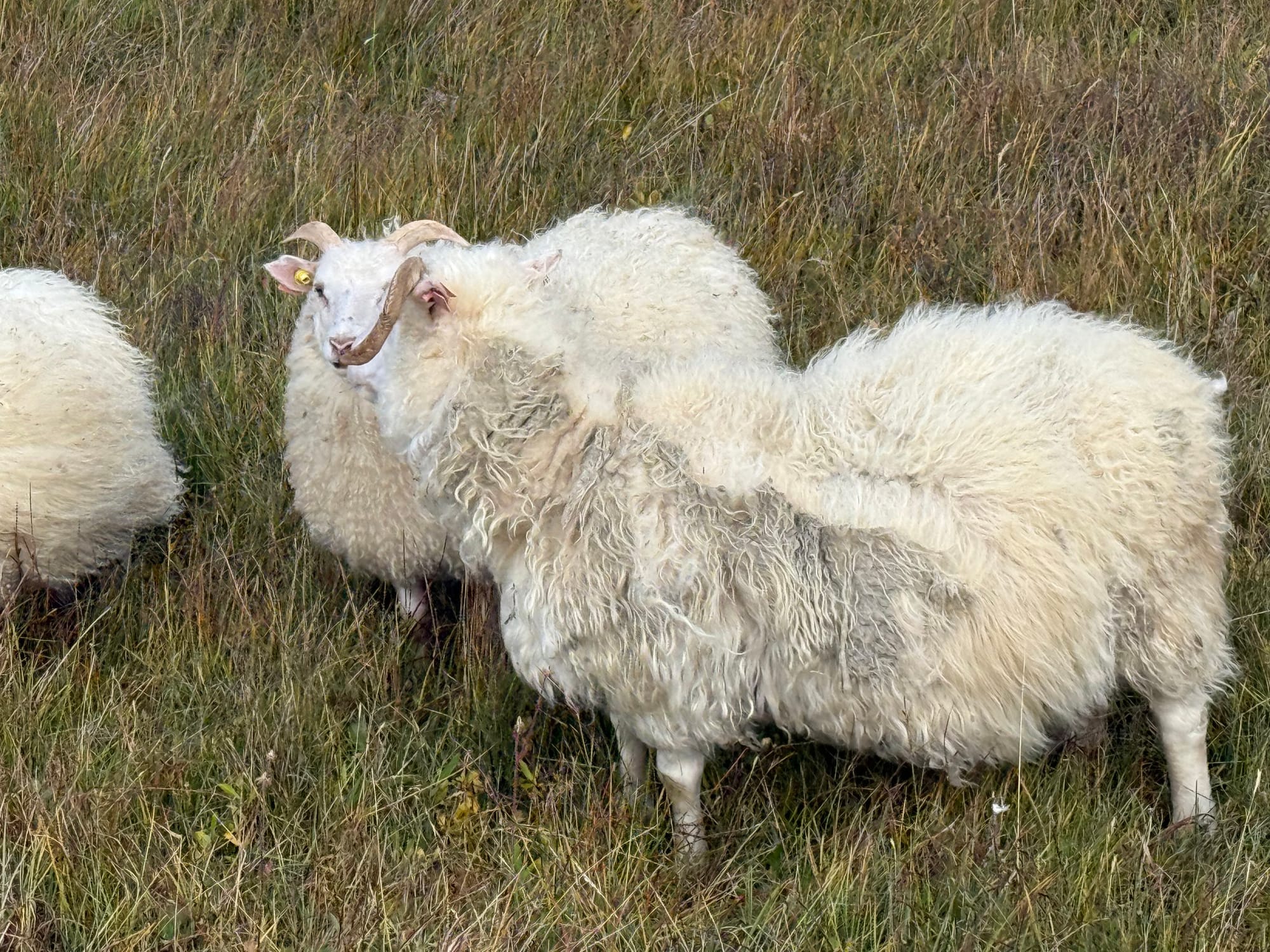
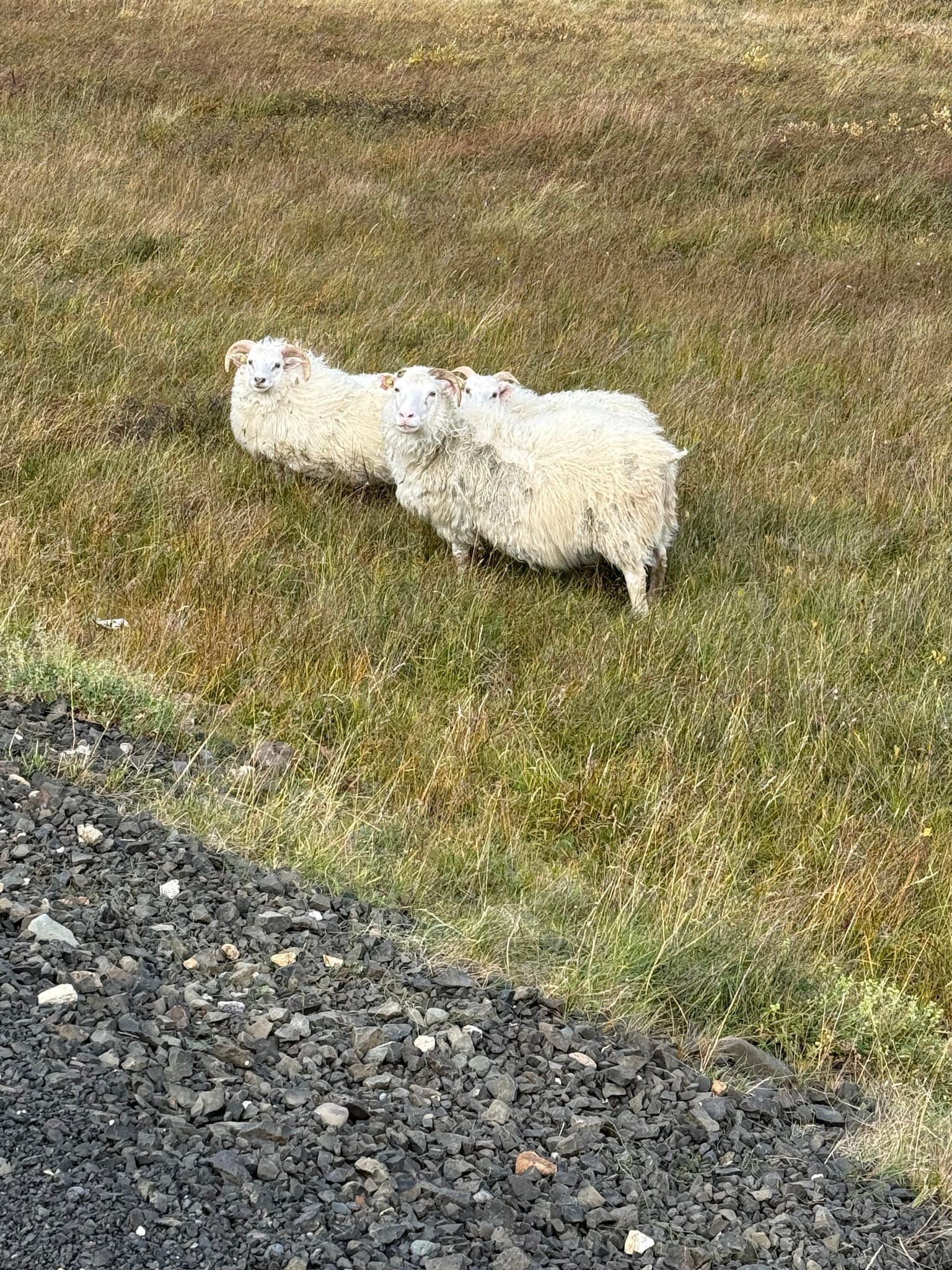
Sheep are everywhere, and their wool counts among the finest in the world.
The Road
Ring Road number 1 is of excellent quality, even if it is single-lane in each direction. At the same time 15–20% of all Icelandic roads are gravel, rough in places: for those and for mountain roads marked F you need a proper 4x4. The speed limit is 90 km/h, and dipped headlights must stay on at all times.
You can drive for a long time in complete solitude. Iceland ranks fourth from the bottom in the world by population density, about 3.5 people per square kilometre, and since more than 60% of Icelanders live in Reykjavík, the rest of the country works out at roughly 1.5. There is almost no infrastructure along the roads, so accommodation, fuel and food need planning in advance. Proper hotels exist only in towns; elsewhere you get simple one-night hostels, and you can spend the whole stay without meeting a single member of staff.
The country is remarkably digitalised for all that. Cards work everywhere (including cards issued in Belarus), car parks at the sights are monitored by cameras, and you can pay within 24 hours through an app. Crime is practically non-existent; I did not see a single police officer.
Numbers Instead of Souvenirs
Compared with Belarus, Iceland is not only half the size by area but 23.5 times smaller by population: it has about as many people as Grodno, one regional capital back home. Its GDP per capita at purchasing power parity, however, is 2.26 times higher than the Belarusian one. The main income comes from fishing (around 50%), tourism and the aluminium industry, which needs a lot of energy. Energy is not a problem here: first place in the world in electricity generation per person, all of it from hydro and geothermal sources, nothing nuclear, solar or wind-driven, even though the wind occasionally knocks you off your feet.
When to Go
Tourism and prices peak in August, when Iceland receives roughly as many visitors as it has residents. In September the flow halves, and by December it drops to a third of the population. I went in September and did not regret it: the roads are emptier, and all the beauty stays put.
Would I recommend the full ring road rather than day trips out of Reykjavík? Without any doubt. Nine days are enough to see the country and not nearly enough to get over it.
On the map: Bridge Between Continents · Gunnuhver · Strokkur · Blue Lagoon · Dettifoss · Husavik · seals at Hamarsrétt